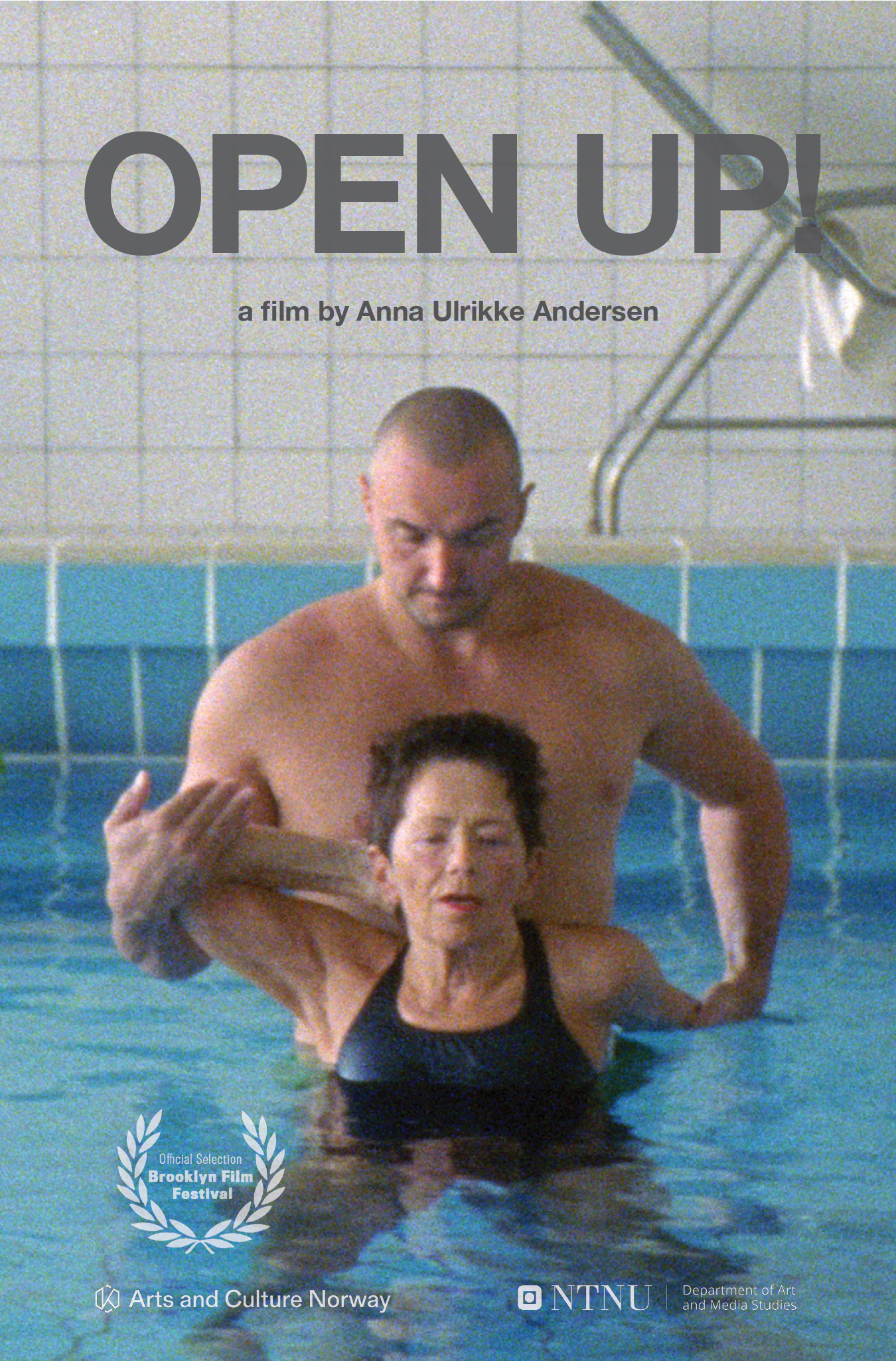
OPEN UP!

09:52, 16mm, 2024.

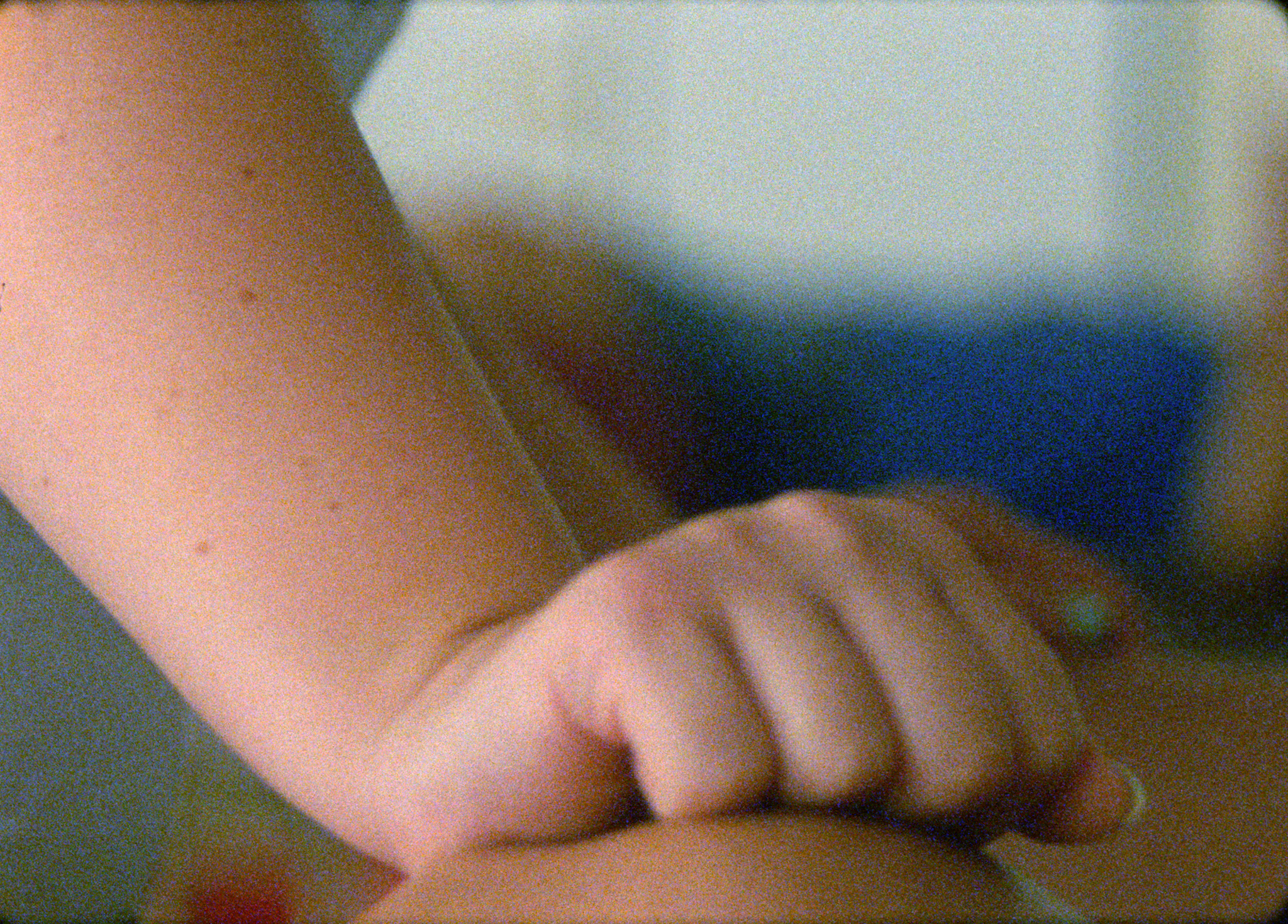
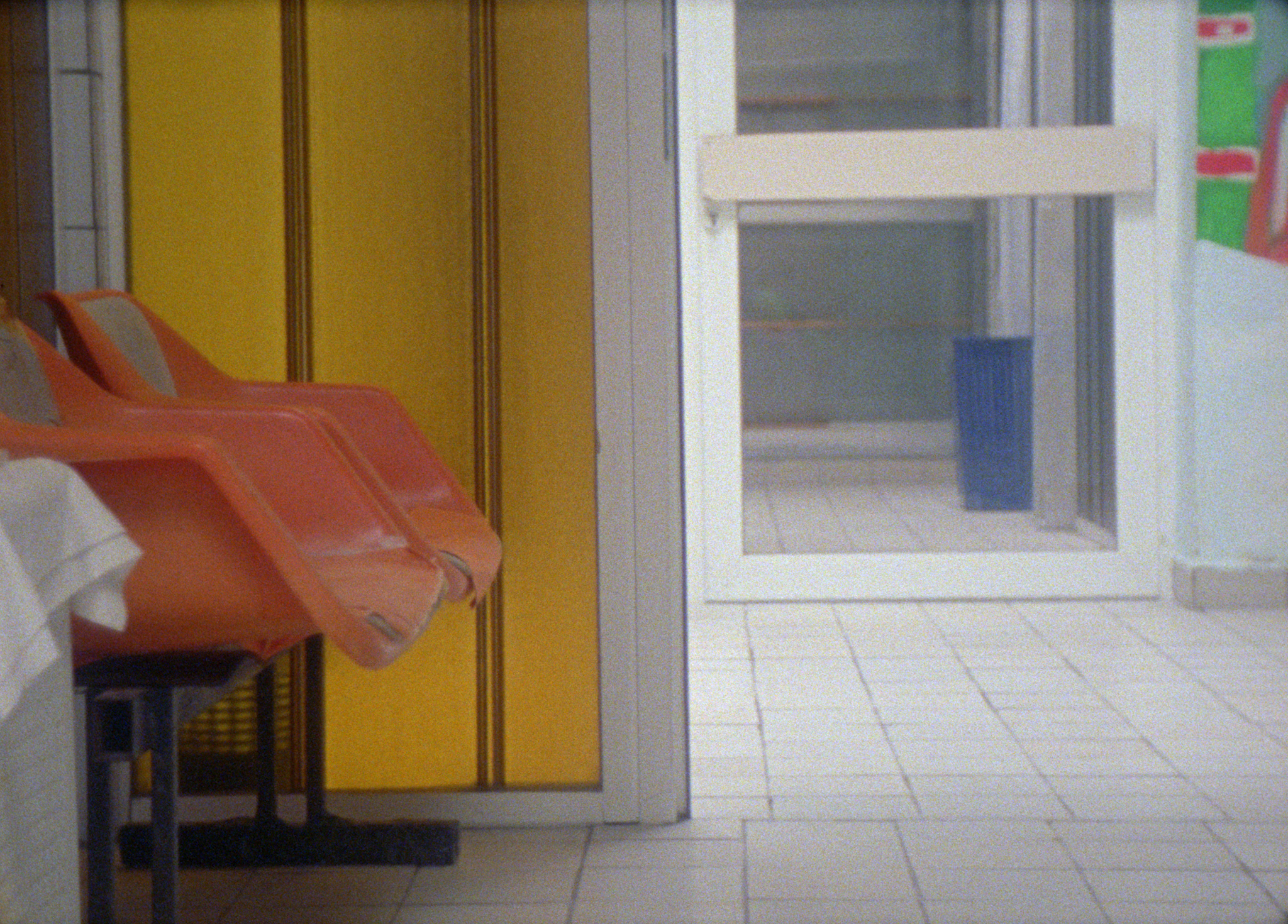
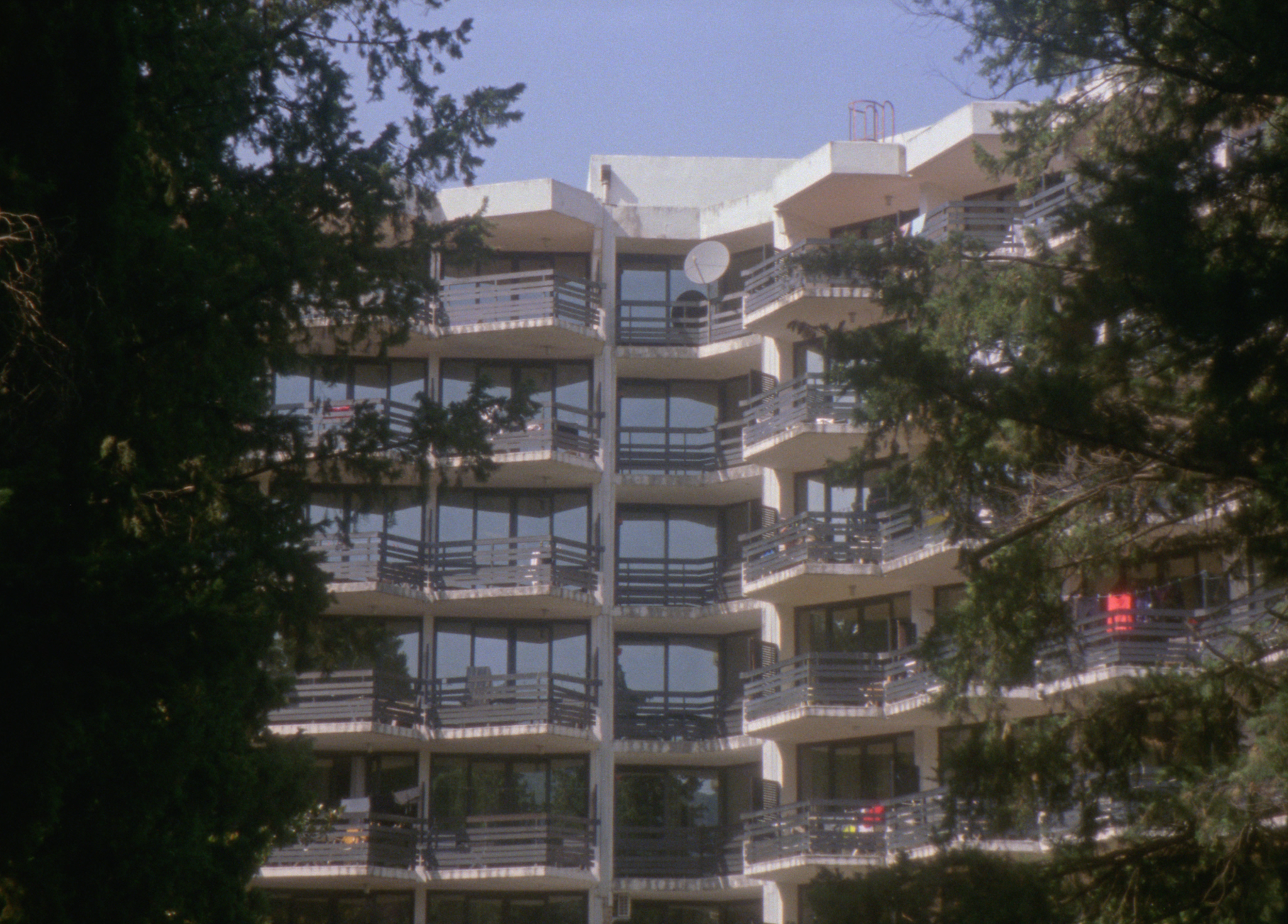
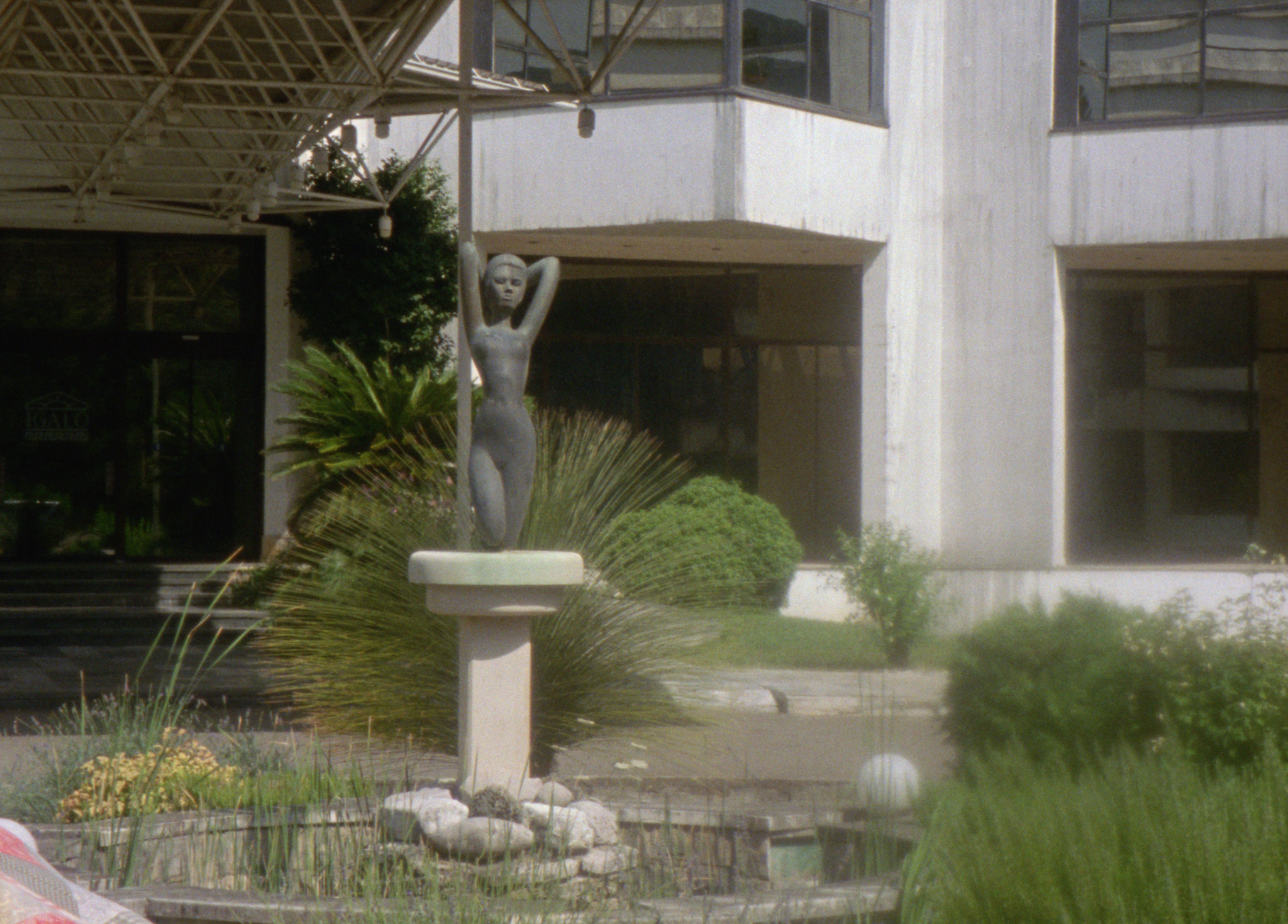
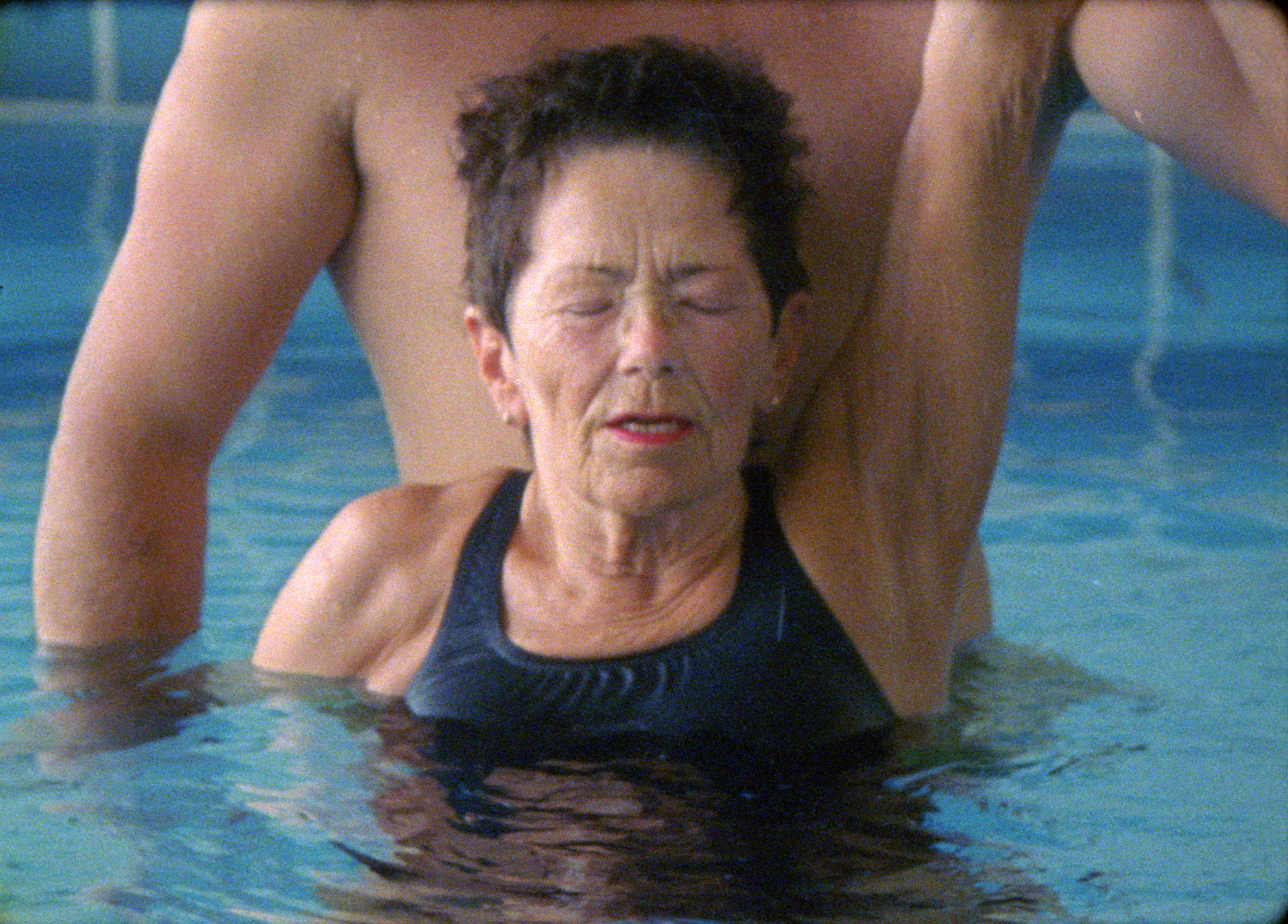
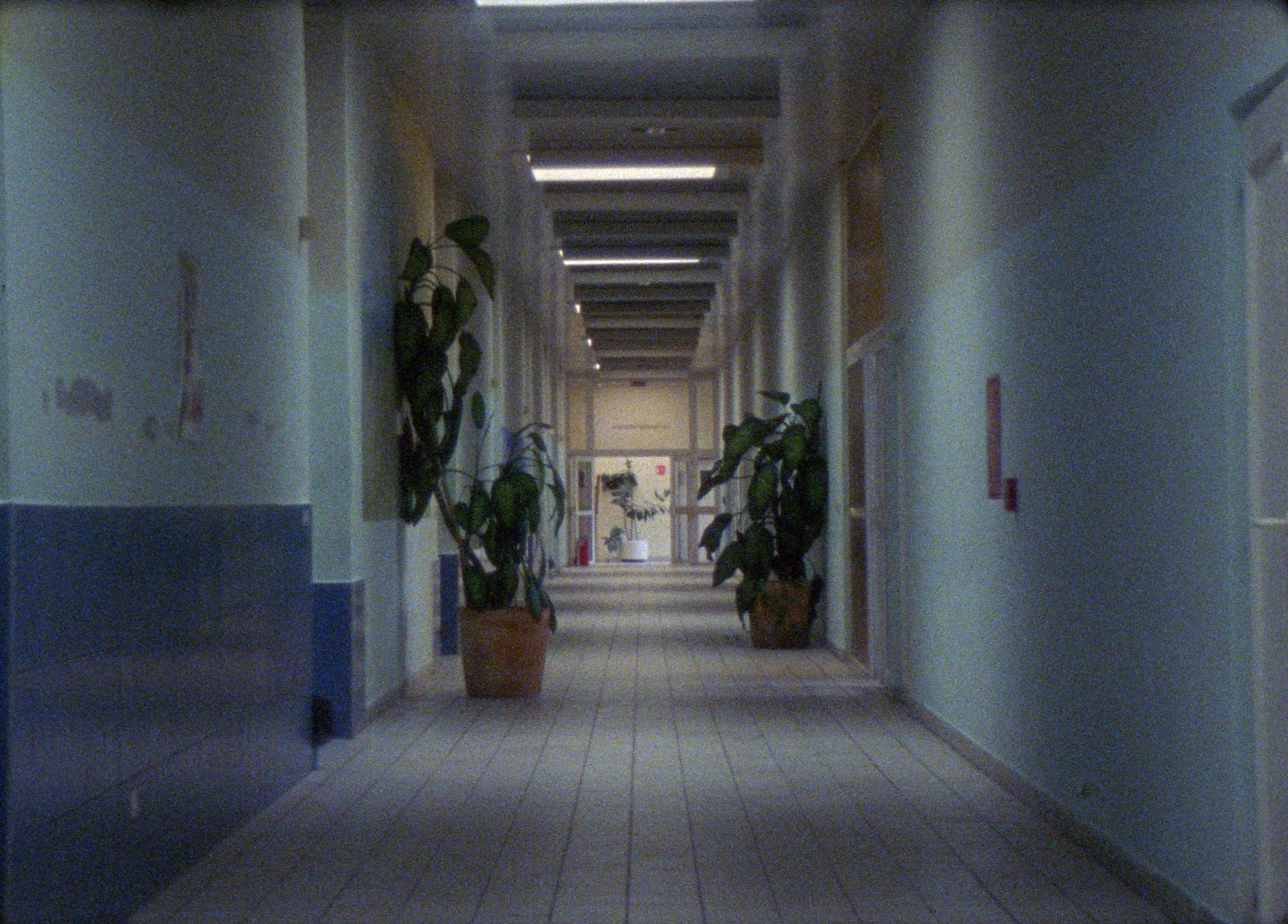
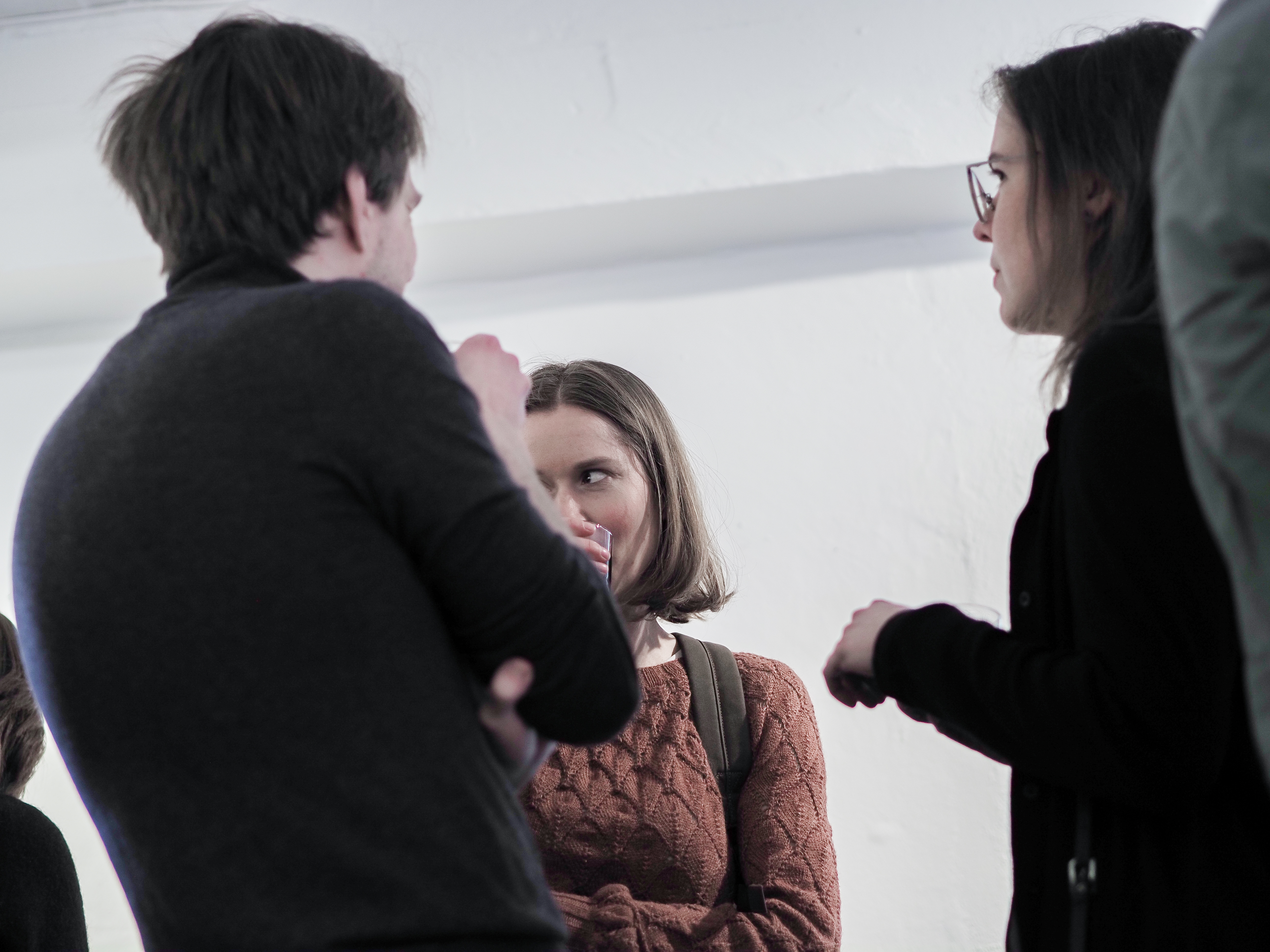
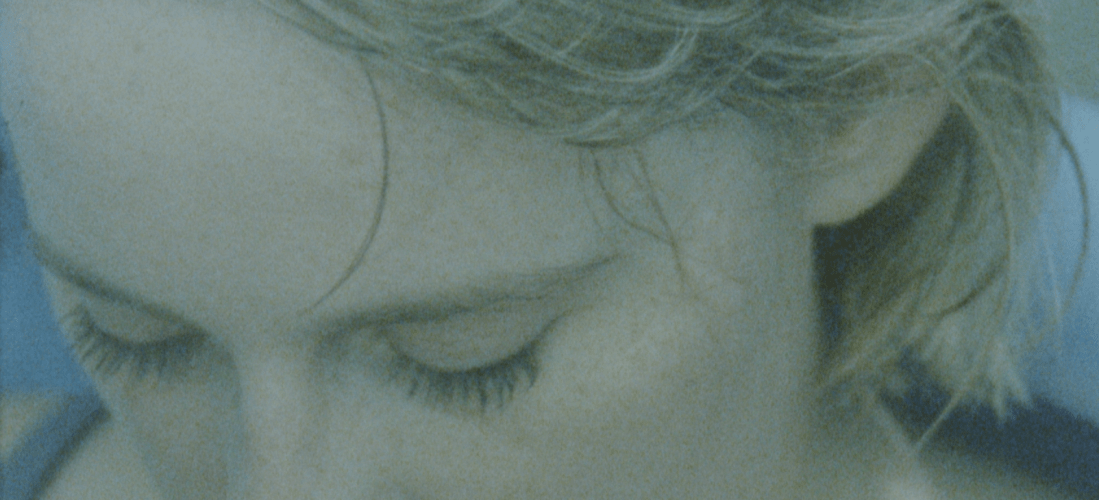
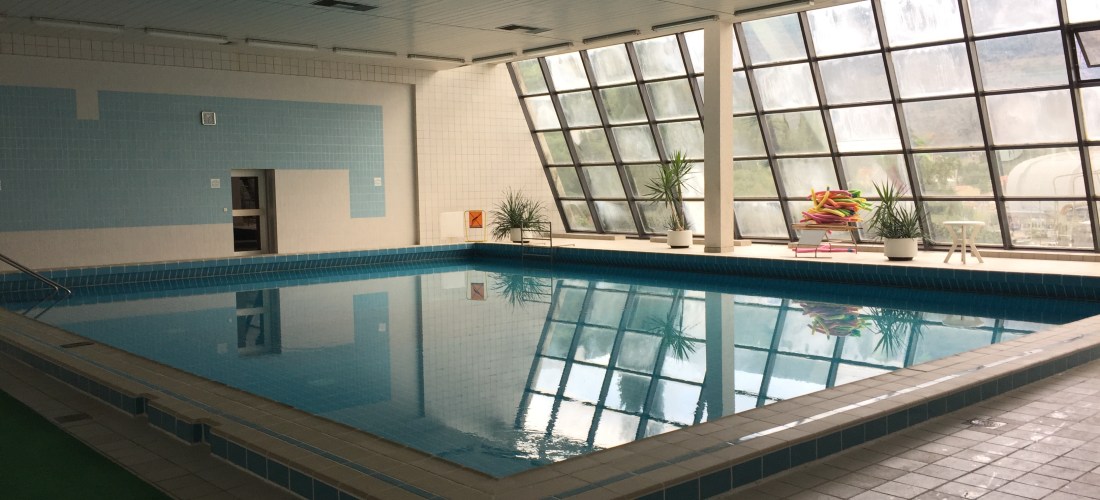
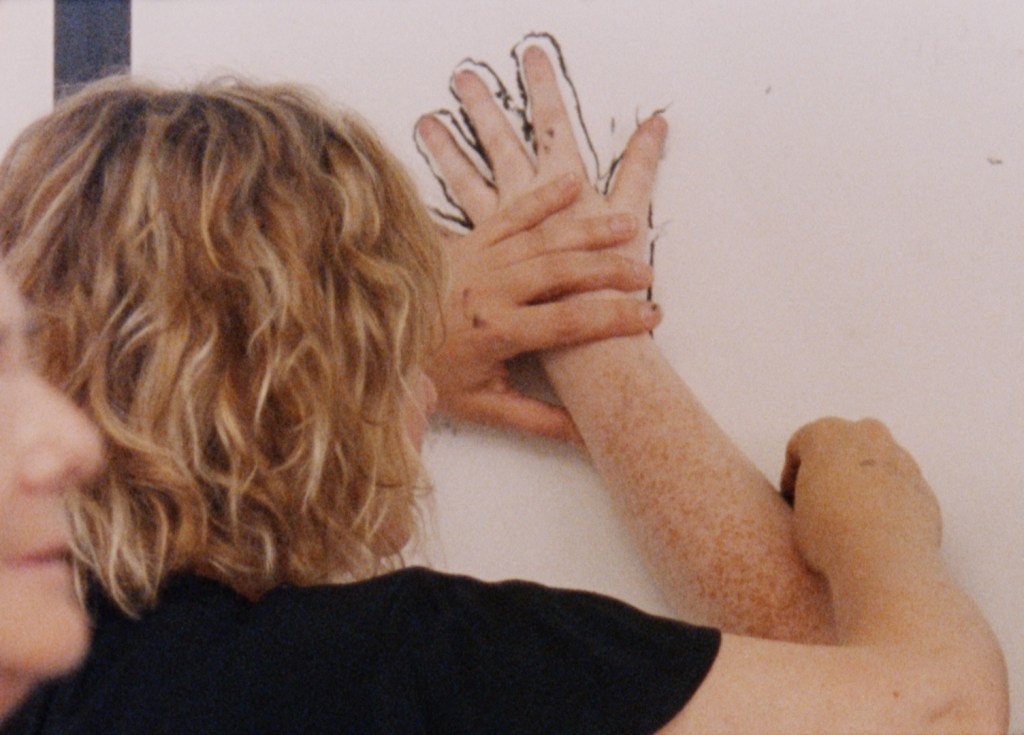
What does being in treatment do to our chronically ill bodies? The Norwegian government has been sending patients with rheumatism to treatment in Montenegro since 1976. This film follows a group of patients, zooming in on their experience from Institut ”Dr. Simo Milošević” Igalo in 2023, and the programme, as the buildings where treatment is taking place, are facing challenges.

The project was funded by the Norwegian Arts Council and the Institute of Art and Media Studies, The Norwegian University of Science and Technology.

A special thanks to
Darko Zejak
Nikola Mračević
Tamara Tomić
Božidar Janičić
Olivera Djuratović
Staff at Institute Dr. Simo Milošević JSC Igalo

Oddbjørg Holten
Bjørn Karlengen
Hilde Kleven
Jostein Mikaelsen
Kjell Asperud
Liv Grove
Thomas Tveit
Stein Roger Andresen
Anne Silje Bø
Tone, Hilde, Heidi, Ronny,
group 122 and 123, 2023
Statens behandlingsreiser
Oslo Universitetsykehus

Colleagues at IKM, NTNU.

Colour by Paul Dean
Processing by CineLab

With the support from
The Norwegian Arts Council
The Department of Arts and Media Studies
The Norwegian University of Science and Technology

Samtykke arkitektur og kronisk sykdom

Vil du delta i forskningsprosjektet  ”An Architecture of Chronic Illness”

Dette er et spørsmål til deg om å delta i et forskningsprosjekt hvor formålet er å undersøke hvordan mennesker med kronisk sykdom opplever sted og rom. I dette skrivet gir vi deg informasjon om målene for prosjektet og hva deltakelse vil innebære for deg. 

Formål 

Prosjektet tar utgangspunkt i utvalgte bygg som huser terapibasseng, og spør hvordan mennesker med kronisk, revmatisk sykdom opplever, snakker og tenker om disse bassengene. Norge har side 1970tallet sendt pasienter med revmatisme til behandlingsreiser i utlandet, deriblant Igalo Montenegro, og terapibasseng i hjemkommunen hjelper mange i hverdagen. Gjennom intervju, deltakende workshop, film og lydopptak, ønsker prosjektet å få frem pasientens egen 

arkitekturhistorie. Prosjektet skal resultere i en bok, artikler og kunstverk: film og lyd som skal vises på utstilling, konferanser og publiseres. Eksempler fra prosjektet vil kunne brukes i undervisning. Ved samtykke, vil intervju som legges ut på Norsk folkemuseum sine nettsider minner.no ligge tilgjengelig for andre forskere i fremtiden. Dette er et forskningsprosjekt.  

Hvem er ansvarlig for forskningsprosjektet? 

Anna Ulrikke Andersen ved NTNU er ansvarlig for prosjektet.

Hvorfor får du spørsmål om å delta? 

Andersen er selv revmatiker og har vært pasient på behandlingsreiser til Igalo, Montengro, går til behandling ukentlig i terapibasseng i kommunen og vært frivillig i Norsk revmatikerforbund. Du som har fått dette skrivet har deltatt på informasjonsmøter om prosjektet, og meldt deg til prosjektet.  

Hva innebærer det for deg å delta? 

Hvis du velger å delta i prosjektet vil du kunne delta på forskjellige måter.  

Det vil være mulig å delta på en 2 t workshop. Her vil vi gjennomføre en rekke kreative oppgaver for å lære å utforske rom og sted, og vi snakker sammen om det vi opplevde. Jeg tar lydopptak og notater.  Jeg vil bruke informasjonen fra samtalen og det visuelle materiale i arkitekturhistorien jeg skriver og referere til navn: enten fullt navn eller pseudonym. Her velger du selv.  

Det vil være mulig å delta på et 45 min intervju, hvor vi snakker sammen rundt spesifikke spørsmål. Her vil jeg kunne be deg beskrive stedet og bygninger som du kjenner godt, og gjerne dele fra egen opplevelse. Jeg tar lydopptak og notater. Jeg vil bruke informasjonen fra samtalen i 

arkitekturhistorien jeg skriver og referere til navn: enten fullt navn eller pseudonym. Her velger du selv. Her vil det også være mulig – for de som ønsker det selv – at intervjuene legges ut i sin helhet på nettsiden minner.no i regi av Norsk folkemuseum. 

Som oppfølging vil man kunne motta et engangskamera og en liste motiver jeg ønsker dere fotograferer, både fra Montenegro og hjemkommune. NB! Hvis du avbilder andre, må du innhente samtykke. Dette kan gjøres ved å videresende dette skrivet, eller gi kontaktinfo til Andersen. 

Det vil være relevant å gjøre filmopptak fra behandling. Her vil man kunne være anonym og ikke gjenkjennbar, eller stille opp til et portrett. Du bestemmer selv.  

Det er frivillig å delta 

Det er frivillig å delta i prosjektet. Hvis du velger å delta, kan du når som helst trekke samtykket tilbake uten å oppgi noen grunn. Alle dine personopplysninger vil da bli slettet. Det vil ikke ha noen negative konsekvenser for deg hvis du ikke vil delta eller senere velger å trekke deg.  

Det vil ikke påvirke din behandling ved sykehuset hvis du deltar eller velger å trekke deg. Forskeren vil selv være med på behandling og delta som pasient, men det skal være tydelig hva som er uformelle samtaler og hva som er formelle intervju. Det er materiale fra formelle intervju eller workshop som skal brukes og refereres til i forskningen.  

Ditt personvern – hvordan vi oppbevarer og bruker dine opplysninger 

Vi vil bare bruke opplysningene om deg til formålene vi har fortalt om i dette skrivet. Vi behandler opplysningene konfidensielt og i samsvar med personvernregelverket. Det er prosjektgruppen som har tilgang til materialet. Det kan være relevant for studenter å se på materialet. For å unngå at uvedkommende får tilgang til personopplysning vil navn og kontaktopplysninger lagres separat på en kryptert harddisk og forskningsserver, mens andre notater vil bruke pseudonym. Hvis man ønsker å stå med fullt navn, vil fortsatt kontaktopplysninger lagres separat. Karianne Hansen transkriberer materialet, og følger datahåndtering og taushetserklæring.  

Det er opp til hver enkelt om de ønsker å kunne gjenkjennes i publikasjon, på film eller utstilling. Noen syntes det er hyggelig å bli anerkjent for sitt bidrag, mens andre ønsker å være anonyme. Det vil være mulig å endre mening når som helst i prosessen. Hvis deltakere ønsker at opptak av intervju legges ut på minner.no, vil man selv ha mulighet til å bestemme hvordan man skal navngis, og også her kan man trekke seg når som helst. Det vil kunne publiseres historier og fortellinger av privat karakter – med samtykke.  

Hva skjer med personopplysningene dine når forskningsprosjektet avsluttes? 

Prosjektet vil etter planen august 2027. Intervjuer som ligger ute på norsk folkemuseum sine nettsider minner.no vil kunne ha personopplysninger, hvis deltakere samtykker til dette. Annet materiale vil anonymiseres, ved å bruke pseudonym på enkeltpersoner. Dette vil kunne brukes i videre forskning. Dette er hovedsakelig fordi deltakere i prosjektet selv ønsker å være en del av prosjektet i fremtiden, og med tanke på at minner.no er en plattform som vil eksistere utover 2026. Andersen vil lagre den anonymiserte informasjonen og liste på en kryptert harddisk. Her kan studenter og andre forskere få tilgang. 

Hva gir oss rett til å behandle personopplysninger om deg? Vi behandler opplysninger om deg basert på ditt samtykke. 

På oppdrag fra NTNU har Sikt – Kunnskapssektorens tjenesteleverandør vurdert at behandlingen av personopplysninger i dette prosjektet er i samsvar med personvernregelverket.  

Dine rettigheter 

Så lenge du kan identifiseres i datamaterialet, har du rett til:

innsyn i hvilke opplysninger vi behandler om deg, og å få utlevert en kopi av opplysningene

å få rettet opplysninger om deg som er feil eller misvisende  

å få slettet personopplysninger om deg  

å sende klage til Datatilsynet om behandlingen av dine personopplysninger

Hvis du har spørsmål til studien, eller ønsker å vite mer om eller benytte deg av dine rettigheter, ta kontakt med: 

Anna Ulrikke Andersen, NTNU, anna.u.andersen@ntnu.no  47 73 59 23 74

Vårt personvernombud: Thomas Helgesen, NTNU, https://www.ntnu.no/ansatte/thomas.helgesen  

Hvis du har spørsmål knyttet til vurderingen som er gjort av personverntjenestene fra Sikt, kan du ta kontakt via:  Epost: personverntjenester@sikt.no eller telefon: 73 98 40 40. 

Med vennlig hilsen 

Prosjektansvarlig                                             

Anna Ulrikke Andersen
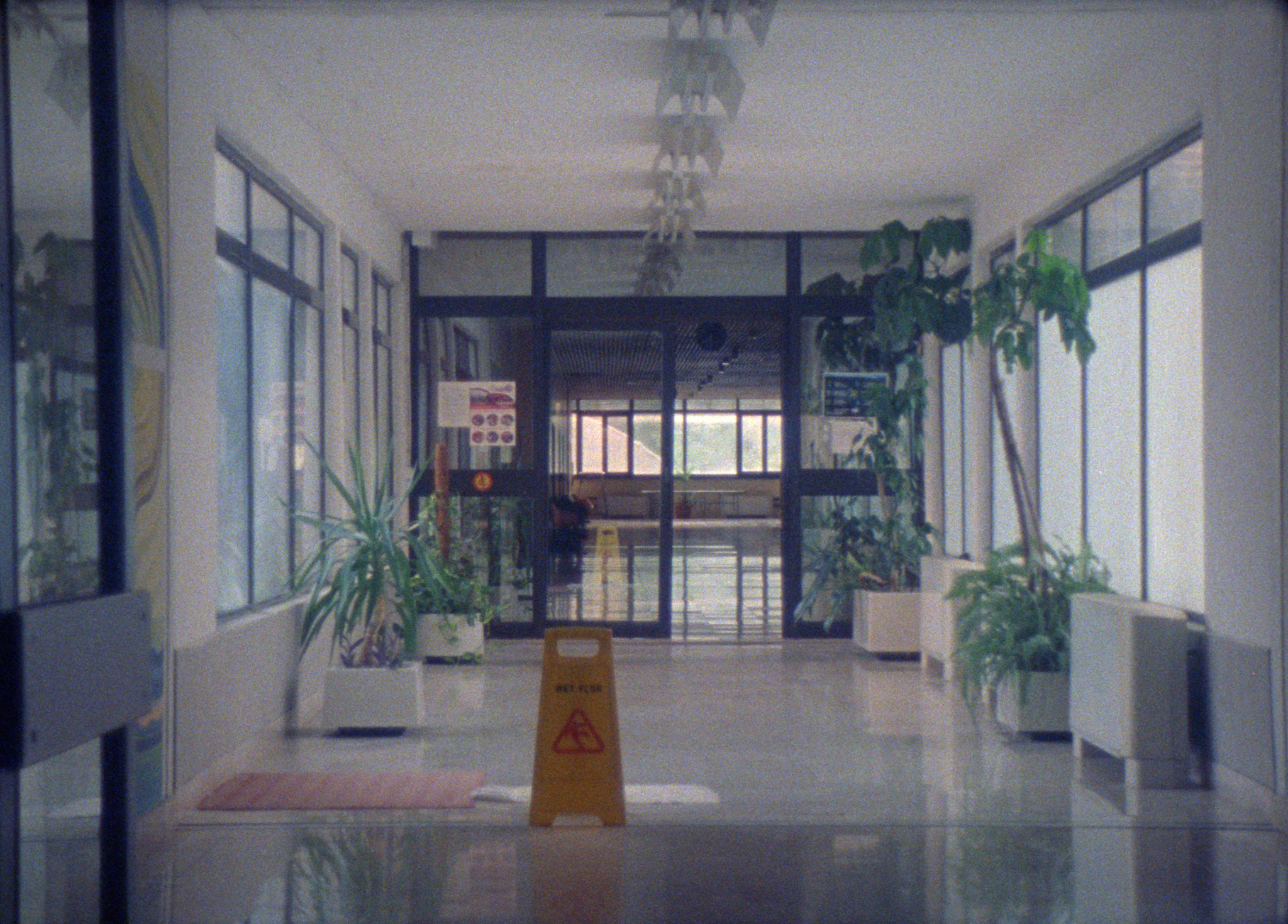
Relining

This film follows the renewal process of the waste-water plumbing system, called relining, in a high-rise block of flats in central Oslo. Capturing the intense work conducted by workers on site, the original rusty  pipes from 1964 is relined and renewed for years to come. Showing what lies beyond walls and under the ground, RELINING captures the process of preventative rehabilitation of hidden city infrastuctures.  

Produced by the Disobedient Buildings Project, the University of Oxford. 

TRAILER

Featuring
TT-Teknikk and Enerhaugen Borettslag, Kamil Zalas, Lukasz Holda, Tomasz Holda and Carlos Alfredo Gomez Gonzales

Produced by
the Disobedient Buildings Project, Institute of Social and Cultural Anthropology, University of Oxford

Creative Consultant
Jane Devoy

Executive Producer/ Research Lead
Inge Daniels

Graphic Design
Charlotte Linton

Special thanks to:
Gabriela Nicolescu, Rune Berge, Jon Ove Lie, Kjetil Ellinghaugen, Øystein Røkke, Anne Silje Bø and Katja van Etten Jarem

Funded by the Arts and Humanities Research Council UK

Cüirtopia: Soft Crash HERE

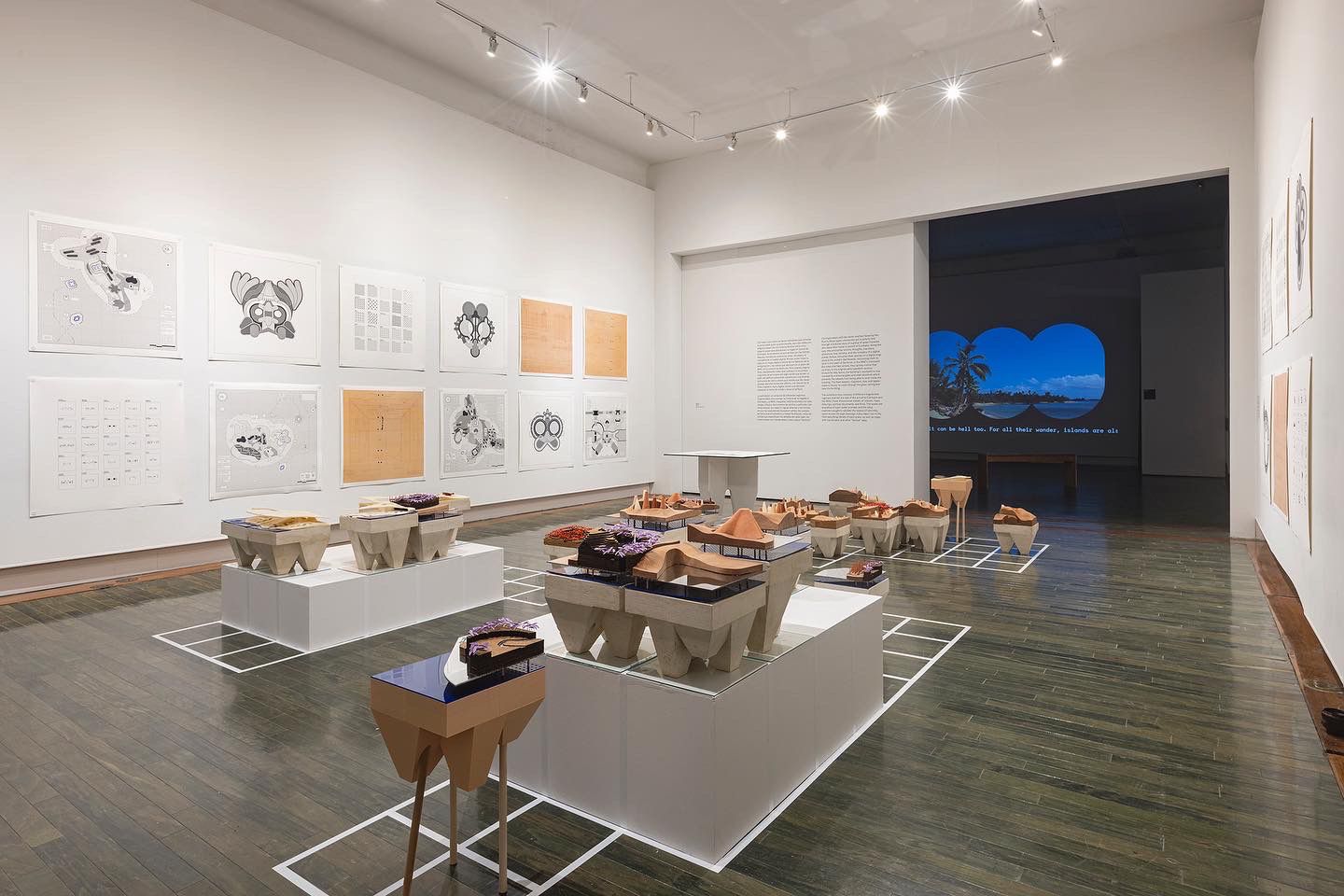
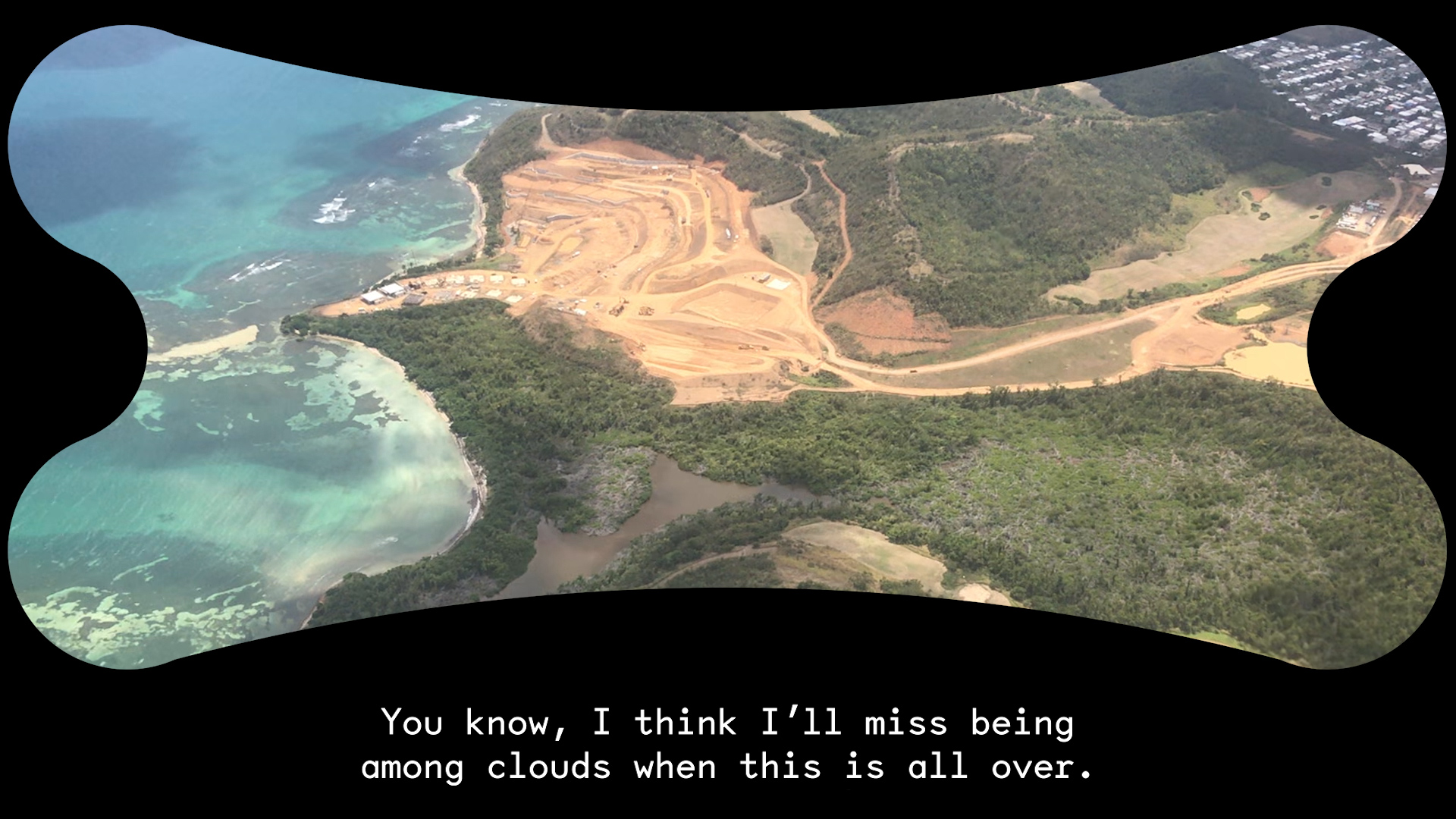
HERE [Prologue] and HERE [Epilogue] are two films made by Regner Ramos and Anna Ulrikke Andersen for the exhibition Cüirtopia: Soft Crash at the Museum of Contemporary Art San Juan, Puerto Rico, March – August 2022.

HERE [Prologue] (2022, HDV, 6:00) by Regner Ramos and Anna Ulrikke Andersen, follows three characters in search of cuirtopia navigating their way into the museum, eventually soft crashing through a pane of glass.

HERE [Epilogue] (16:00, HDV/16mm, 2022) by Regner Ramos and Anna Ulrikke Andersen, is a meditation on the key topics that the exhibition tackles, where the paradise islands sweeps in and out of sight, while Ramos’ narrative text opens up for dialogue with the viewer.

Following Norberg-Schulz [Book]

Following Norberg-Schulz: An Architectural History through the Essay Film (Bloomsbury Visual Culture, 2022) by Anna Ulrikke Andersen.

This book examines the ‘window’ in the life and work of the seminal architectural thinker Christian Norberg-Schulz (1926 – 2000). It draws new attention to his architectural designs and re-examines his acclaimed theoretical work on the phenomenology of architecture and place within the context of a biography of his life, linking him with other historical figures such as Helen Keller and Rainer Maria Rilke, and framing him within the modernist tradition of the latter.

Taking a novel, experimental approach, the book also explores the potential of the essay-film as an innovative new approach to producing architectural history. Bridging archival research and artistic exploration, its ten chapters, written by an architectural historian who is also a film-maker, are each accompanied by a short documentary film, hosted online and linked from within the chapter, which use the medium of film to creatively explore and delve deeper into little-known aspects of Norberg-Schulz’s theory of genius loci and the phenomenology of architecture. The book questions what it means to ‘follow’ those who came before, exploring the positionality of the architectural historian/filmmaker.

Offering an insightful account of the life, work, and theory of a key thinker, Following Norberg-Schulz is also essential reading for those interested in practice-led research methodologies, particularly in the practice of film-making and the essay film, providing a highly innovative example of scholarly research which bridges the text-film gap.

The book was celebrated with two book launch events. The first took place 15 March 2022 at The Bartlett School of Architecture, with Lilian Chee (the National University of Singapore) and Claire Thomsen (UCL Scandinavian Studies) chaired by Jane Rendell (The Bartlett).

Book Launch Following Norberg-Schulz 15 March 2022 at The Bartlett School of Architecture, with Lilian Chee (the National University of Singapore) and Claire Thomsen (UCL Scandinavian Studies) chaired by Jane Rendell (The Bartlett).

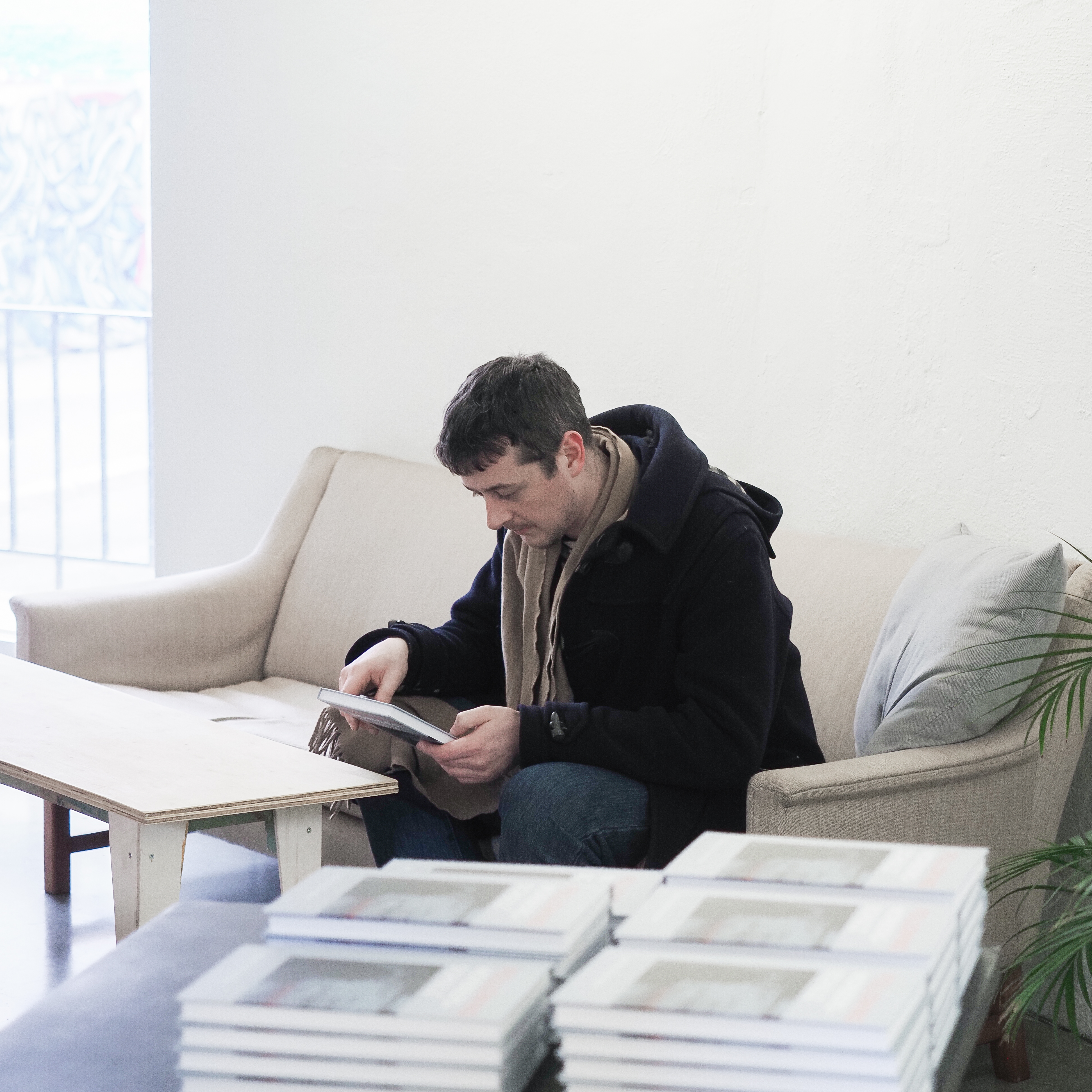
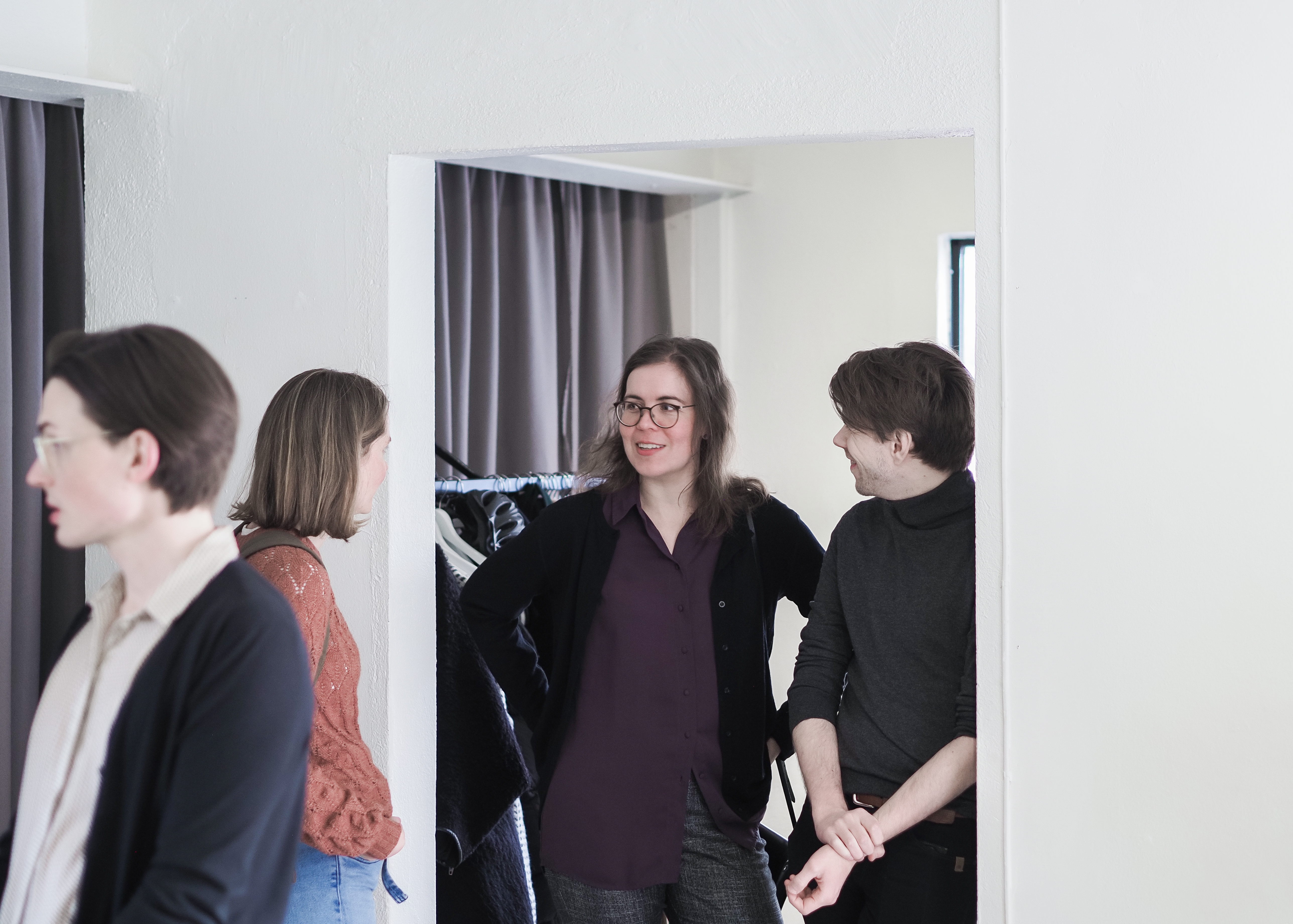
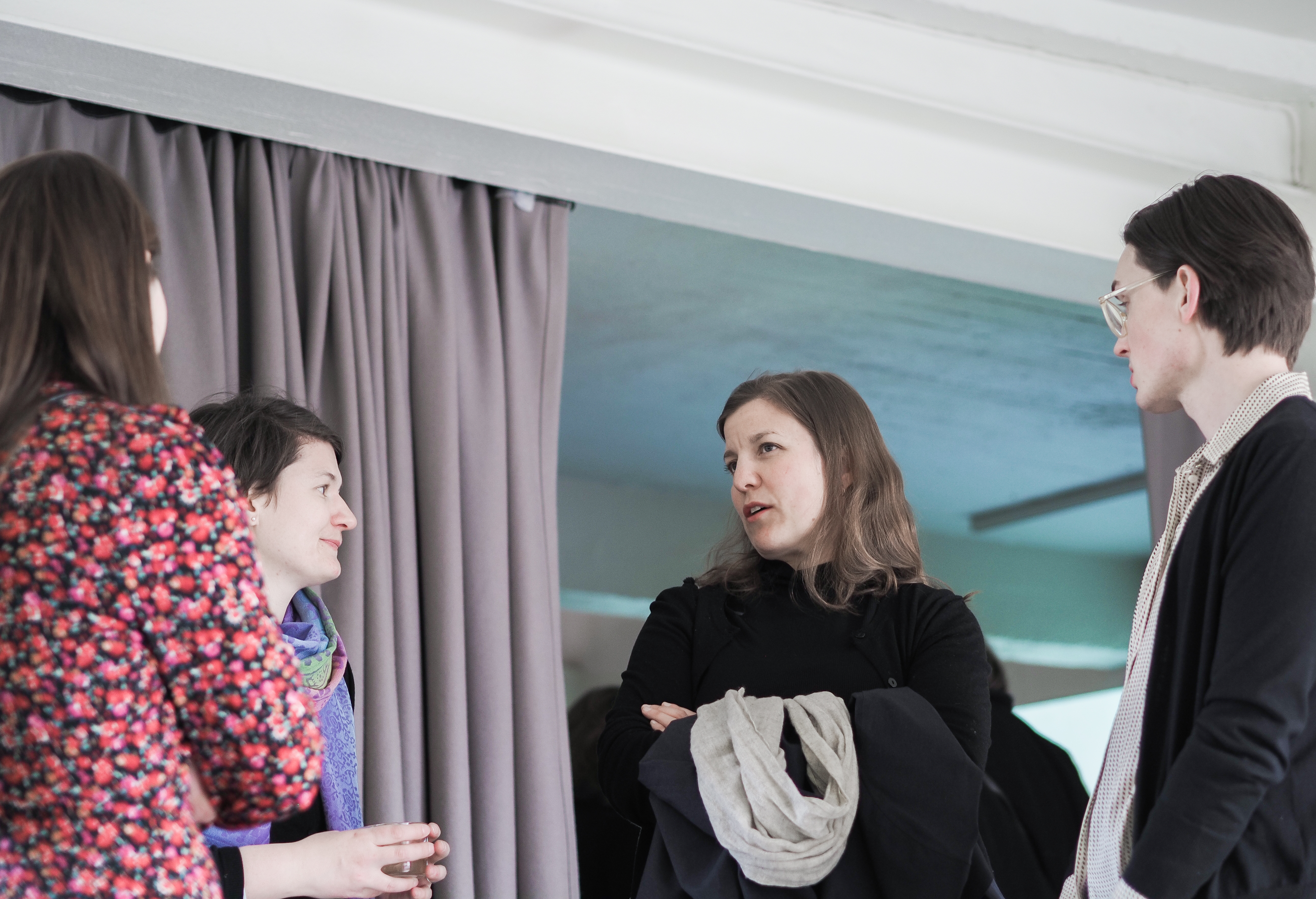
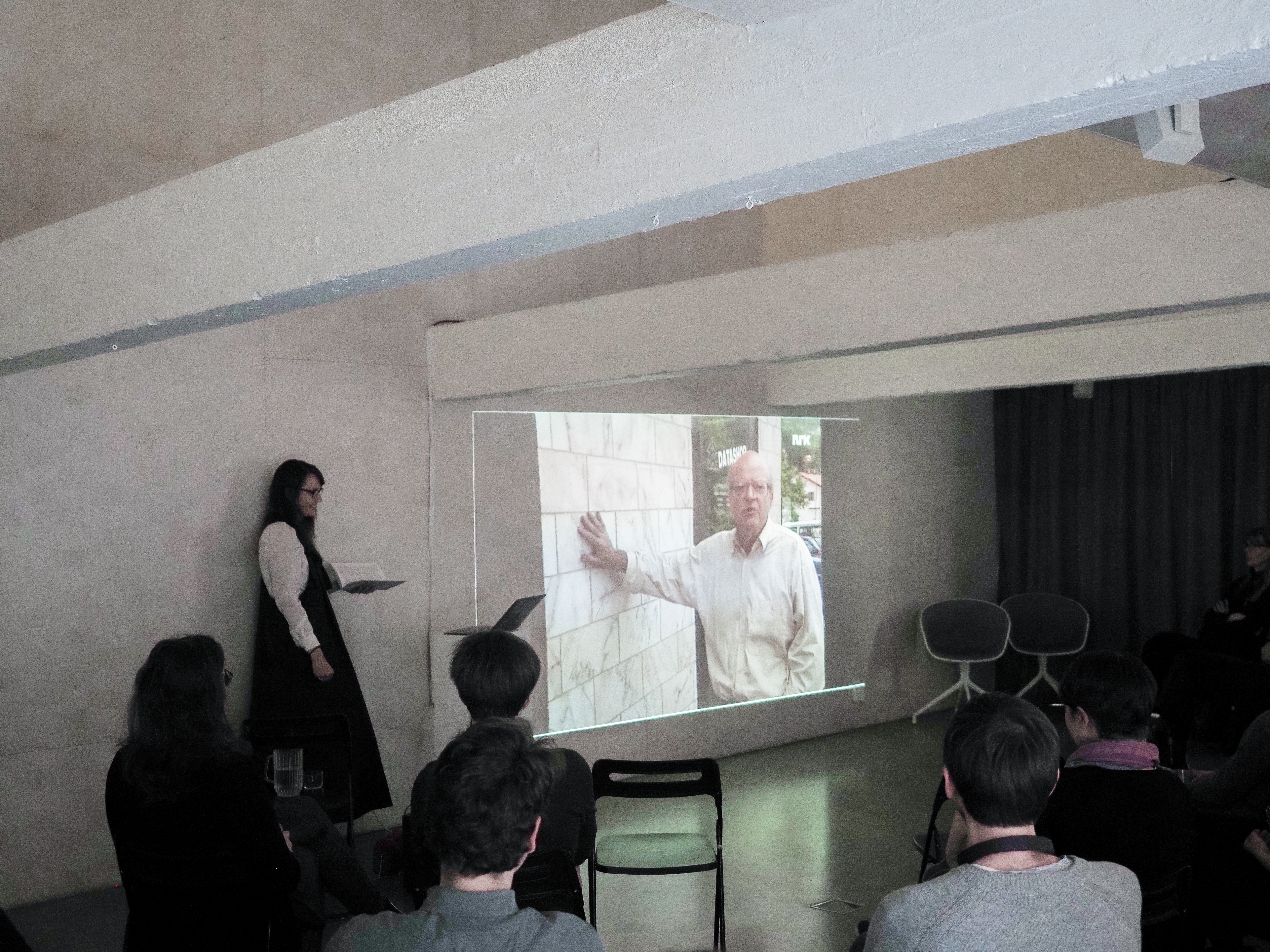
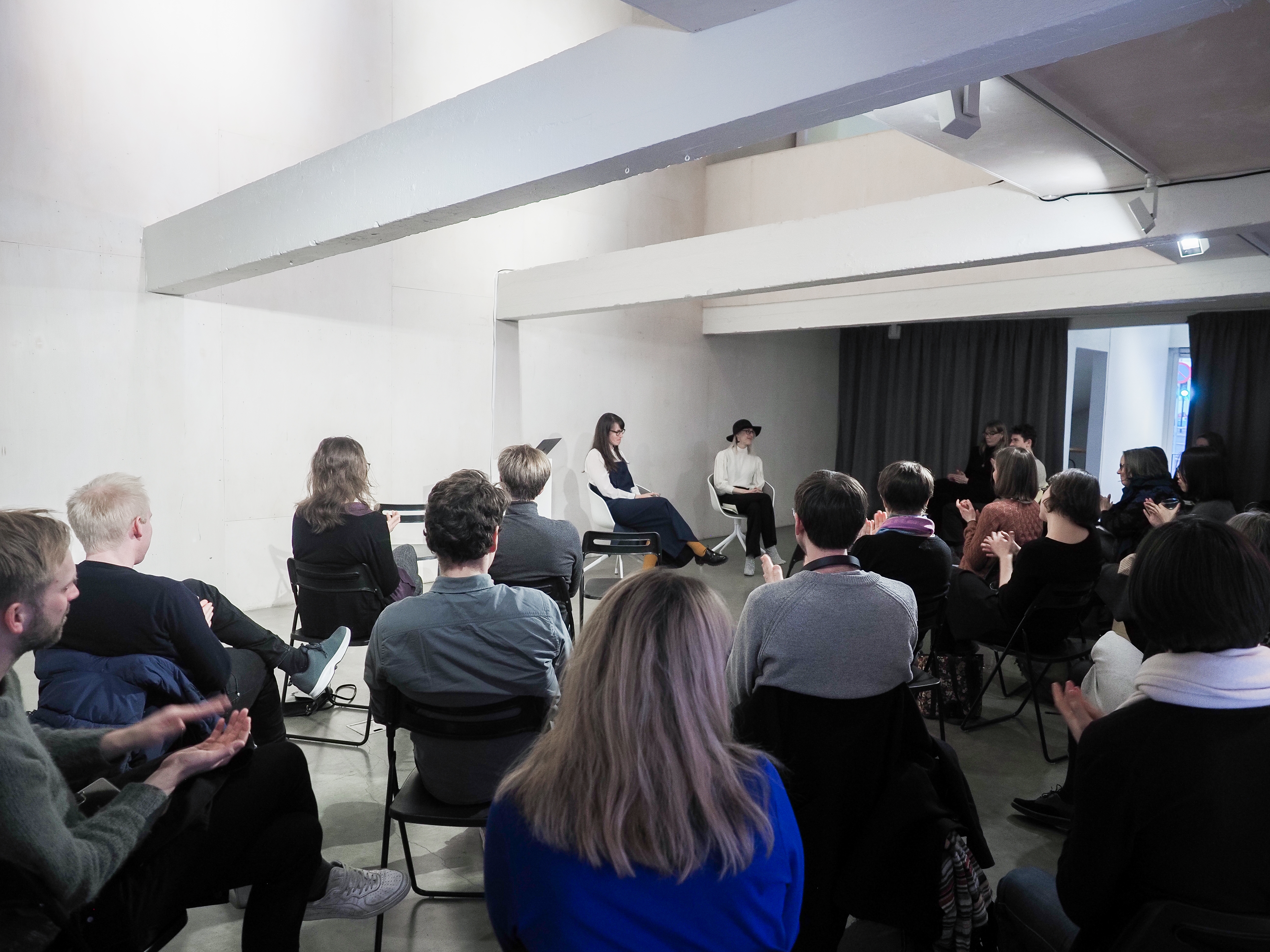
The second launch event took place at ROM for kunst og arkitektur in Oslo 30 March 2022, with Ingrid Halland (University of Bergen). Photos by Håkon Borg/MAGPIE

With the support of the Norwegian Arts Council.

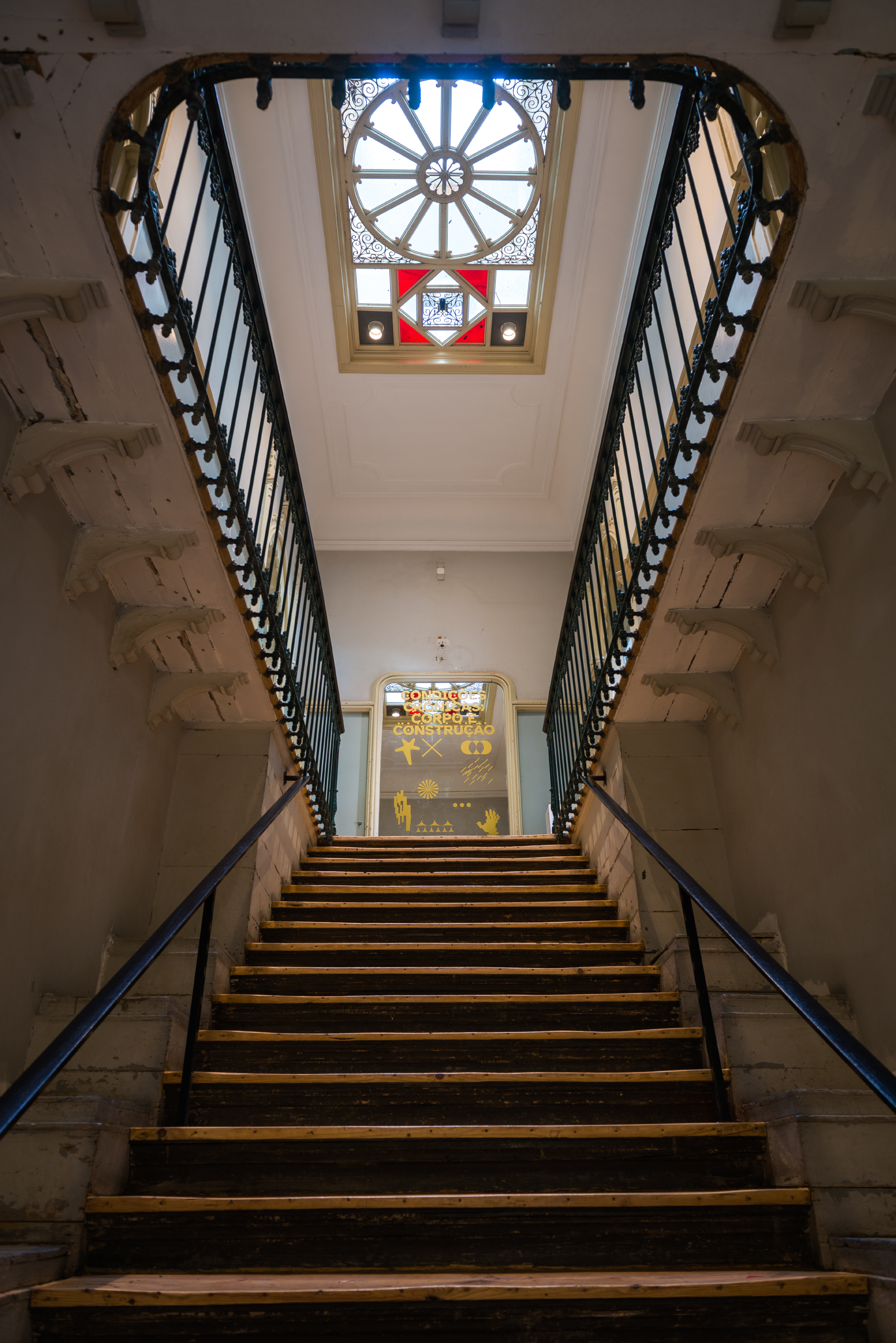
Chronic Conditions: Body and Building

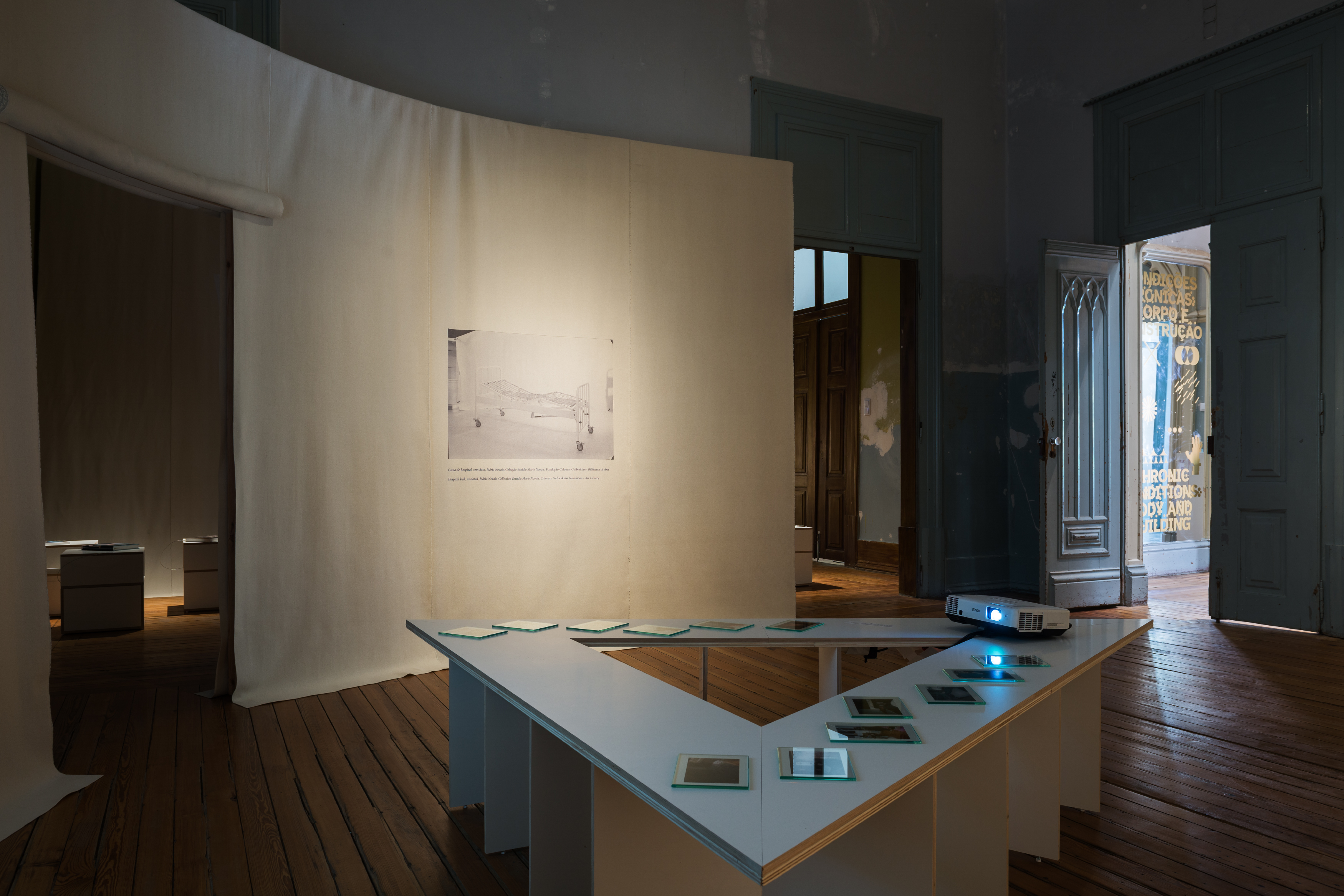
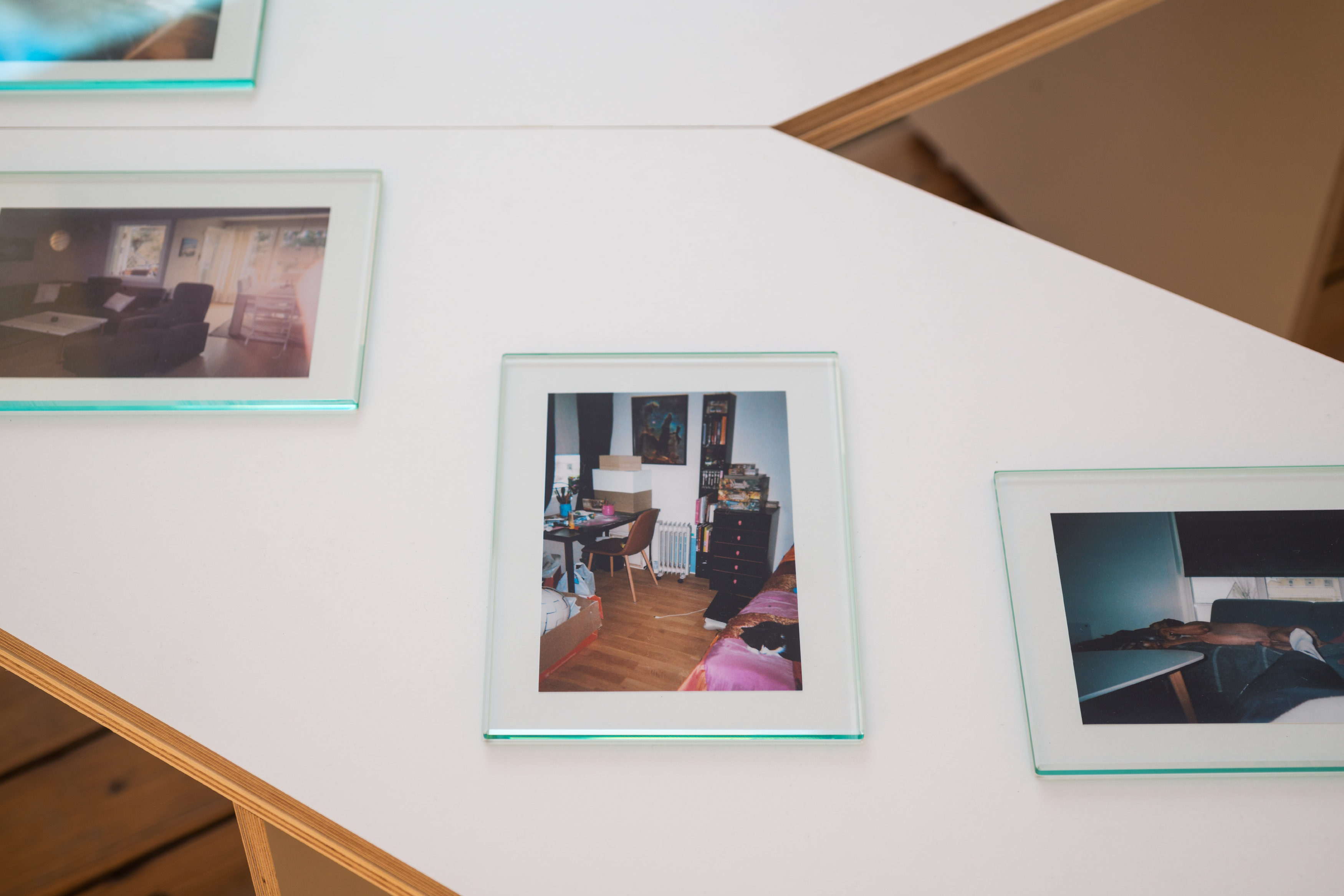
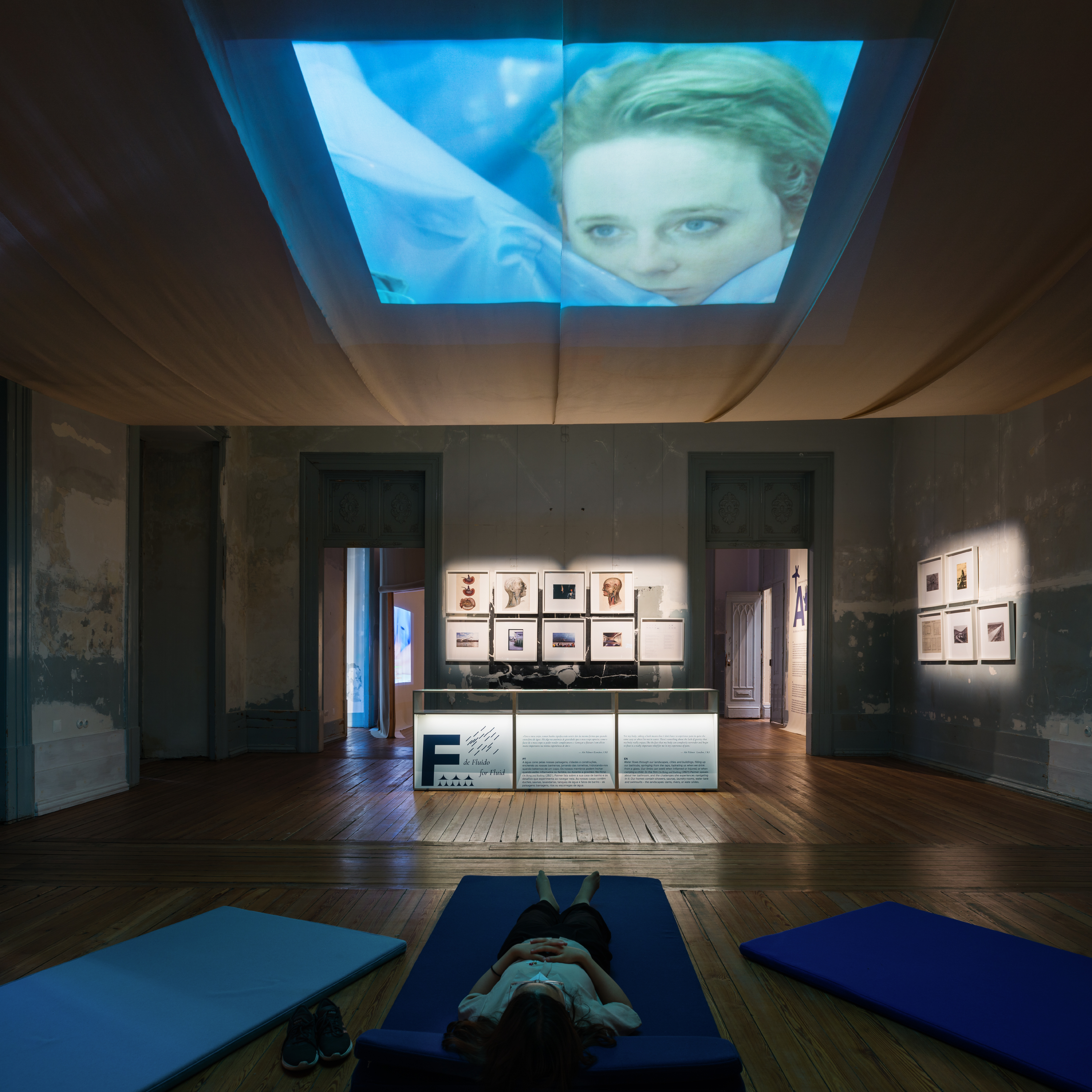
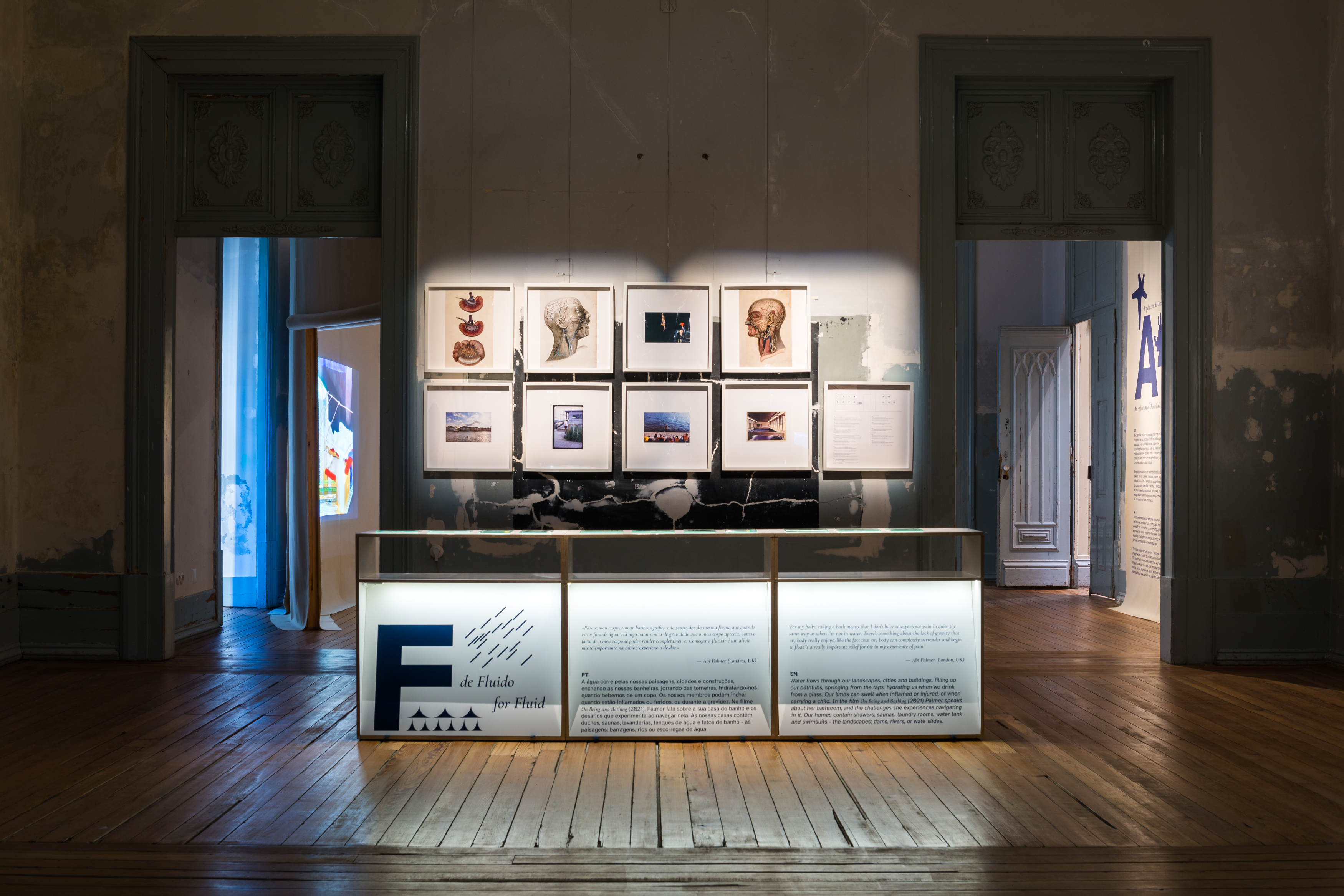
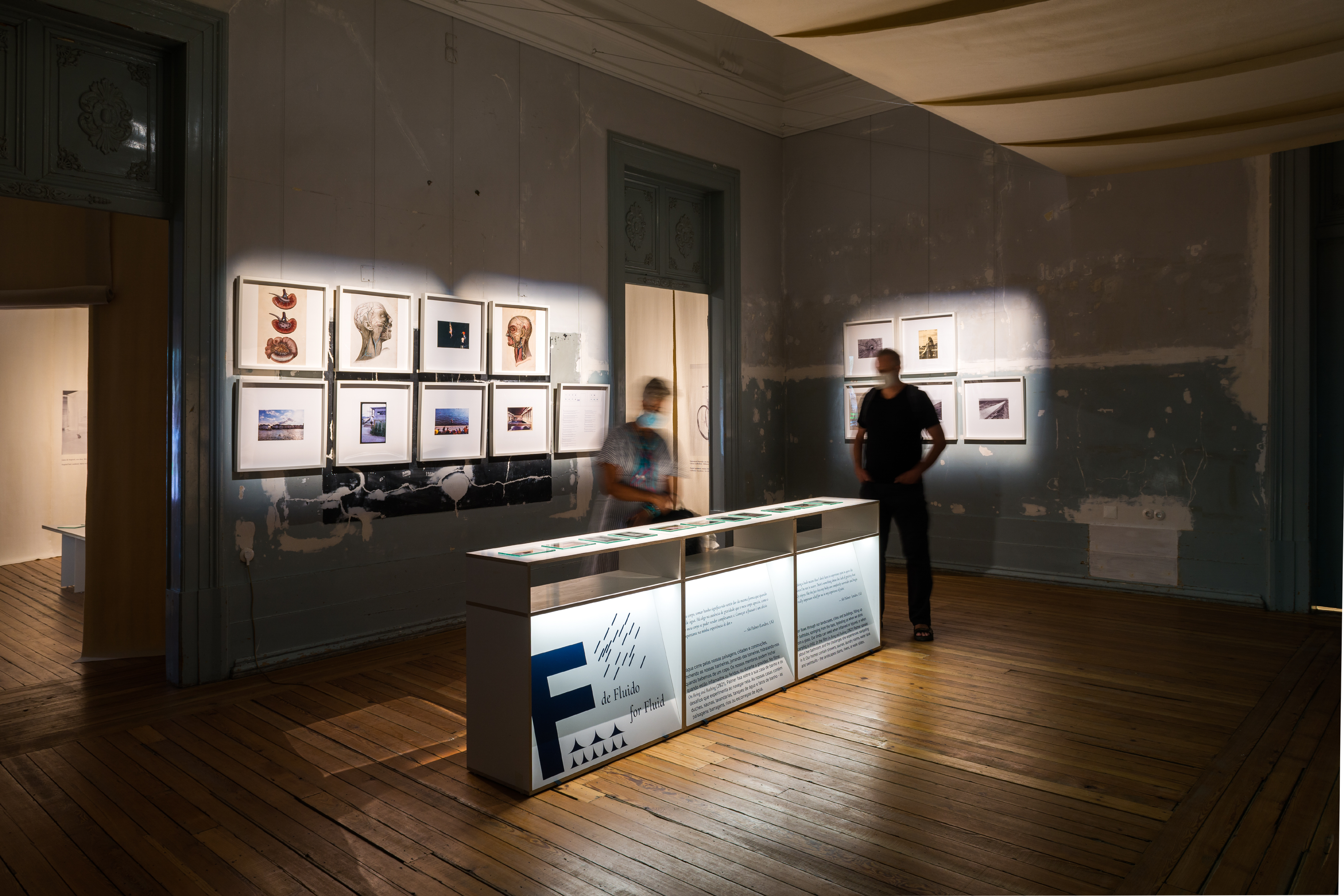
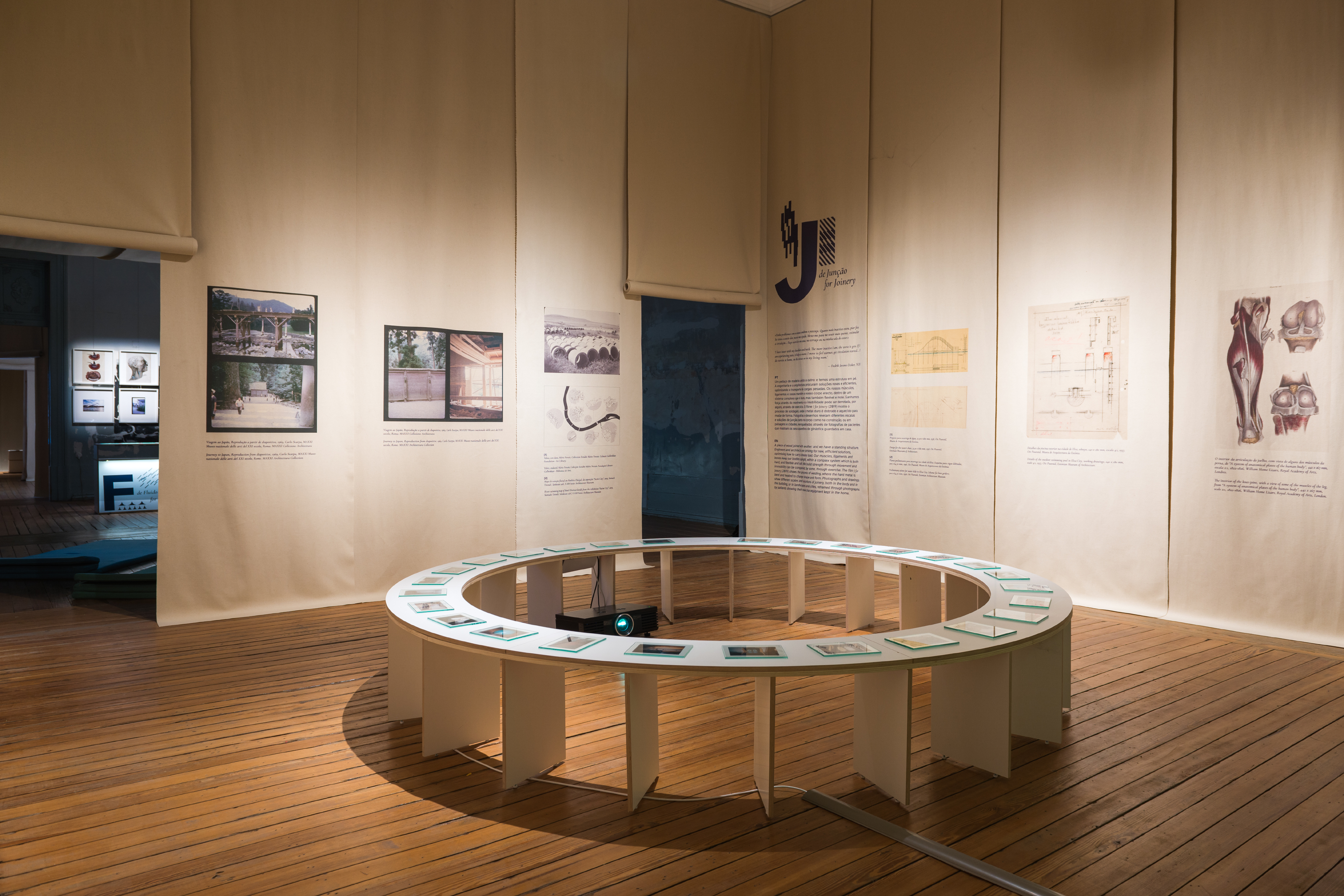
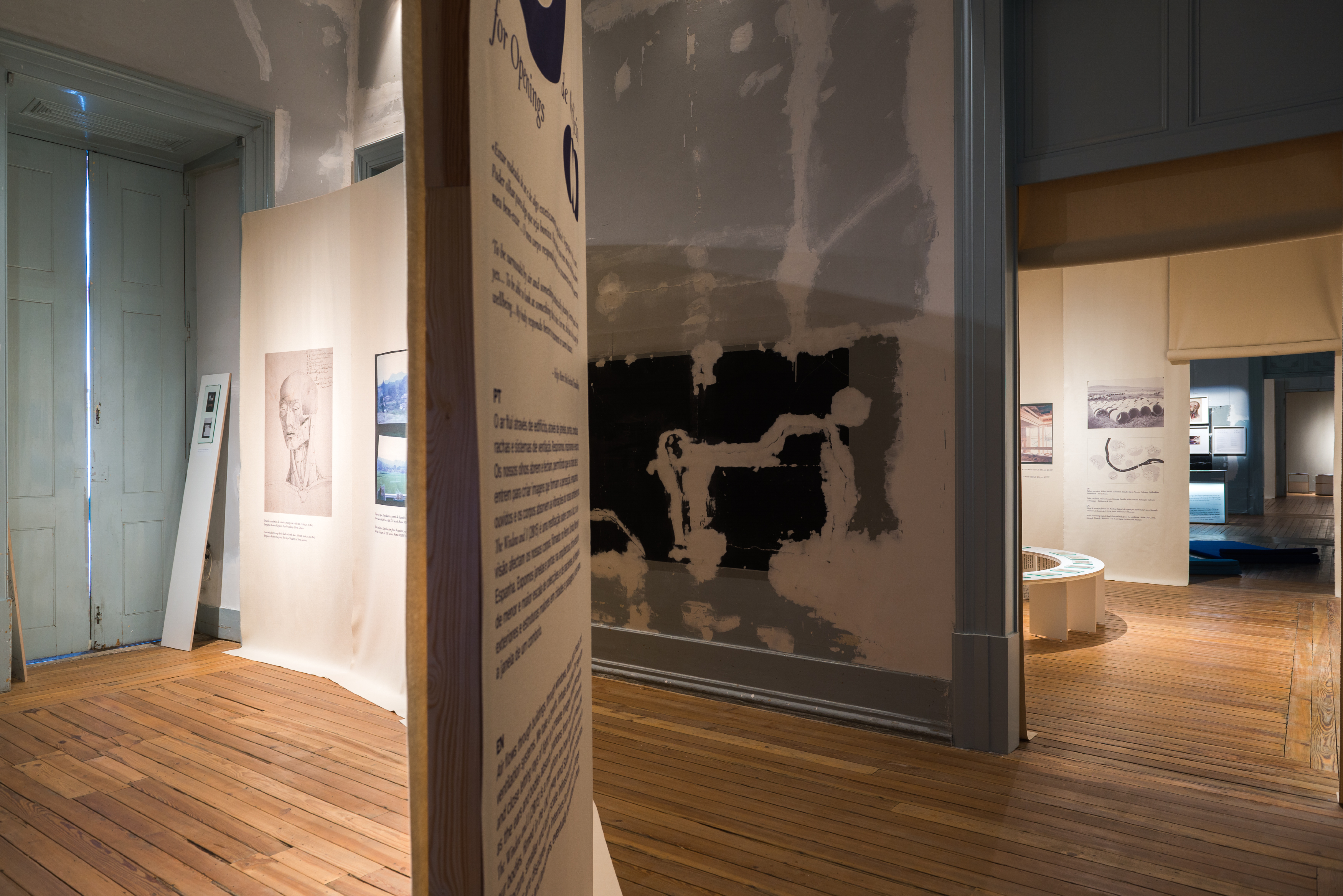
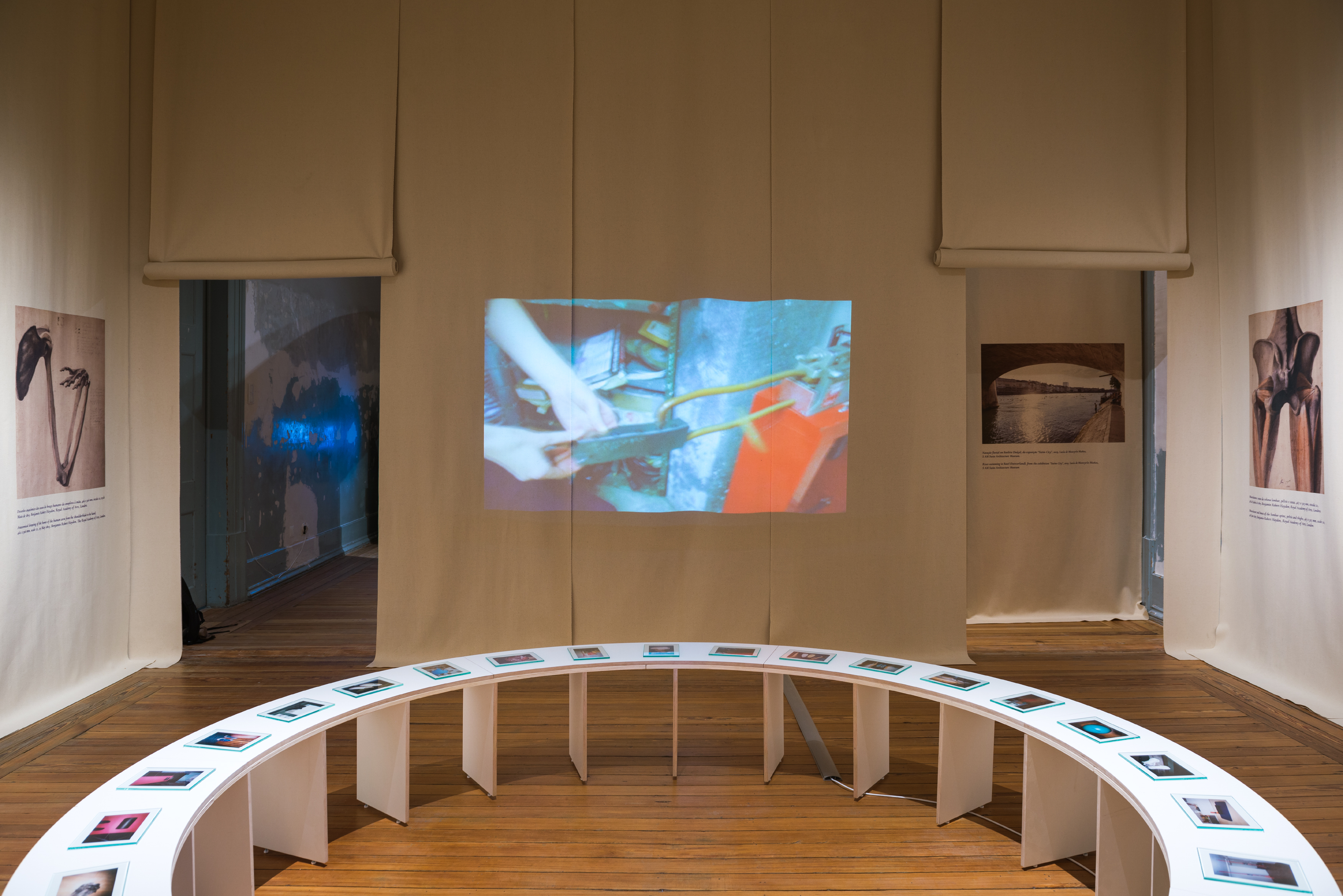
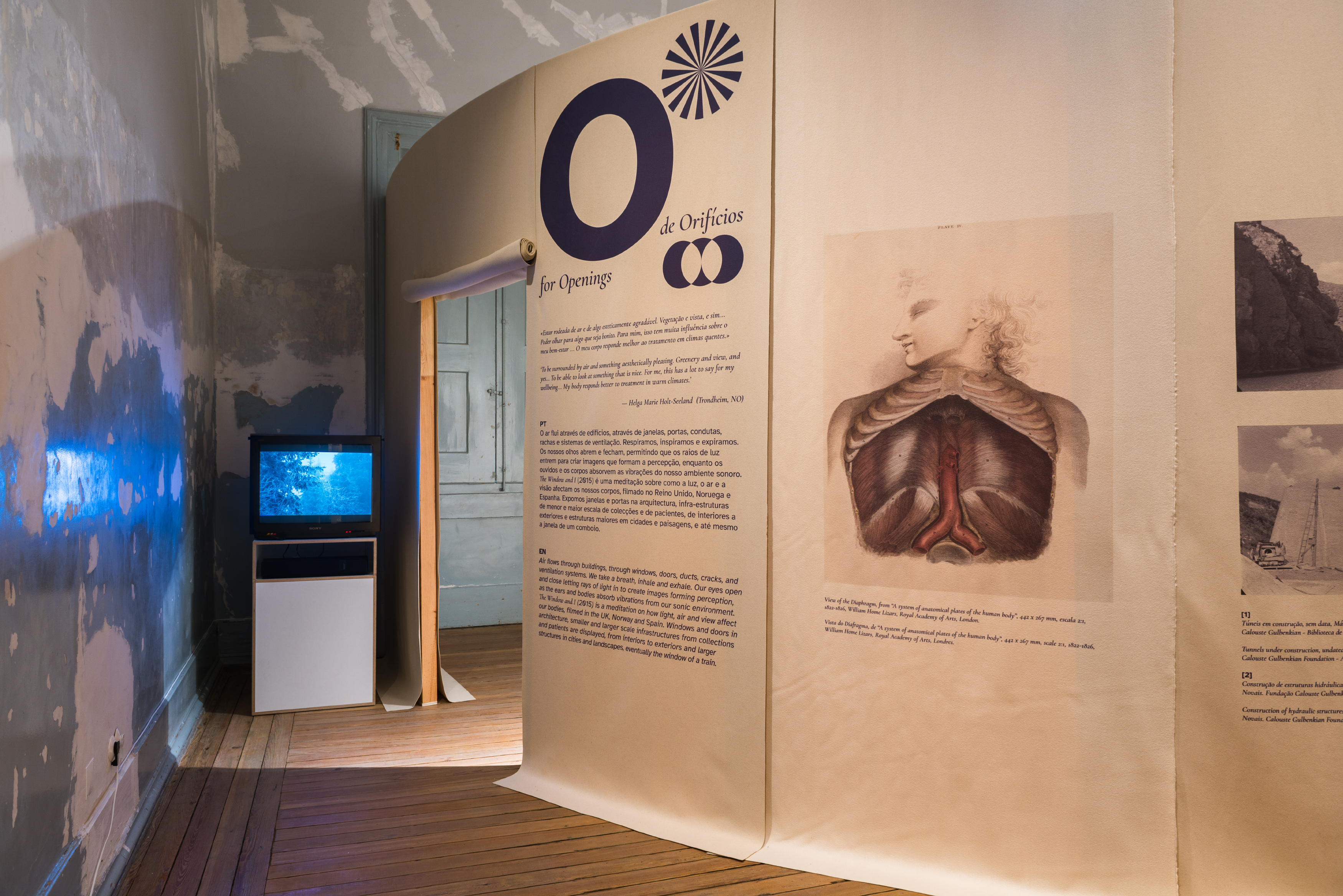
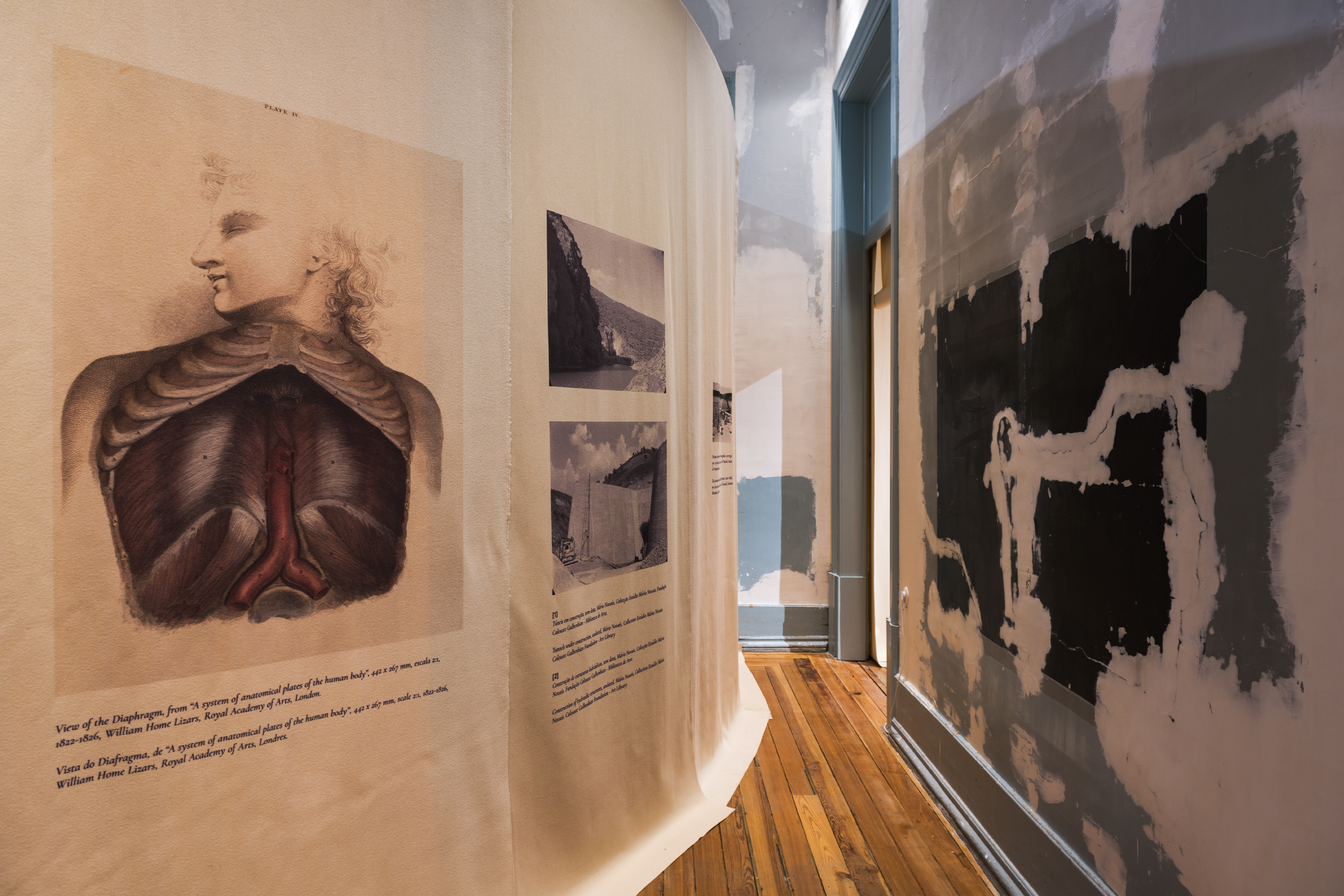
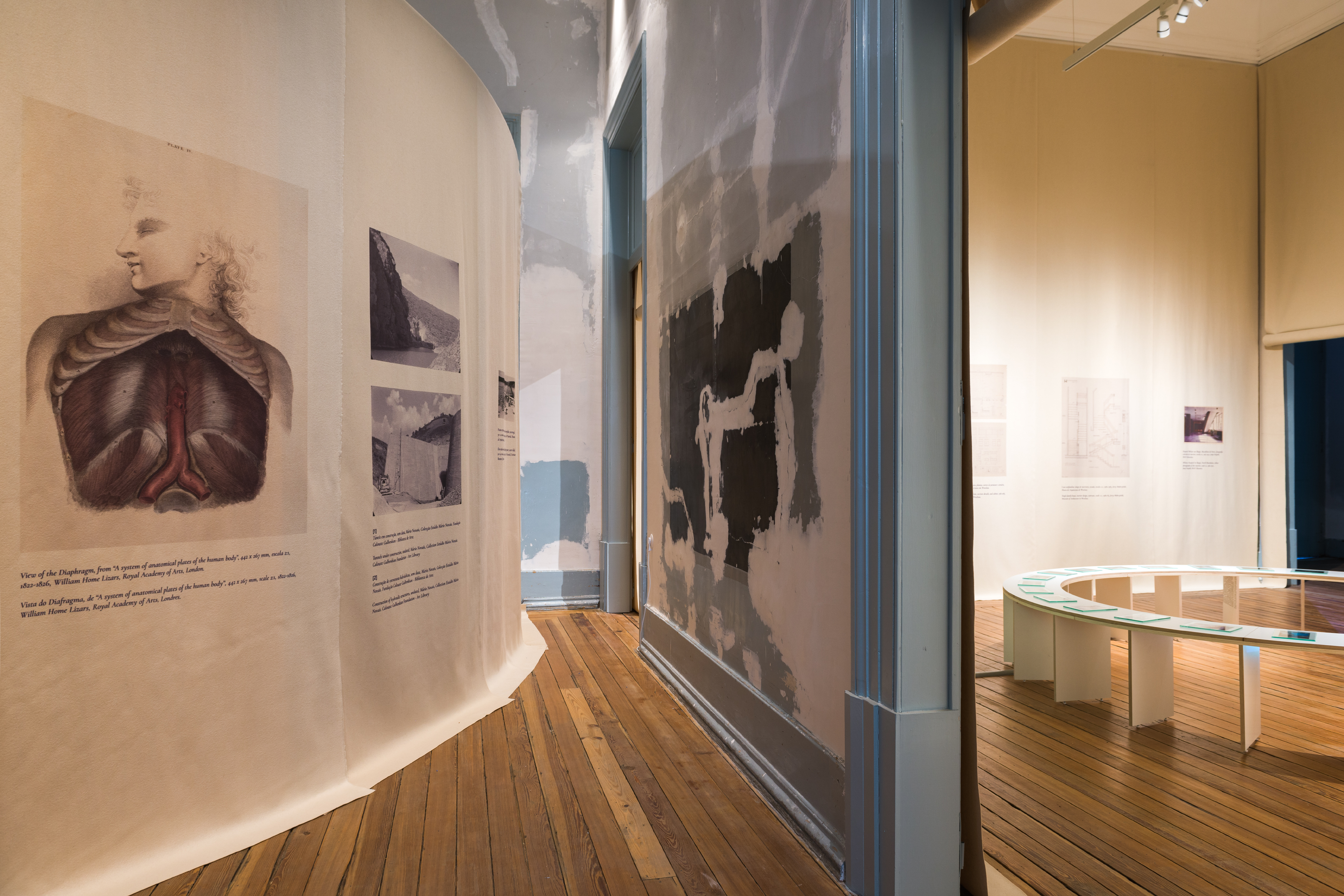
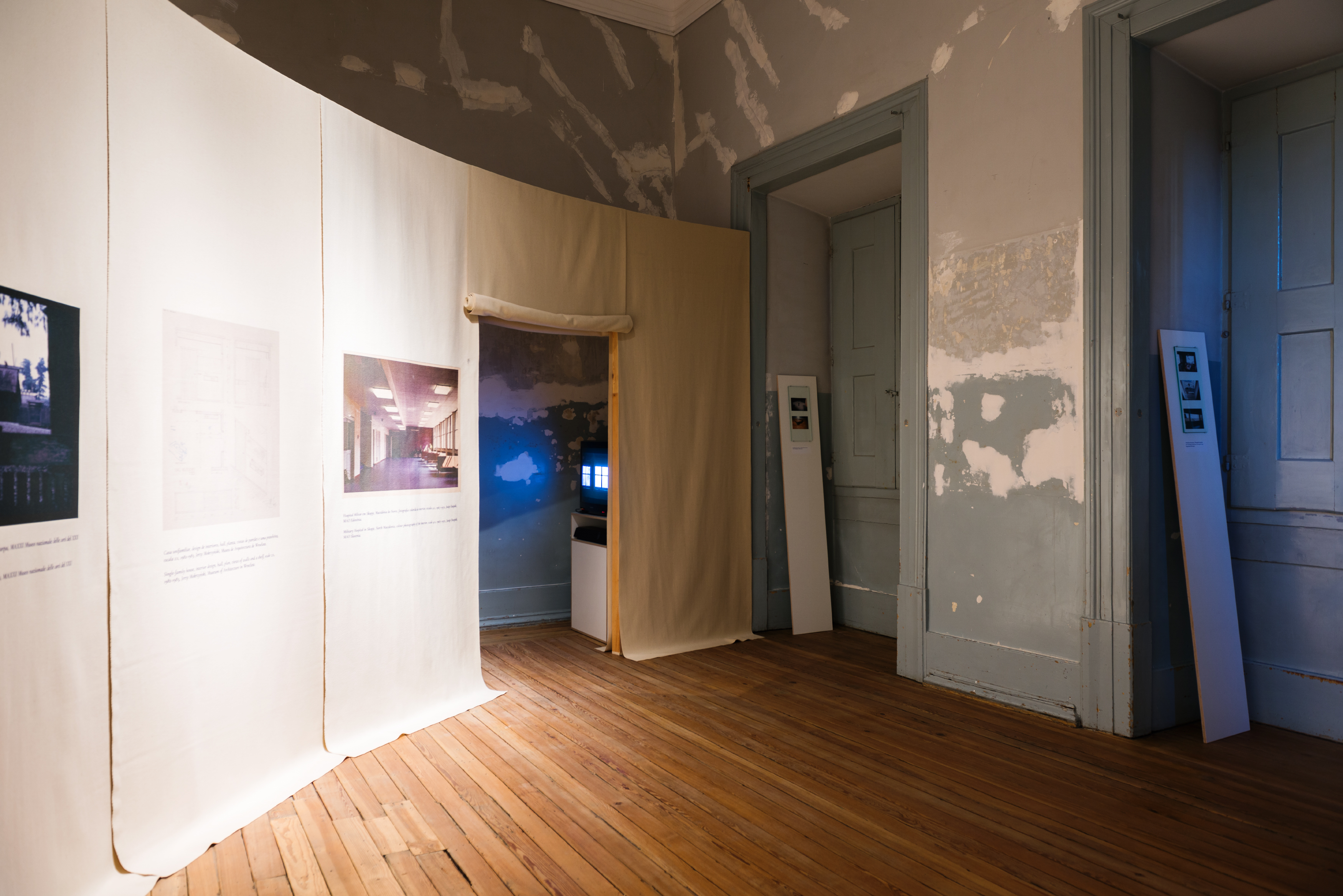
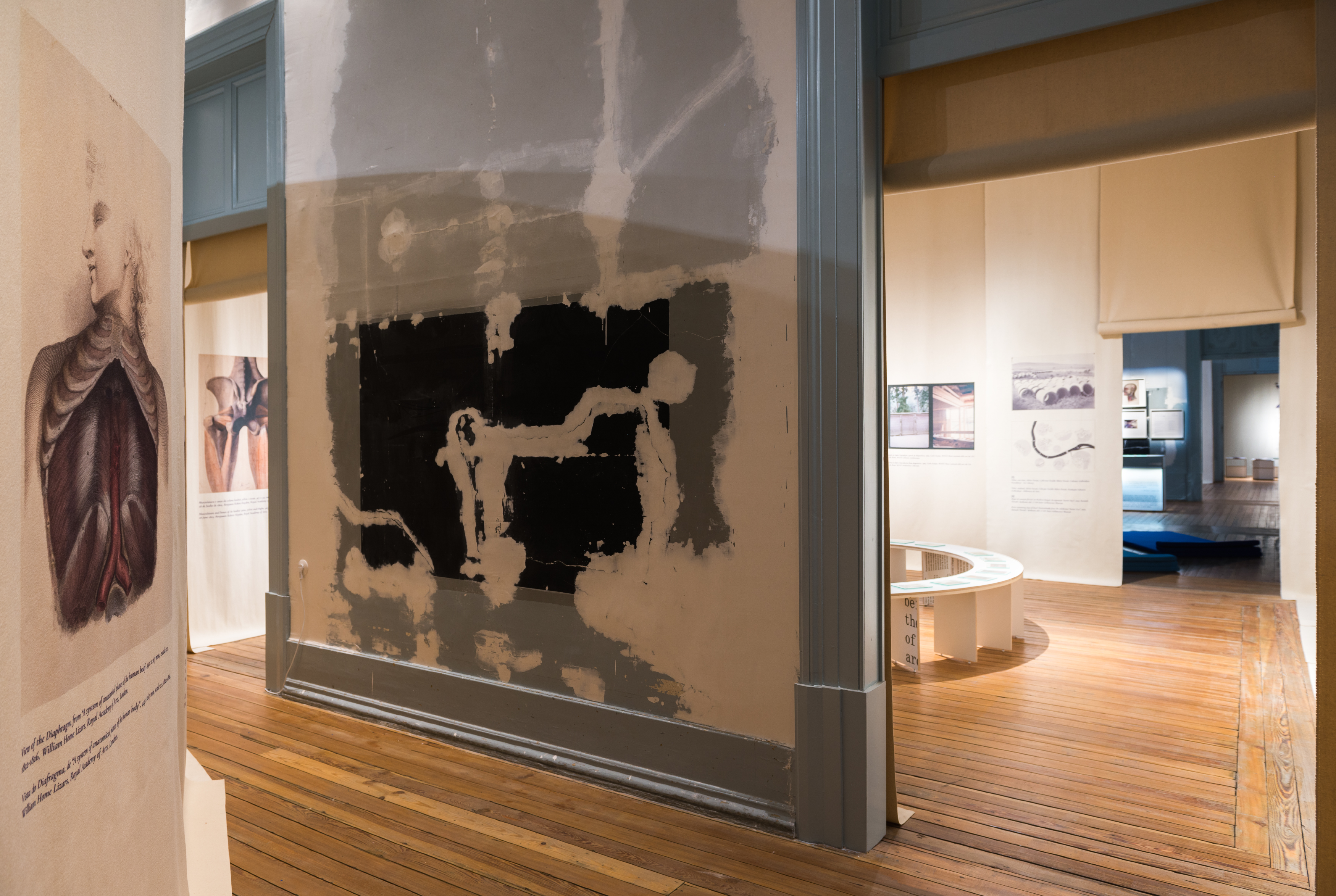
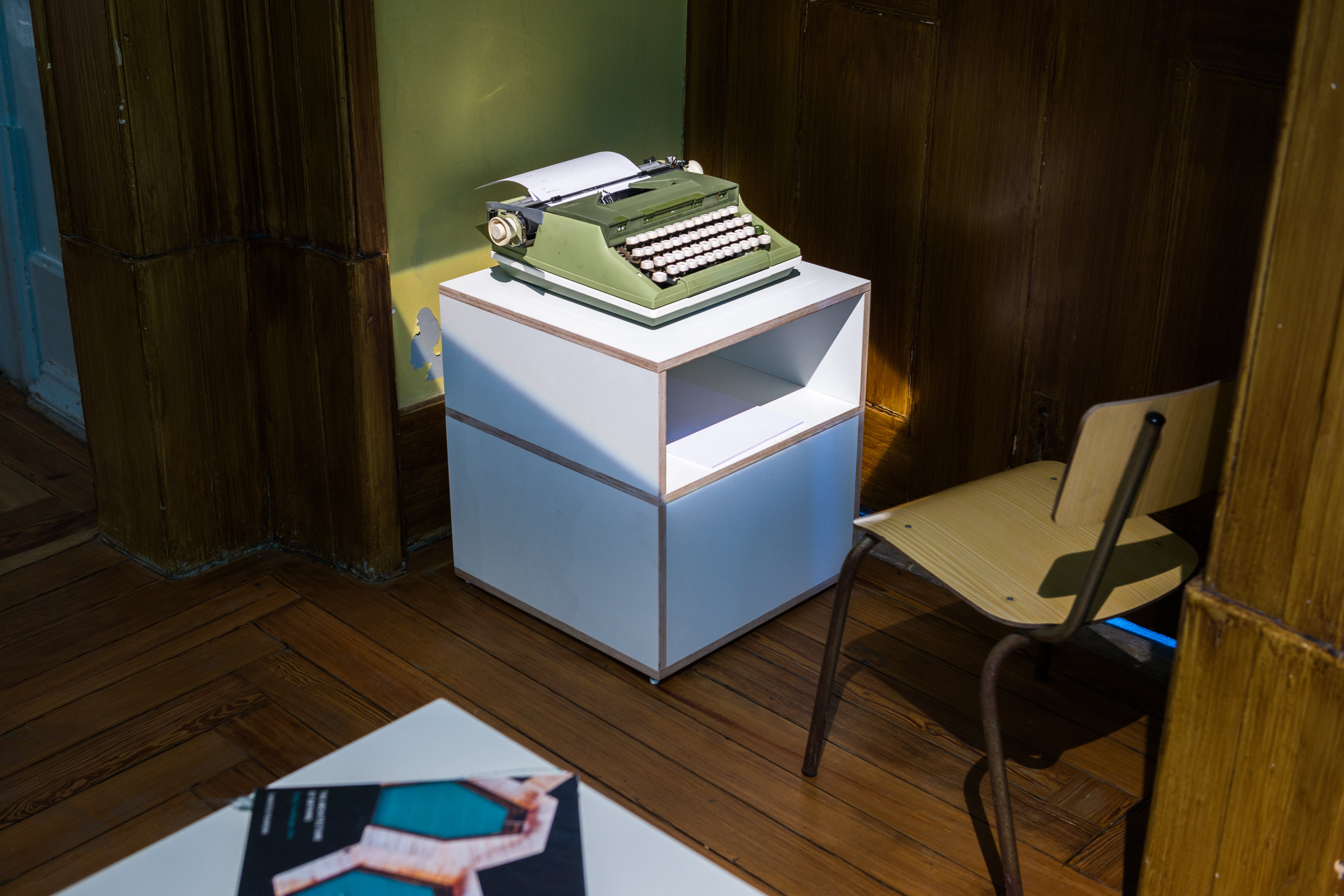
[Condições Crónicas: Corpo e Construção] 12 October to 11 December 2021 at Palácio Sinel de Cordes, Lisboa. Commissioned and organised by the Lisbon Architecture Triennale, as part of the Future Architecture Platform 2021, themed Landscape of Care. Curator: Anna Ulrikke Andersen. Design: L’Atelier Senzu.

Visit the exhibition through this virtual ‘visit talk’ followed by a roundtable with Anna Ulrikke Andersen, Abi Palmer and Jos Boys.

Curatorial lines

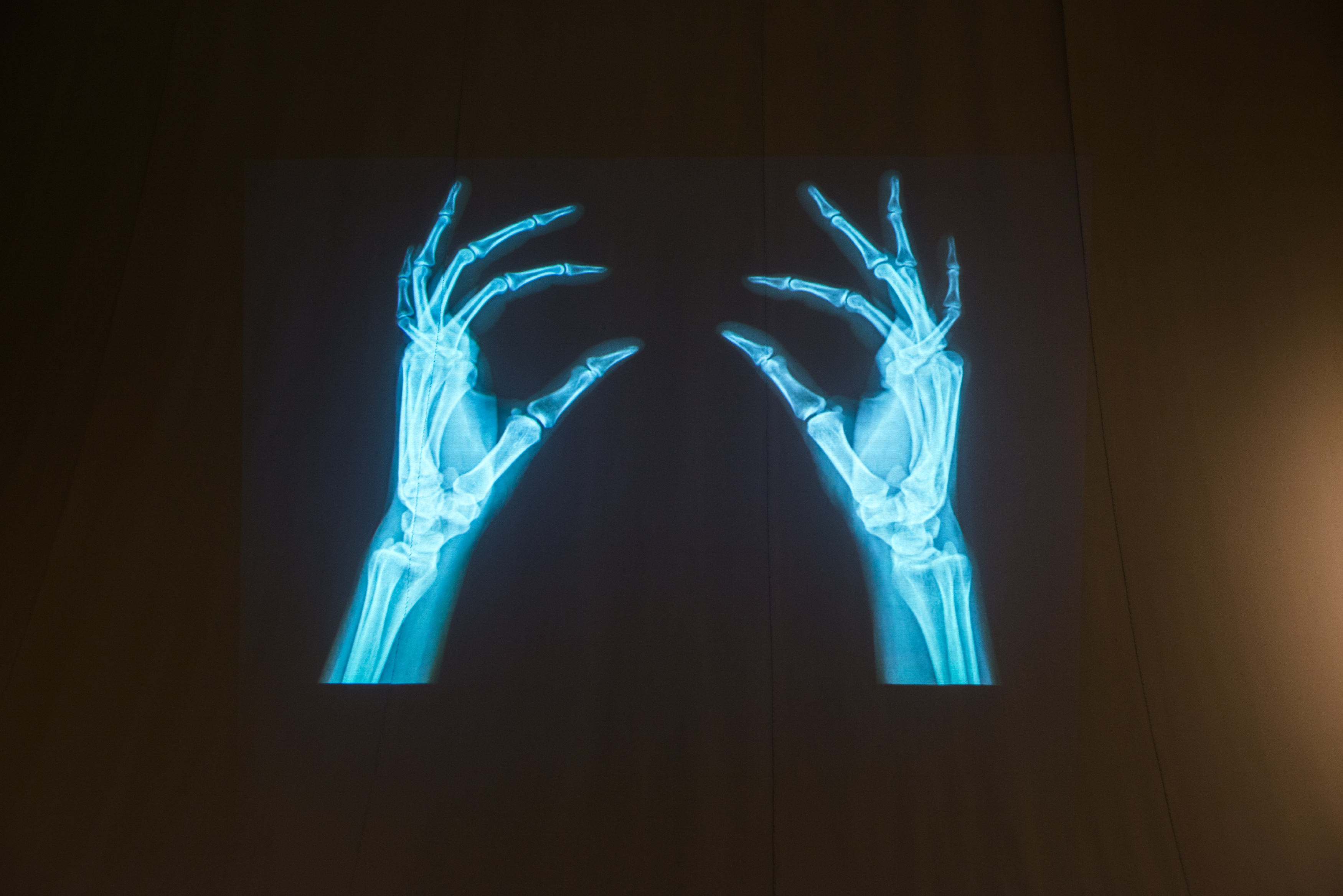
As we live longer, more people will live with chronic illnesses. Told from a personal narrative of chronic rheumatic illness, the curator of this exhibition asks: how do our bodies respond to buildings? 

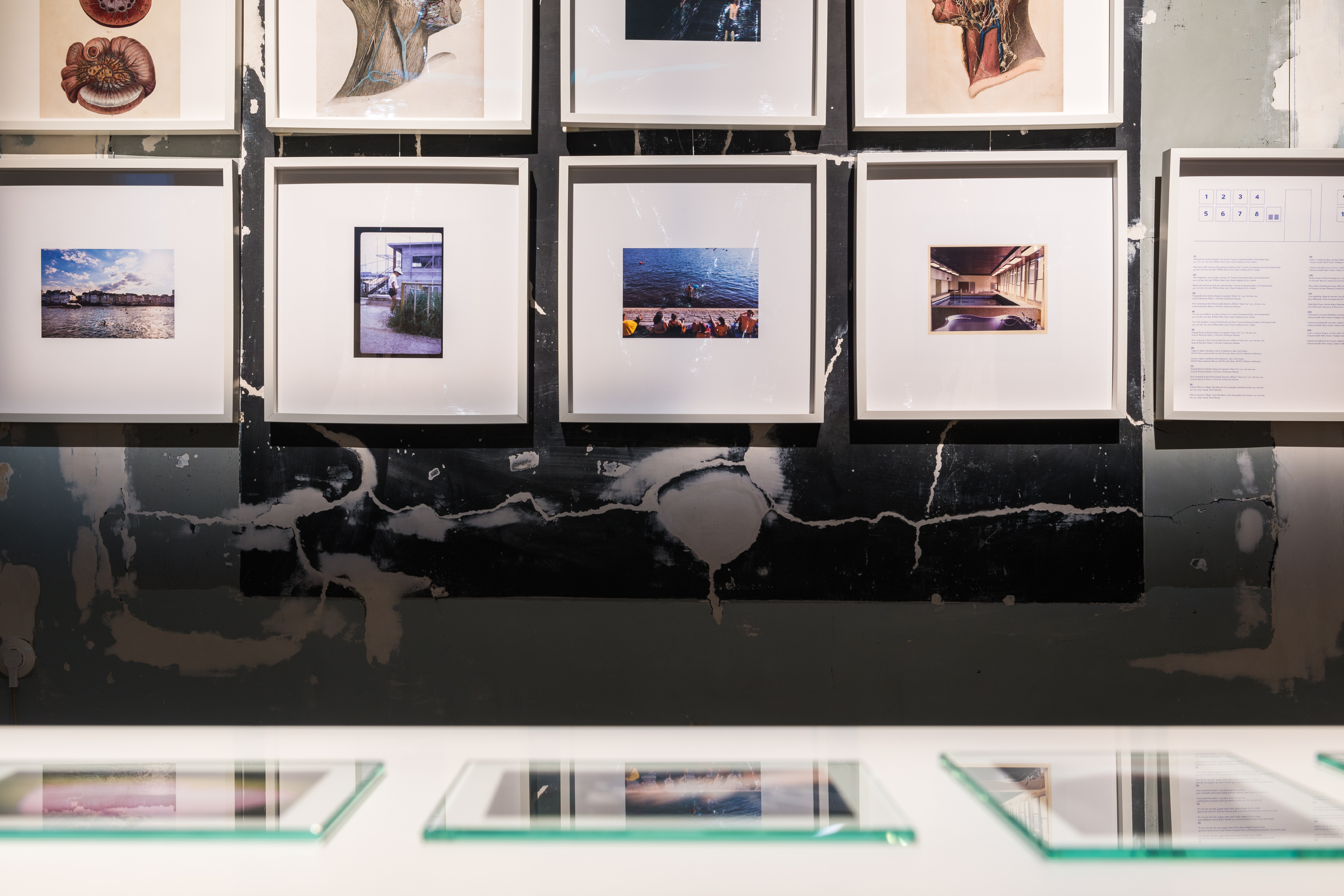
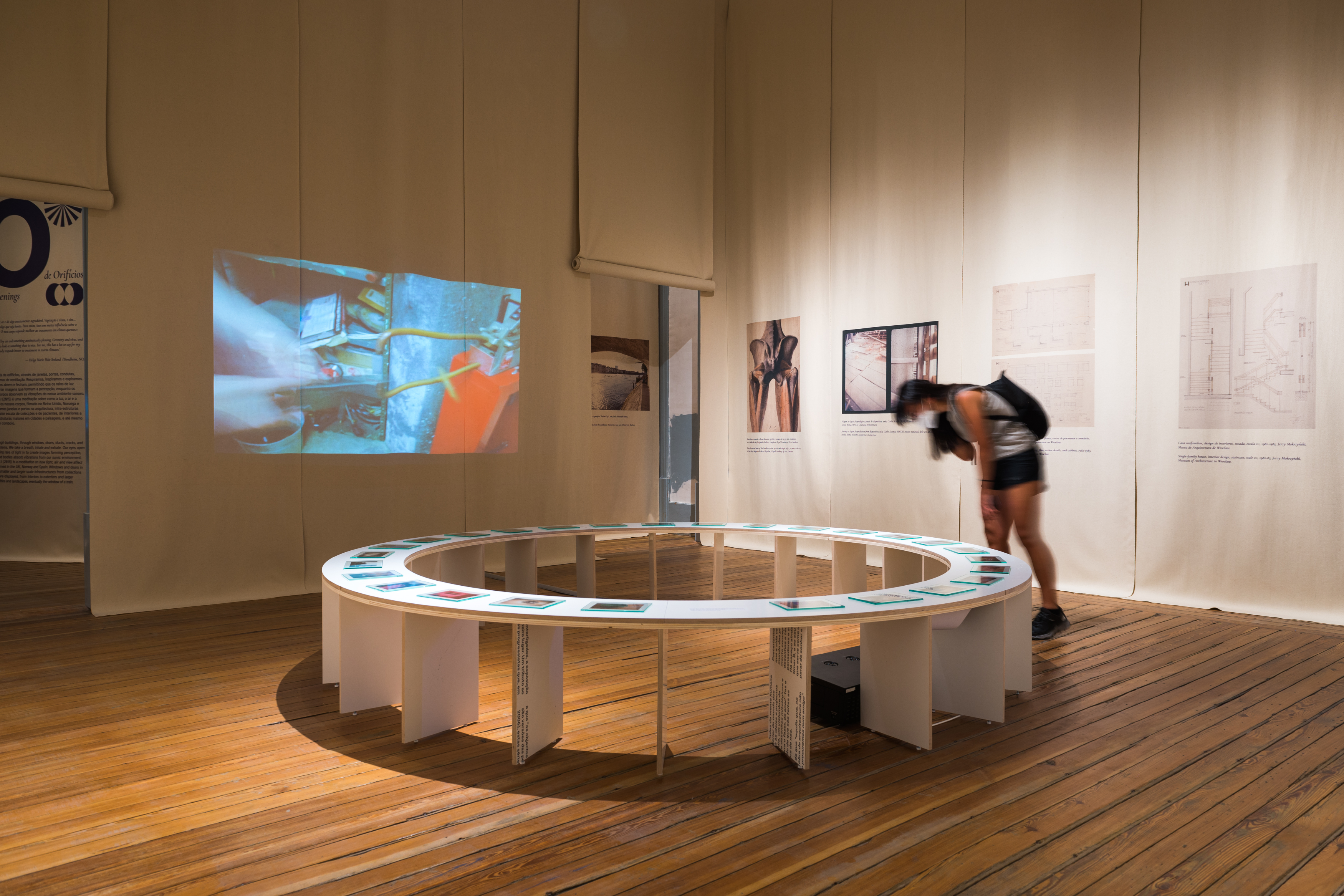
This exhibition uses the patient perspective captured in recent photographs and original films to revisit a selection of drawings and photographs from leading European collections, part of the Future Architecture Platform. Starting from the chronically ill body, we focus on fluids, joinery and openings, both in bodies and buildings, explored by architects and artists from 1822 to 1983.

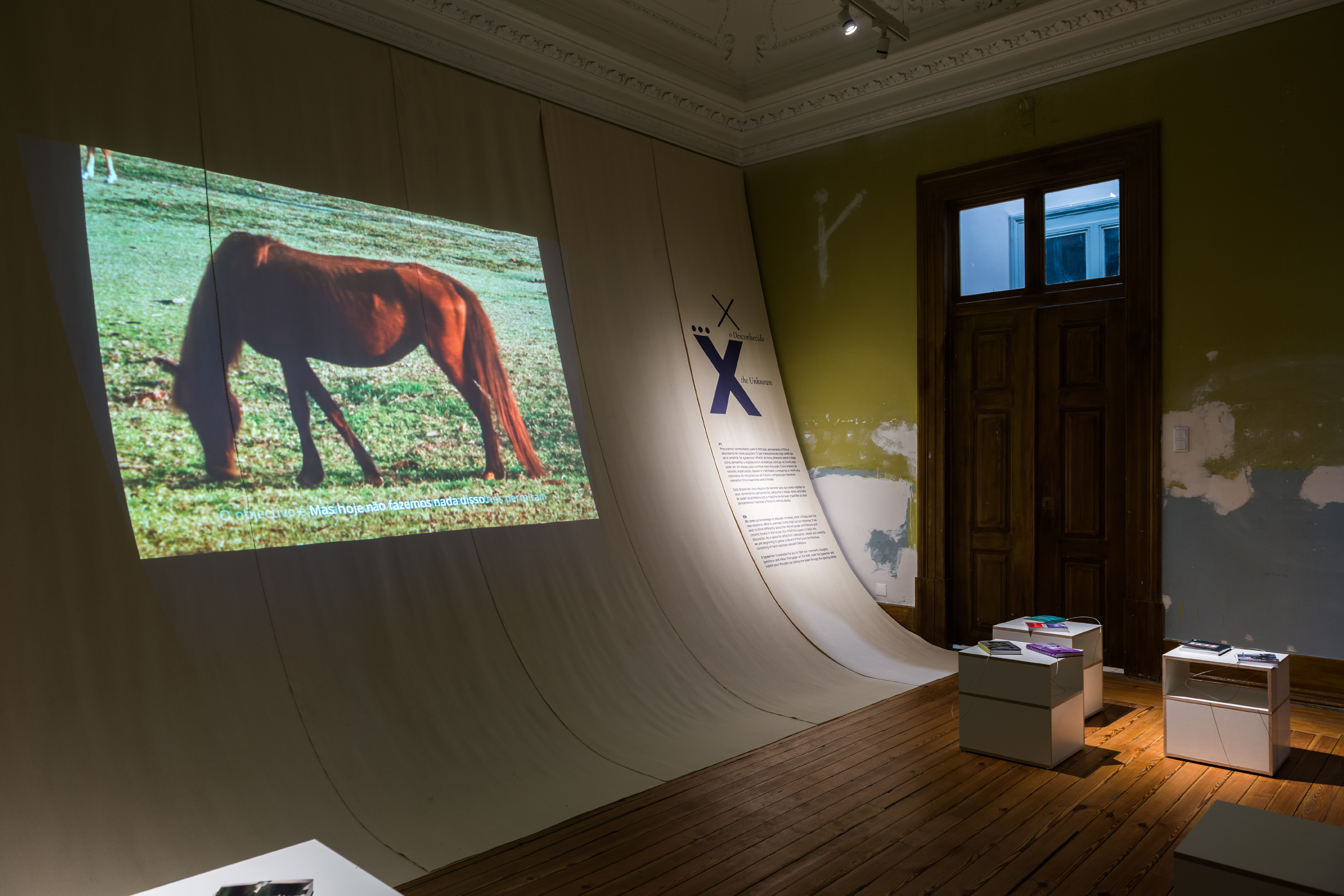
A complete A to Z guide into this thematic is not possible. The exhibition highlights that the blueprint we have today is incomplete and should be developed further. Instead, we move from A to X: A for Architecture, to X, the unknown future, showing the way chronic illness affect our experience of landscapes, buildings and infrastructures. How can we configure a new alphabet to help us with the new tomorrow? 

Collections

  • Calouste Gulbenkian Foundation, Lisbon
  • Estonian Museum of Architecture, Tallinn
  • MAO – Museum of Architecture and Design, Ljubljana
  • MAXXI – National Museum for 21st Century Arts – Collezione Architettura, Rome
  • Museum of Architecture in Wrocław
  • Royal Academy of Arts, London
  • S AM – Swiss Architecture Museum, Basel

Films by Anna Ulrikke Andersen.


Exhibition design

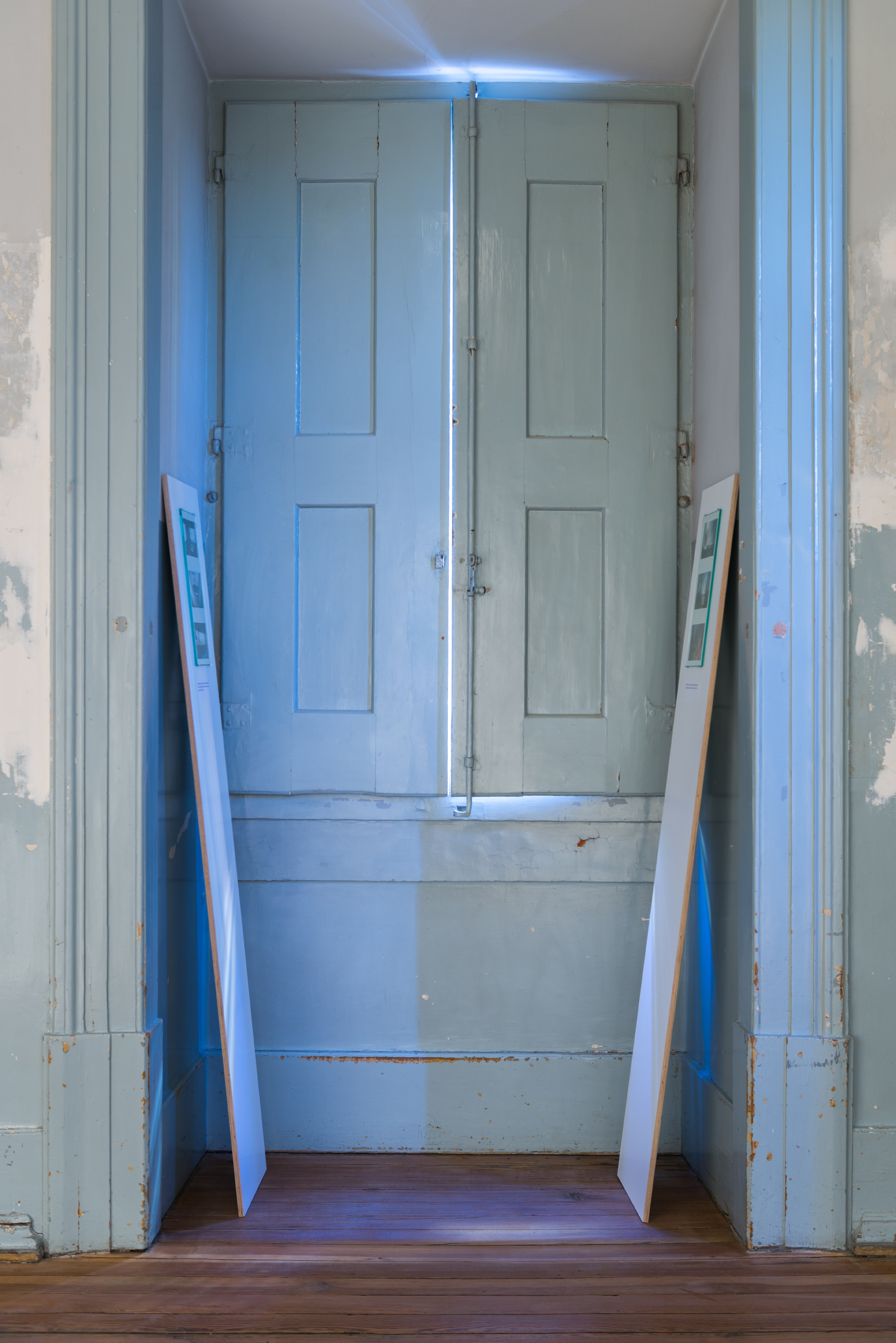
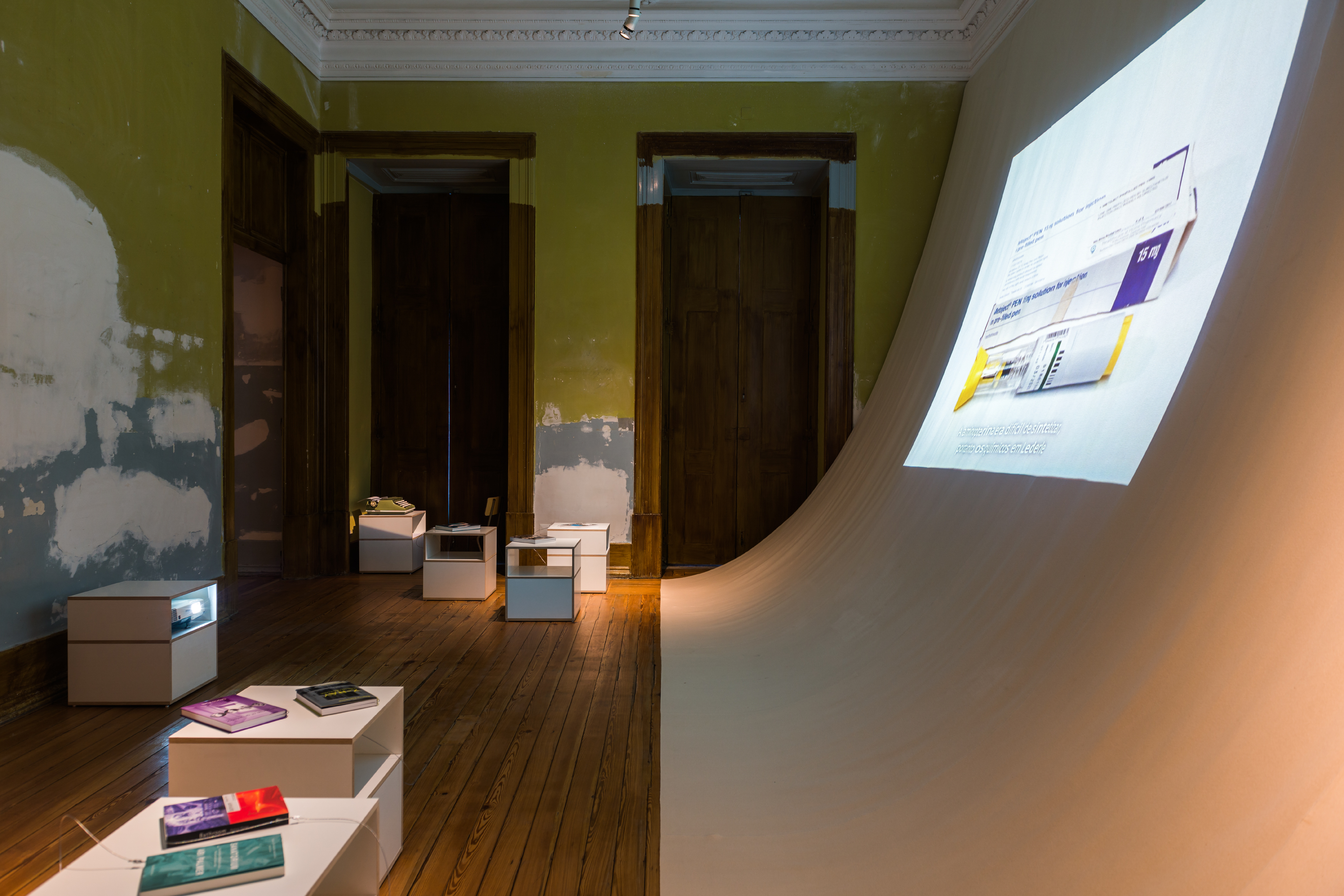
Designed by L’Atelier Senzu, the scenography focuses on the use of textile material combined with the upcycling of exhibition elements to create an intimate atmosphere. In partnership with Burel Factory, a set of panels was designed in burel, a Portuguese handcrafted fabric made from Serra da Estrela sheep’s wool, which transforms the Palace’s exhibition rooms and takes advantage of this textile’s unique acoustic and thermal properties. With the reuse of material from previous exhibitions, L’Atelier Senzu challenges our perception of accessibility through some proposals that dare the body to adapt to different positions of the shown elements.

L’Atelier Senzu is a Paris-based architectural firm founded in 2015 by Wandrille Marchais and David Dottelonde. The studio explores different areas of creation to imagine unique responses to climate and societal challenges. The office won the international competition for the transformation of the Chamber of Notaries, located Place du Châtelet in Paris, and recently completed the new Galerie Perrotin in the same city. They are also currently developing the first structural rammed earth building in the French capital.

In 2021, L’Atelier Senzu won the prize “Albums des Jeunes Architects et Paysagistes (AJAP)”, a biennial prize from the Ministry of Culture. They were also granted from the “Academy of Fine Arts” which annually awards five prizes each to young artists in the disciplines of painting, sculpture, architecture, engraving and musical composition.

Featuring works by

Benjamin Robert Haydon

Carlo Scarpa

Jerzy Mokrzyński

Josip Osojnik

Lucía de Mosteyrín Muñoz

Mário Novais

Ott Puuraid

William Home Lizars

Max Rasser

Samuele Tirendi / denkstatt sàrl

Tibère Vadi

Patients’ photographs and quotes

Collection of photographs and quotes: Anna Ulrikke Andersen and Anne Silje Bø. With the support of the Norwegian Arts Council
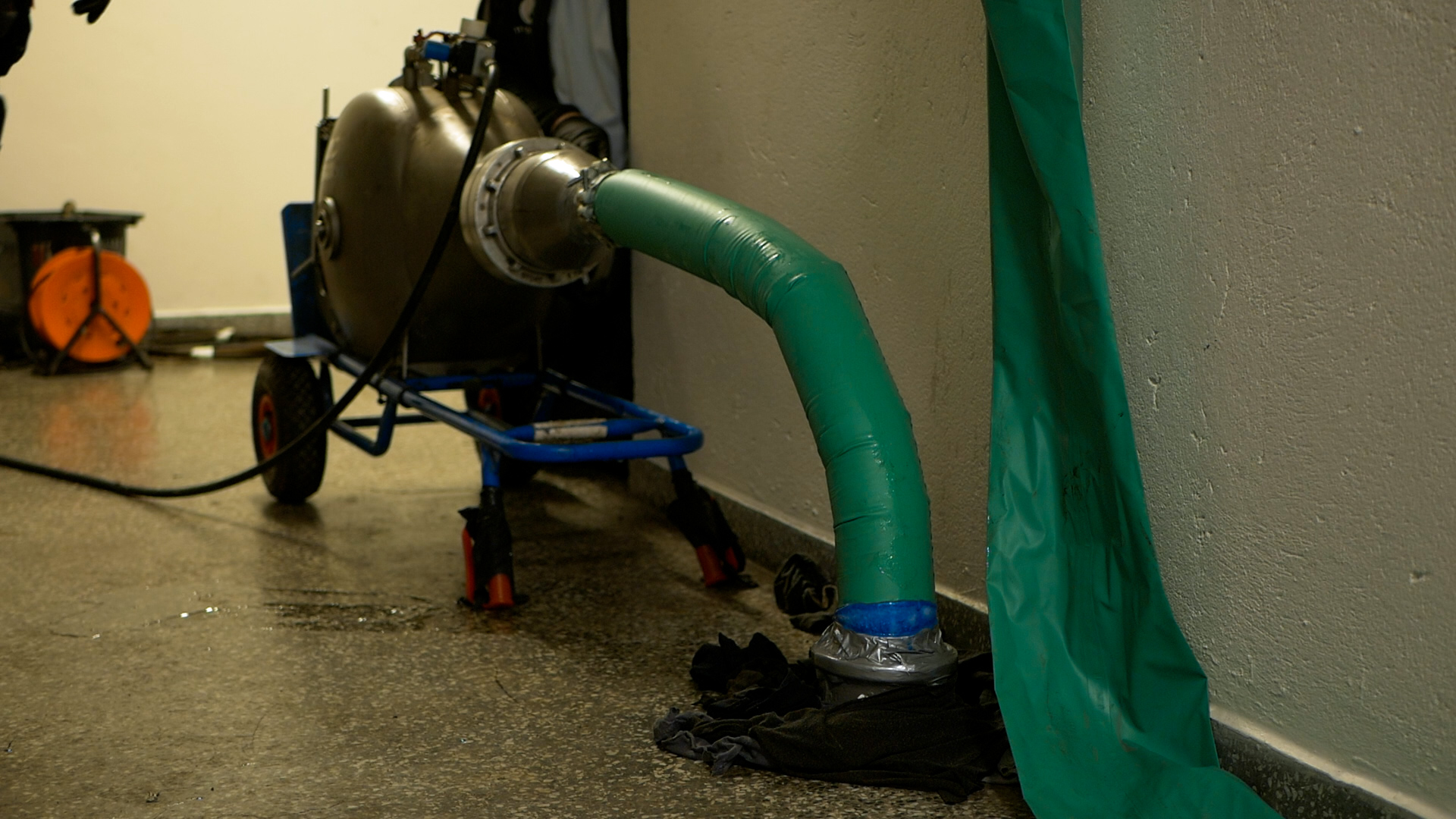
Collaboration

Norsk Folkemuseum, Minner.no, Norsk Revmatikerforbund Østfold, Bekhterev Norge.

On Being and Bathing

a collaborative project with Abi Palmer

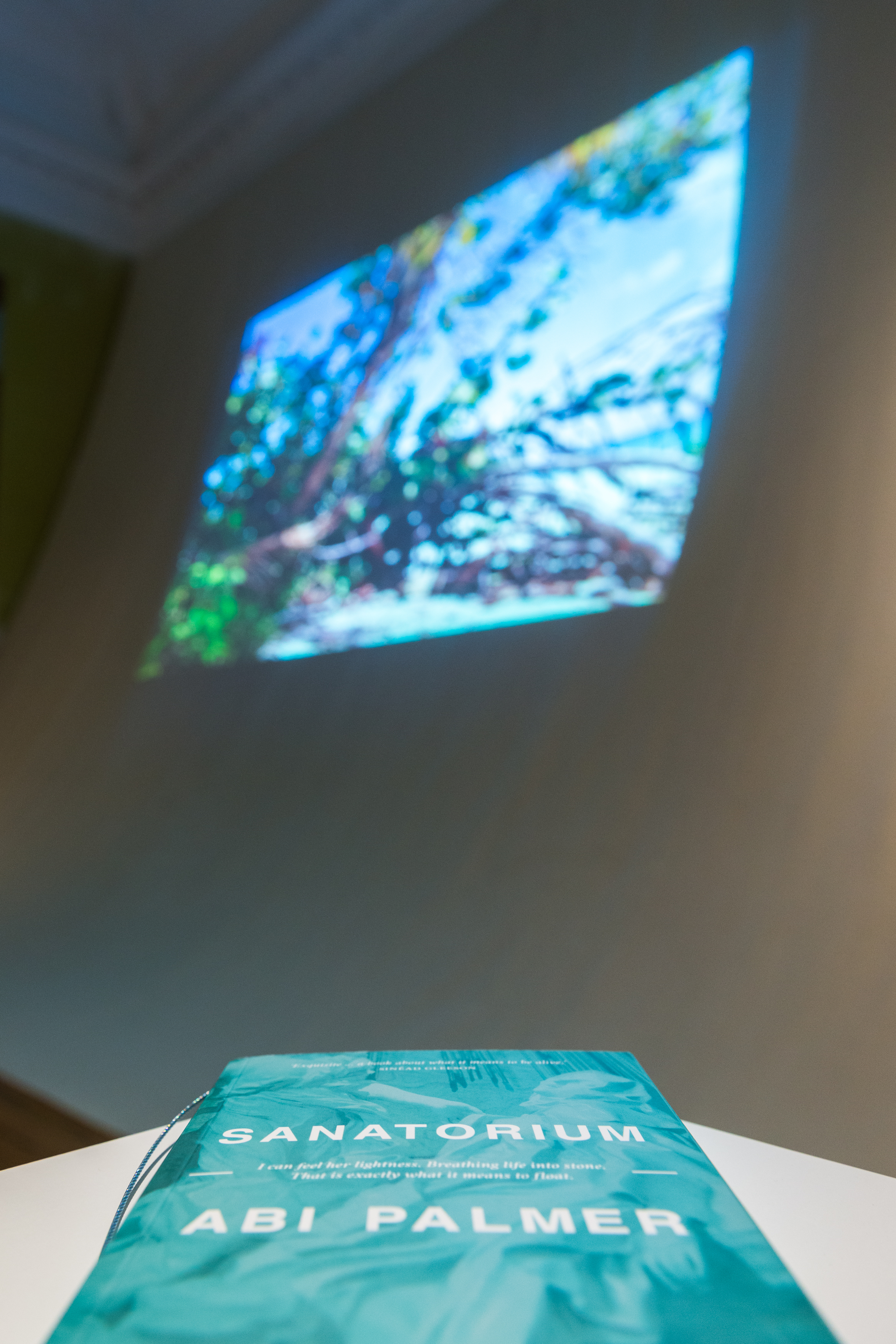
The disabled, queer poet Abi Palmer wrote large portions of her debut novel Sanatorium (2020) from her bathroom in a council flat in South London. Here, she welcomes the reader into the most intimate of spaces, discussing her experience with chronic illness, queerness and disability openly. We are taken on a journey between a series of spaces linked with her treatment, from a luxurious spa in Budapest, through an NHS ward in the outskirts of London, the home where she grew up, and to the bath where she is writing from. She lives with Ehler-Danlos Syndrome, a connective tissue disorder that makes her joints, skin and ligaments lose, and psoriatic arthritis, which cause autoimmune inflammation in her joints. Bathing makes her condition better; her muscles stronger and offers pain relief. Here, she reflects upon the way that stiffness and fluidity meet, the straight and the queer, pain and pleasure. As I meet Abi a few months after she launched her book with an online stream from her inflatable bathtub, I want to hear more. I want her to tell me about her bathroom.

On Being and Bathing is a collaborative project between myself and Palmer, where I engage with her work and writing through filmmaking. The collaboration was made possible with an i-Portunus Mobility Grant in 2019. The film has been screened at Barcelona Architecture Week 2021, Berlin Short Film Festival 2021, and the exhibition Chronic Conditions: Body and Building commissioned and organised by the Lisbon Architecture Triennale 12 October – 11 December 2021.

On Being and Bathing (2021, 09:45, 16mm) Anna Ulrikke Andersen with Abi Palmer.

Ubehandlet

a project by Anna Ulrikke Andersen and Anne Silje Bø.

Since 1976 the Norwegian government has sent rheumatic patients to Montenegro for climatic treatment at Institute Dr Simo Milosevic, JSC Igalo. The programme, run by Oslo University Hospital, has since expanded to include other locations in Southern Europe, and research shows that the treatment is highly successful in increasing mobility, and reducing chronic pain and fatigue. In 2020, all treatment abroad is cancelled, and the patients must stay at home.

“Ubehandlet” explores everyday experiences of patients living with rheumatic illness during the Covid-19 pandemic, with a focus on how lockdown measures affect their treatment. Andersen and Bø will interview a series of patients of Skype, and the recorded interviews will form the basis of a podcast episode, articles, and in its full length, are securely stored in the archive of the Norwegian Folkemuseum website minner.no. We are interested in the way people feel about not being able to travel for treatment, how their bodies are affected and how being at home makes them think about the southern sites where they previously so successfully have received relief from their chronic conditions.

A sound piece was edited and published through ROM forlag, Oslo. Sound design by Therese Næss Diesen.

The project is supported by Kulturrådet [The Norwegian Arts Council]

Institute Dr Simo Milosevic JSC Igalo. Photography by Anna Ulrikke Andersen 2018.

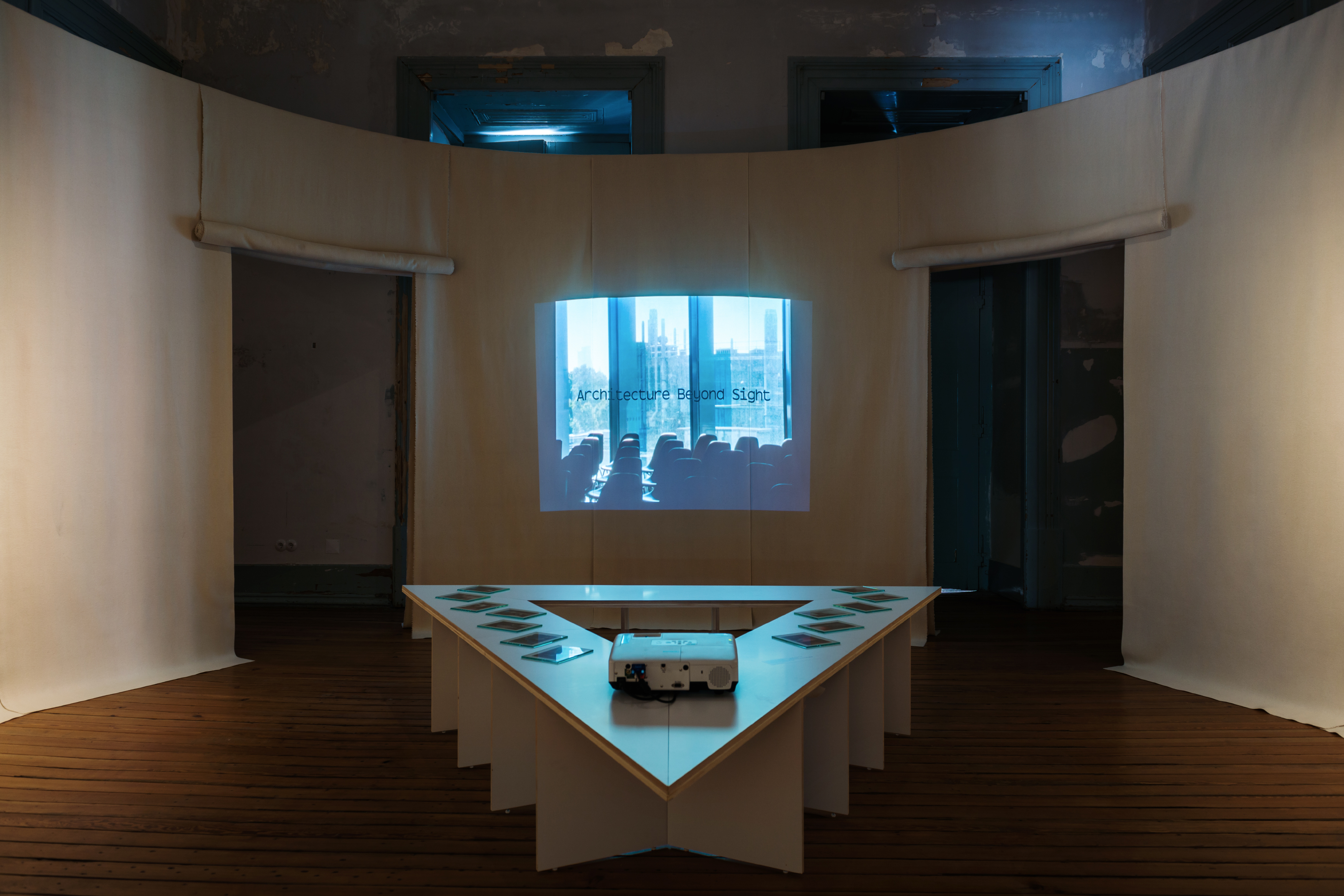
Architecture Beyond Sight

“Disability is such an essential part of life that we all go through. So we are living longer, we’re living with more disabilities. It’s a more common experience. Just given the nature of the human fragility, it’s just an inevitable and a natural part of life. It is almost life reaffirming because of that. And culturally we tend to think of it as something out of the ordinary. Something different, and something that is not right. It needs to be just heroically normal and a natural, inevitable part of life and society.” 

Chris Downey

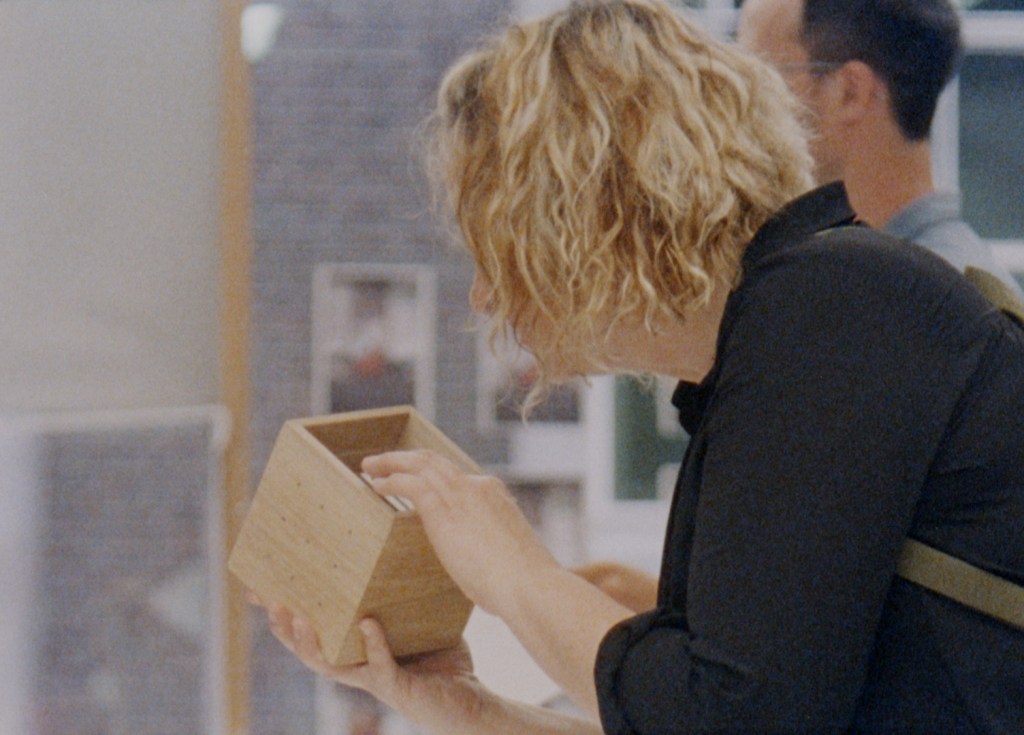
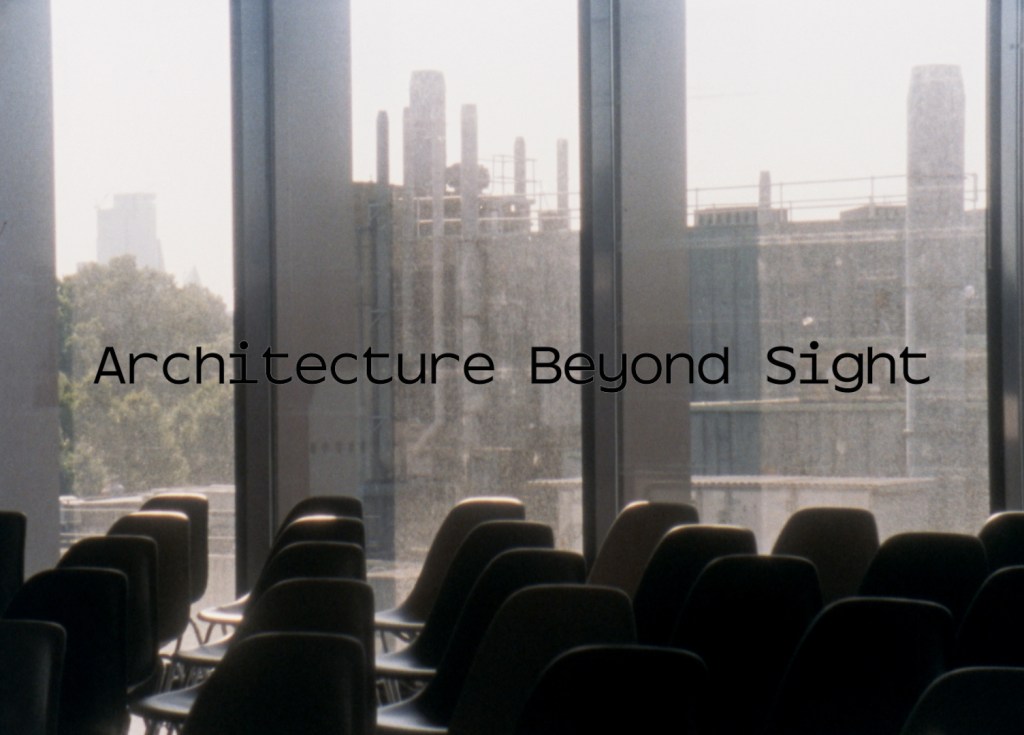
Architecture Beyond Sight (Andersen, 2019) follows Zoe Legg and Clarke Reynolds partaking on a study week for blind and visually impaired people at The Bartlett UCL, coordinated by The DisOrdinary Architecture Project. Investigating the two participant’s process of making, the film explores the non-visual aspects of architecture shot on 16mm film with sound recorded separately. By highlighting different ways that bringing visually impaired people into architecture and design could benefit the profession, the project is based on the assertion that to have a vision does not require sight. 

Made by Anna Ulrikke Andersen © 2019, 16mm, 17:17.

Featuring: Jos Boys, Chris Downey, Rachel Gadsden, James Green, Zoe Legg, Duncan Meerding, Mandy Redvers-Rowe, Clarke Reynolds, Dianne Theakstone and Rachel Thompson.

Transcript by Louise Fryer available upon request.

Produced by the DisOrdinary Architecture Project on behalf of The Bartlett UCL. UK.

Screenings: Arts Activated, Sydney, Australia, 22-23 August 2019. 

Back to An A to X of Chronic Illness