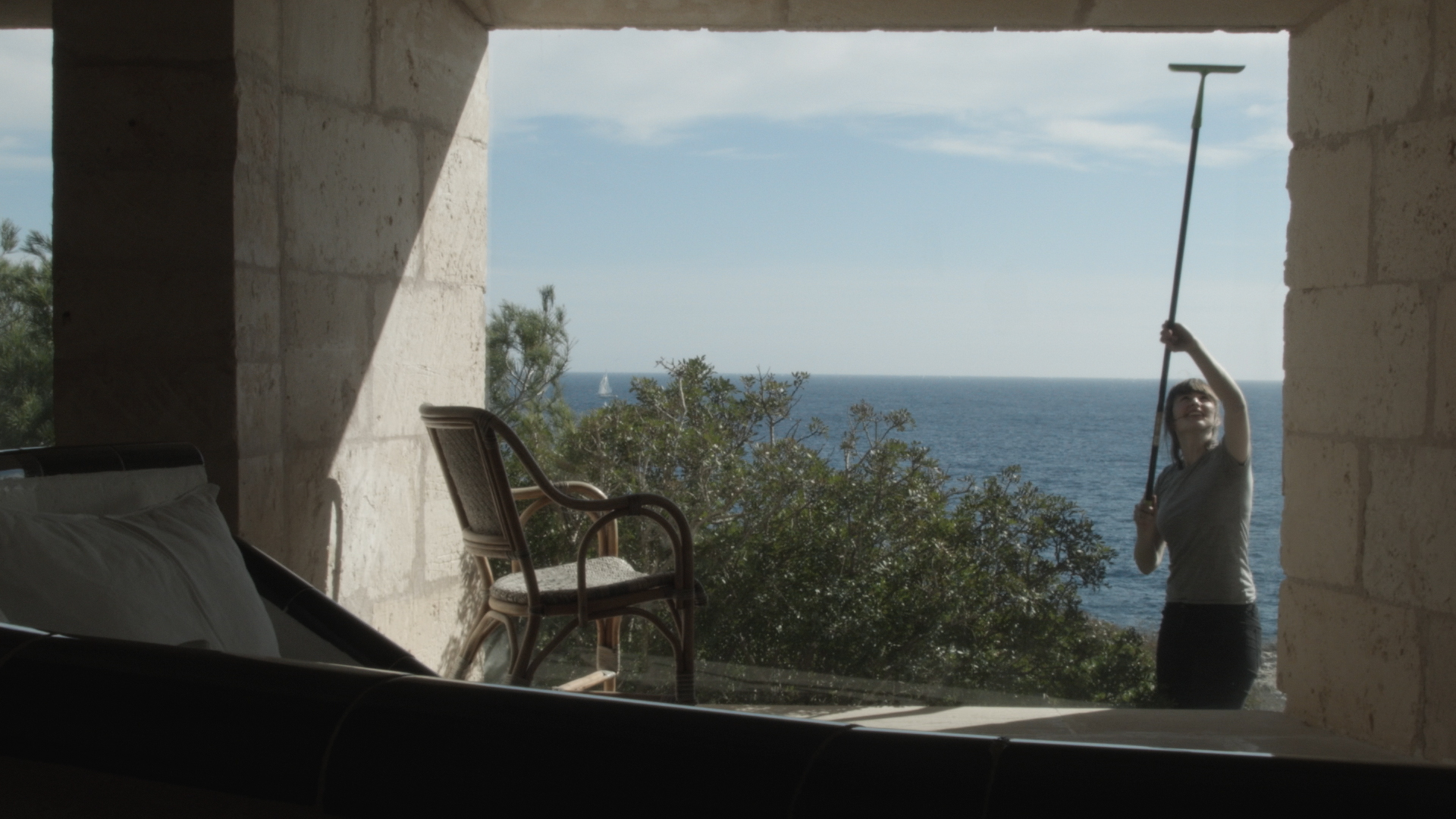
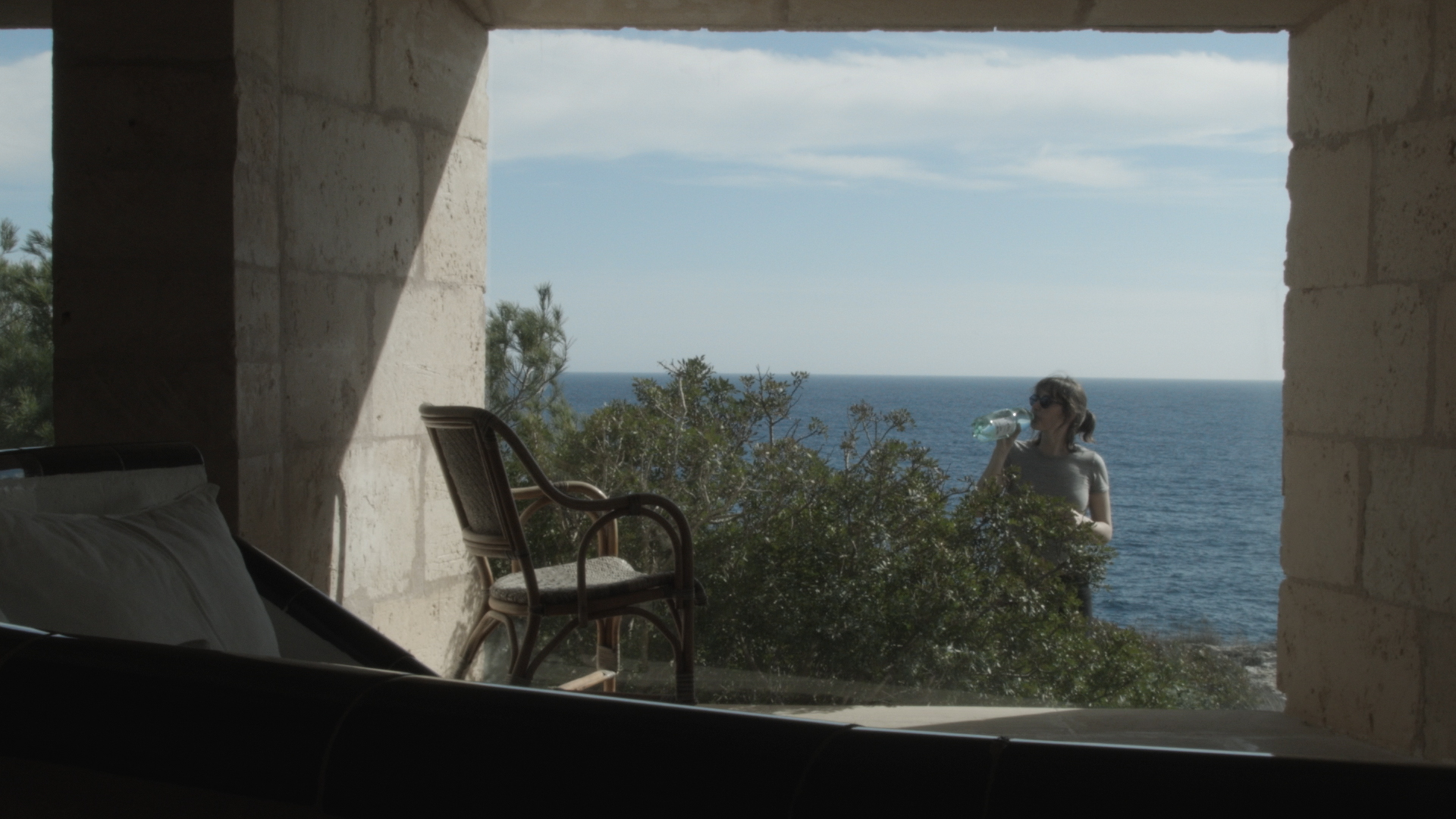
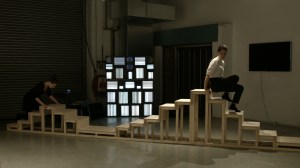
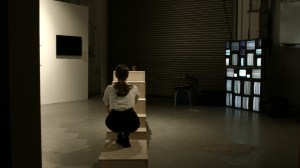
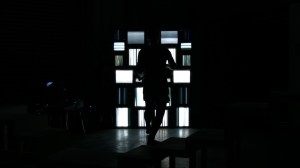
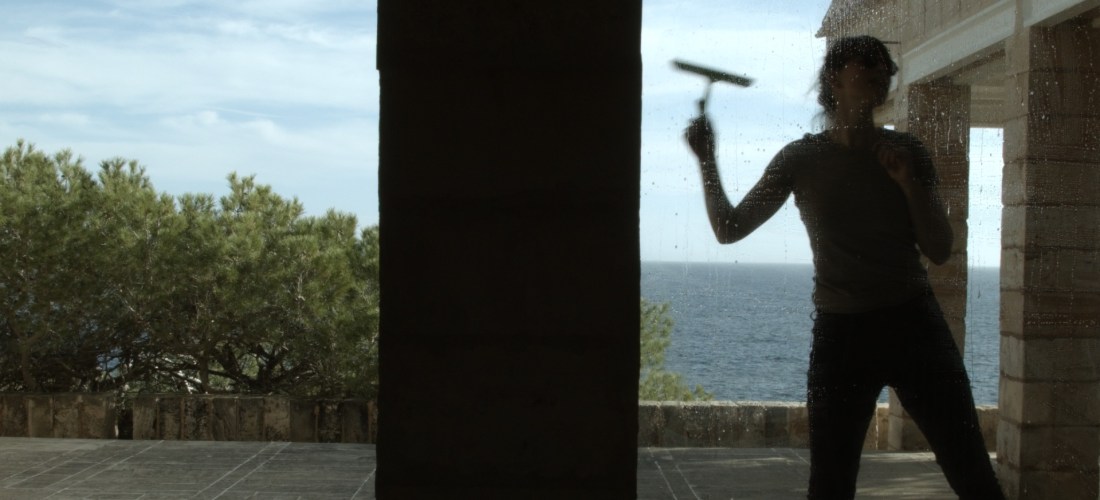
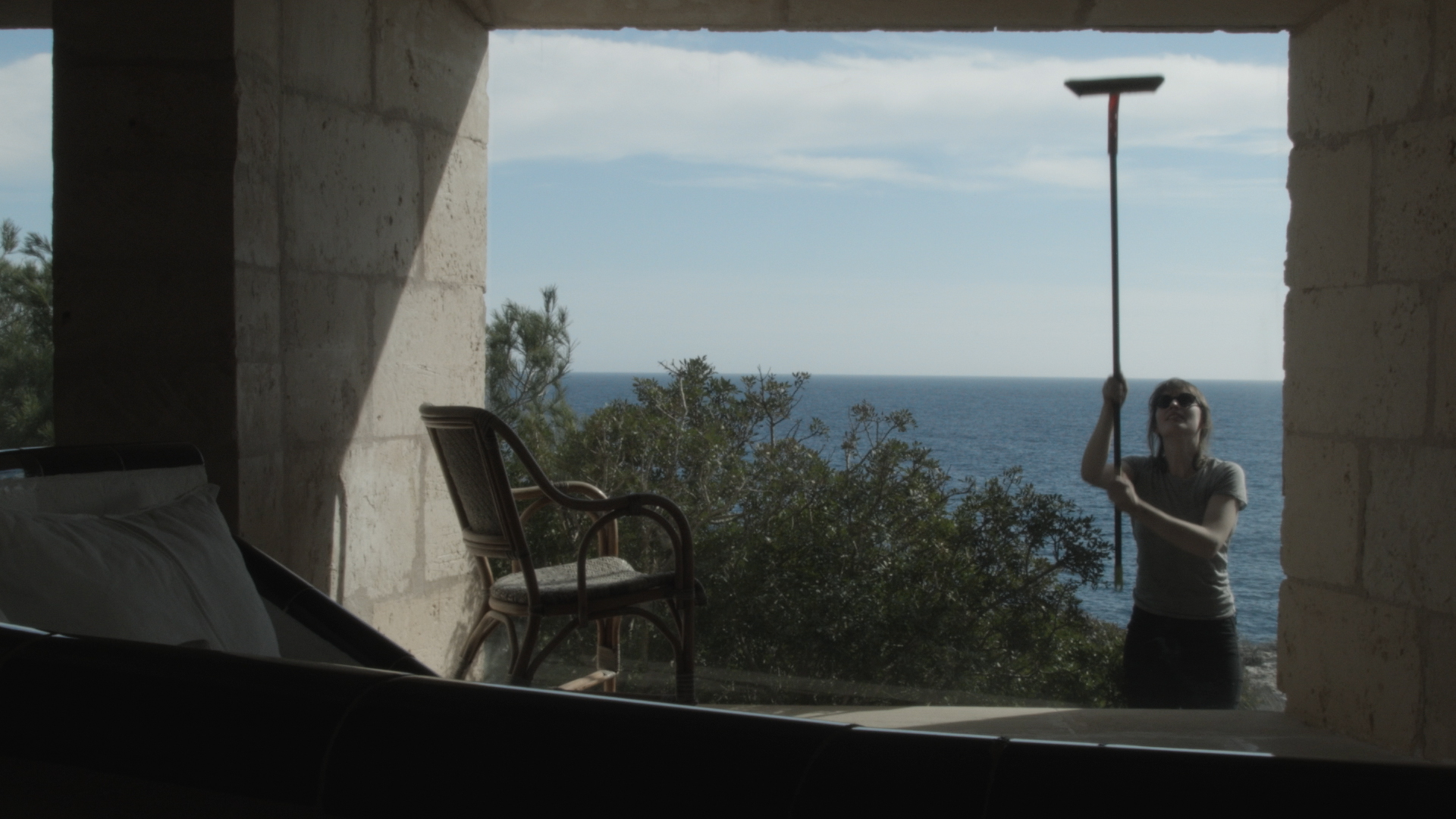
Cleaning at Utzon’s (2019)

Cleaning at Utzon’s, Anna Ulrikke Andersen (2019), HDV, 64:31.
Produced at the Harvard Film Study Center.

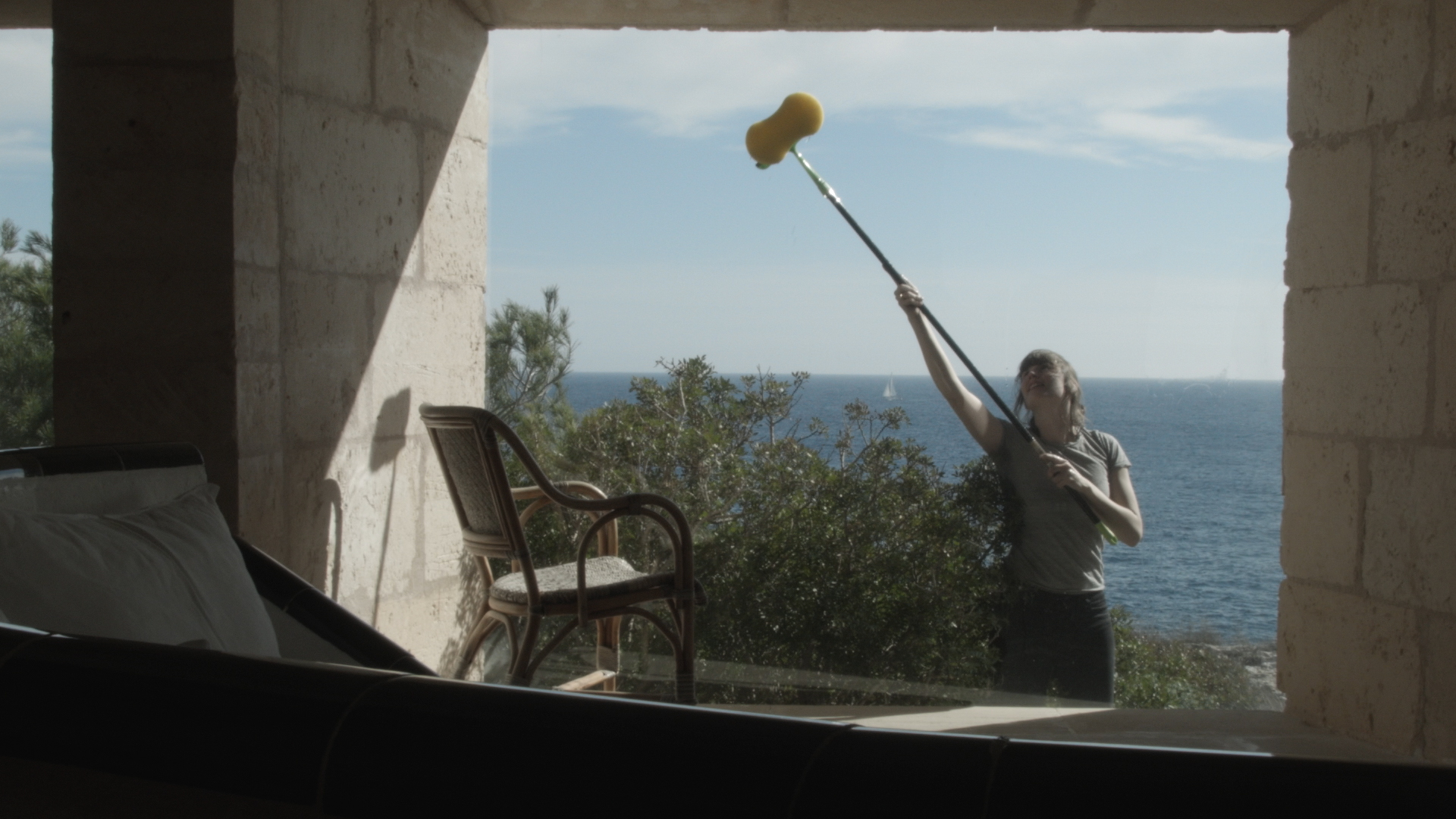
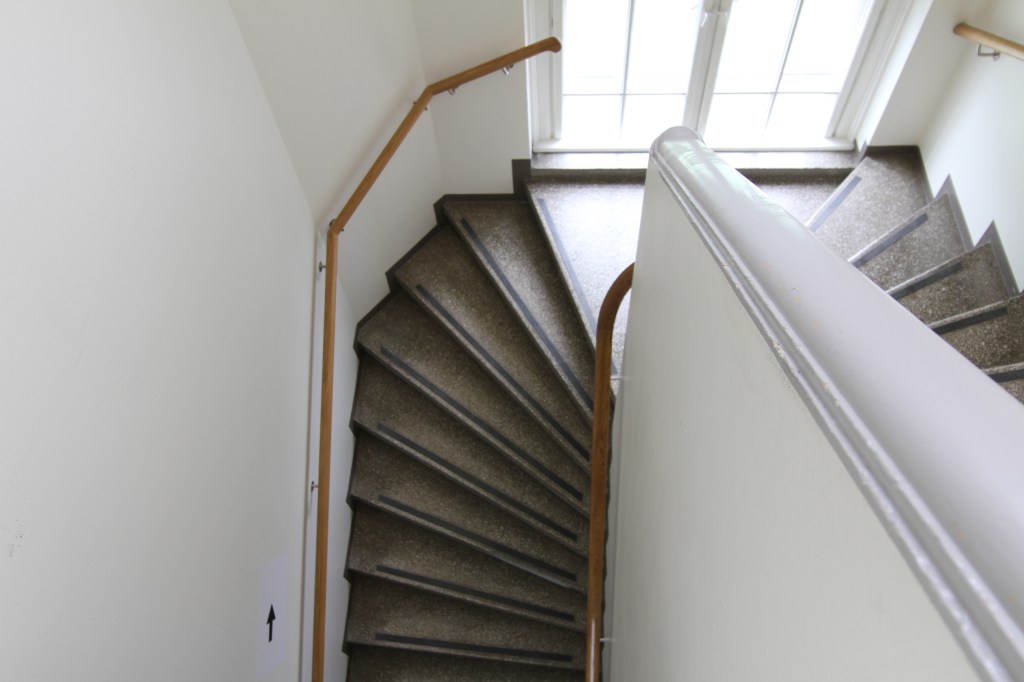
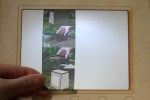
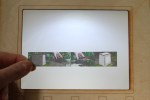
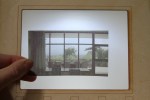
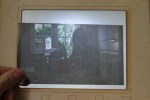
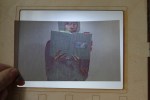
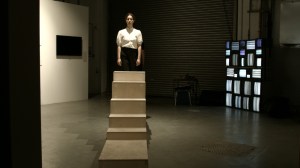
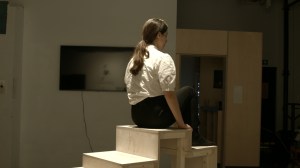
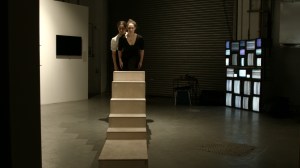
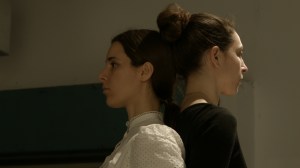
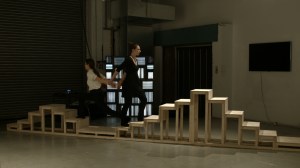
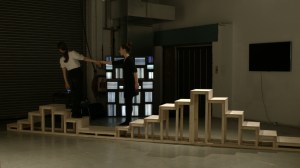
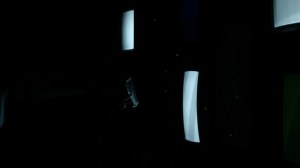
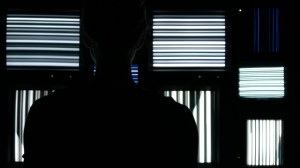
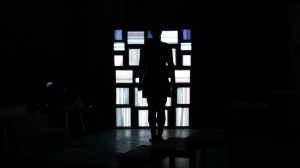
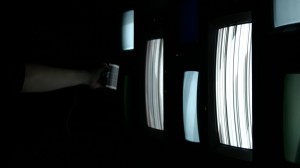
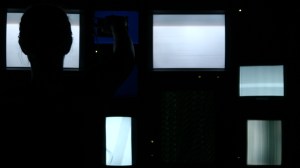
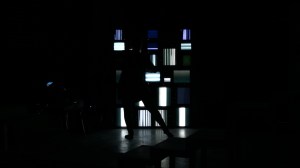
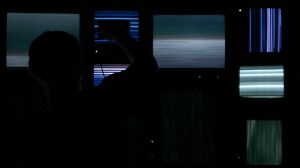
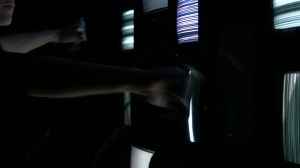
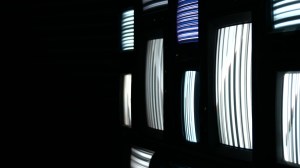
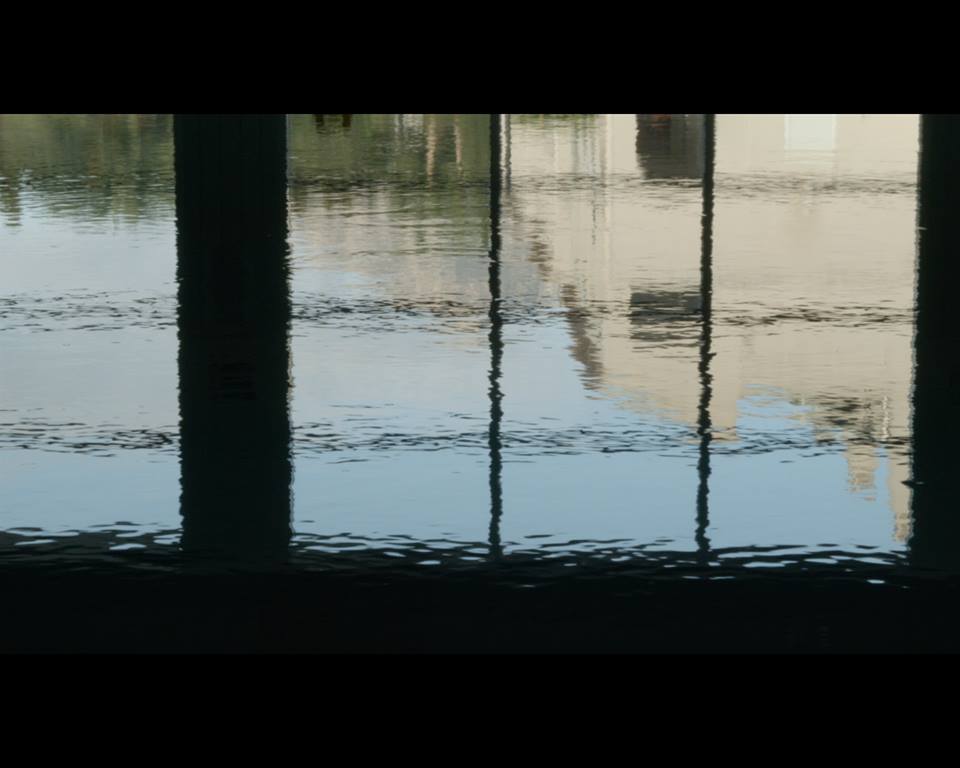
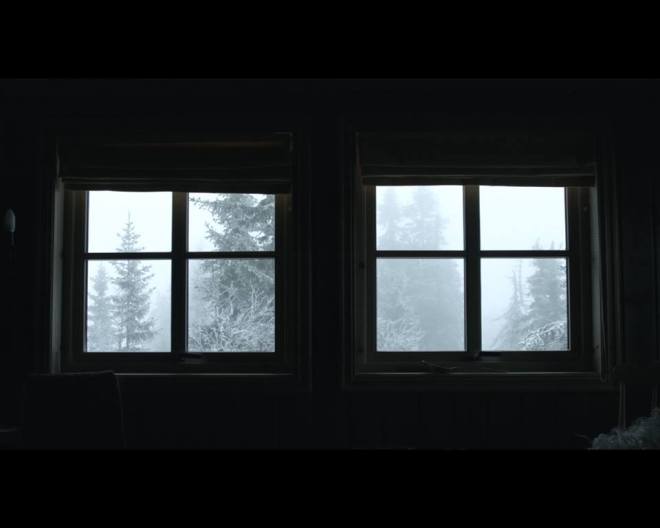
Cleaning at Utzon’s (2019) follows the process of cleaning the 13 large windows of Jørn Utzon’s villa Can Lis (1973). The film was shot during a four-week artist residency at Can Lis,  Majorca, supported by the Danish Arts Foundation and the Utzon Foundation. The film’s postproduction took place as part of a fellowship at Harvard Film Study Center.

Back to The Fenestral Essay Film

Calcata (2017)

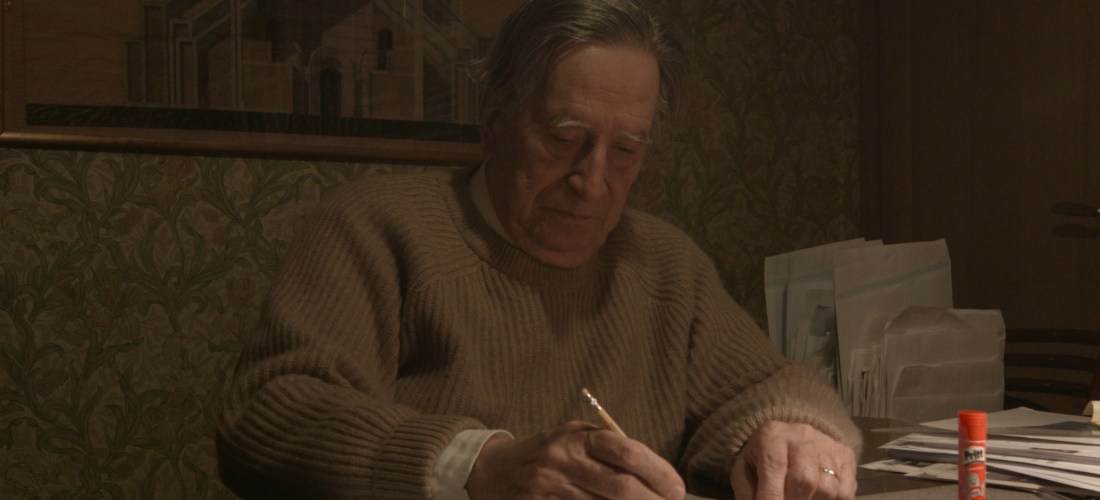
Calcata, Anna Ulrikke Andersen ( 2017) HDV, 12:00. Featuring Paolo Portoghesi. Language: English, Italian, German. Subtitles: English.

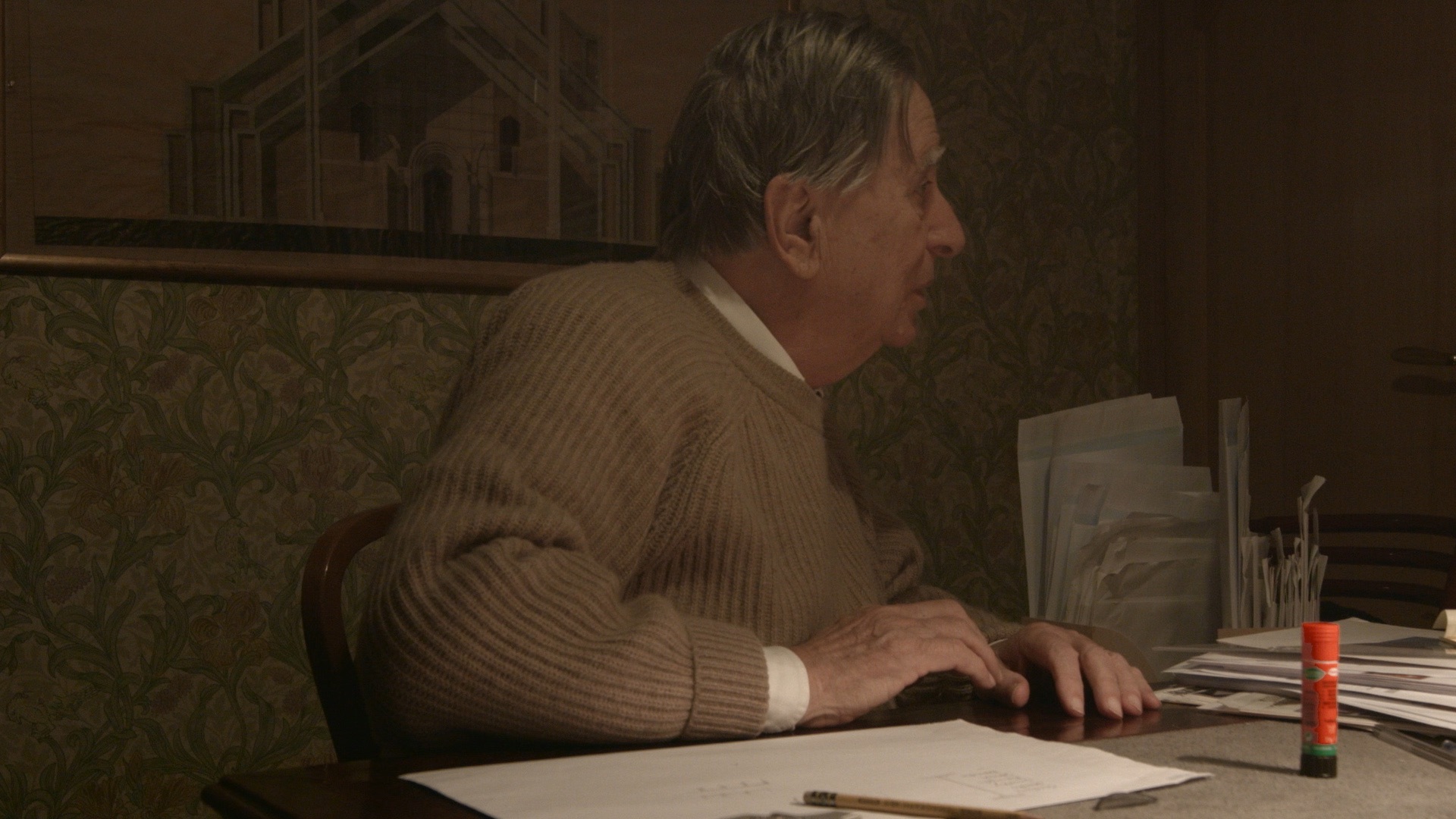
The Italian village Calcata is located in Lazio about an hour north of Rome. I travelled there in February 2016 to interview the then 85 year-old Italian architect Paolo Portoghesi, eager to learn more about his close friendship with the late, Norwegain architectural theorist Christian Norberg-Schulz, and their shared interest in architecture. Portoghesi politely answered my questions, and the interview lasted for about 50 minutes. As the interview was coming to an end, he suggested that we leave his office and go to his nearby home, so that he could show me some drawings and photographs.

The architectural historian in me was excited. Visiting his home would most likely reveal interesting things about his friendship with Norberg-Schulz. However, as a filmmaker, Portoghesi’s suggestion made me nervous. My camera was heavy and since I was alone, I would not be able to carry the equipment with me. I had to make a decision quickly. Instead of trying to bring the camera, I brought with me the sound recorder. The screen goes dark as I followed him into that dark February evening.

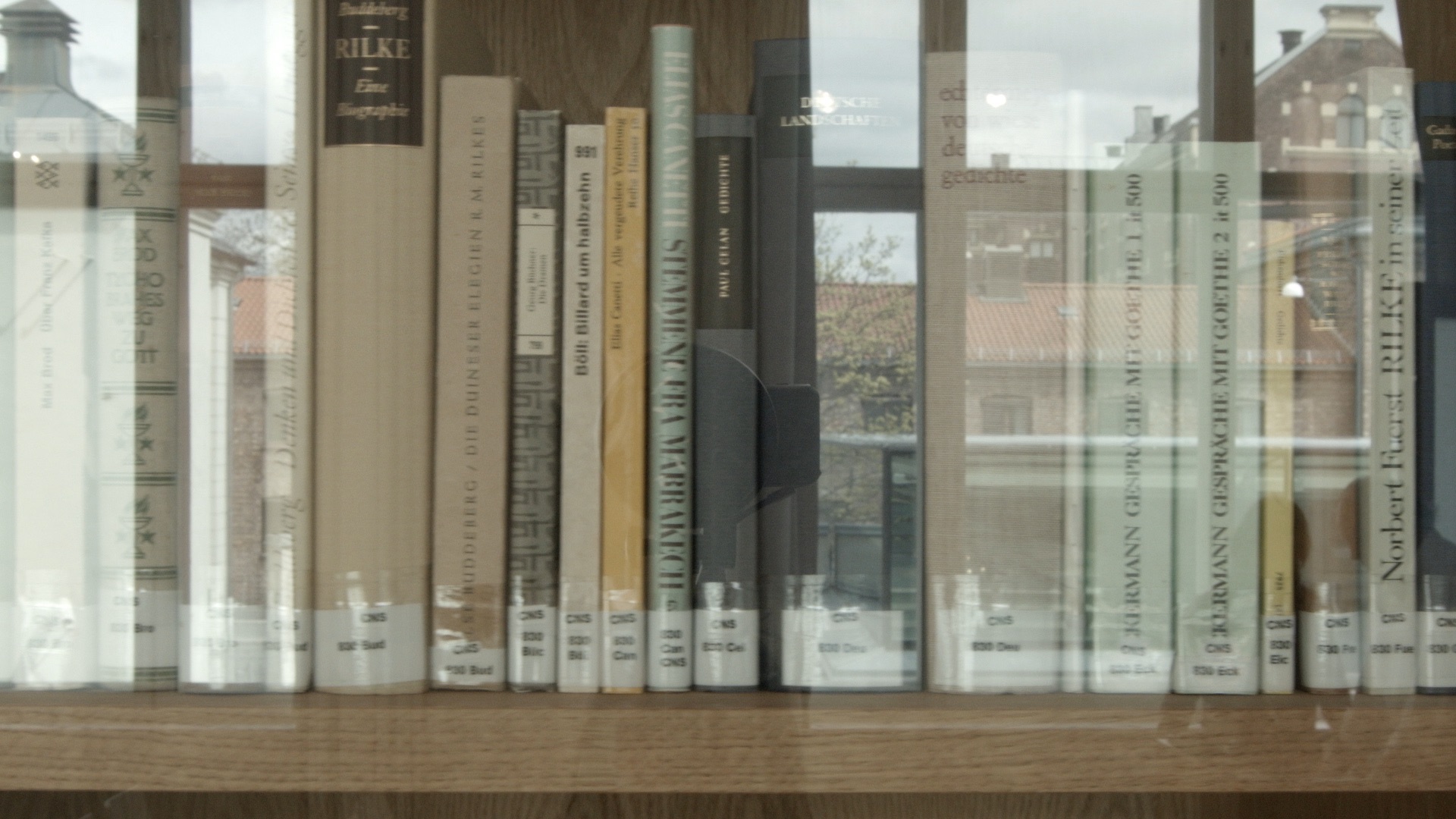
Timothy Corrigan claims that one of the defining features of the essay film genre, is subjectivity expressed through experiential encounters,[1] and I believe that the uncertainty I experienced as Portoghesi suggested we leave the comfort of the frame, prompted such an encounter. As a filmmaker, my full attention was now on the sound recorder, worrying about the quality and volume as we walked through these changing circumstances. I followed him from one building to another, encountering the people and animals inhabiting them. On tape, I captured a highly subjective experience of Portoghesi’s fantastical house: a place with dogs, original prints of rare books, photographs and unexpected conversations about forgotten, overlooked and undiscussed subjects (including his fascination of the poetry of Rainer Maria Rilke) took place.

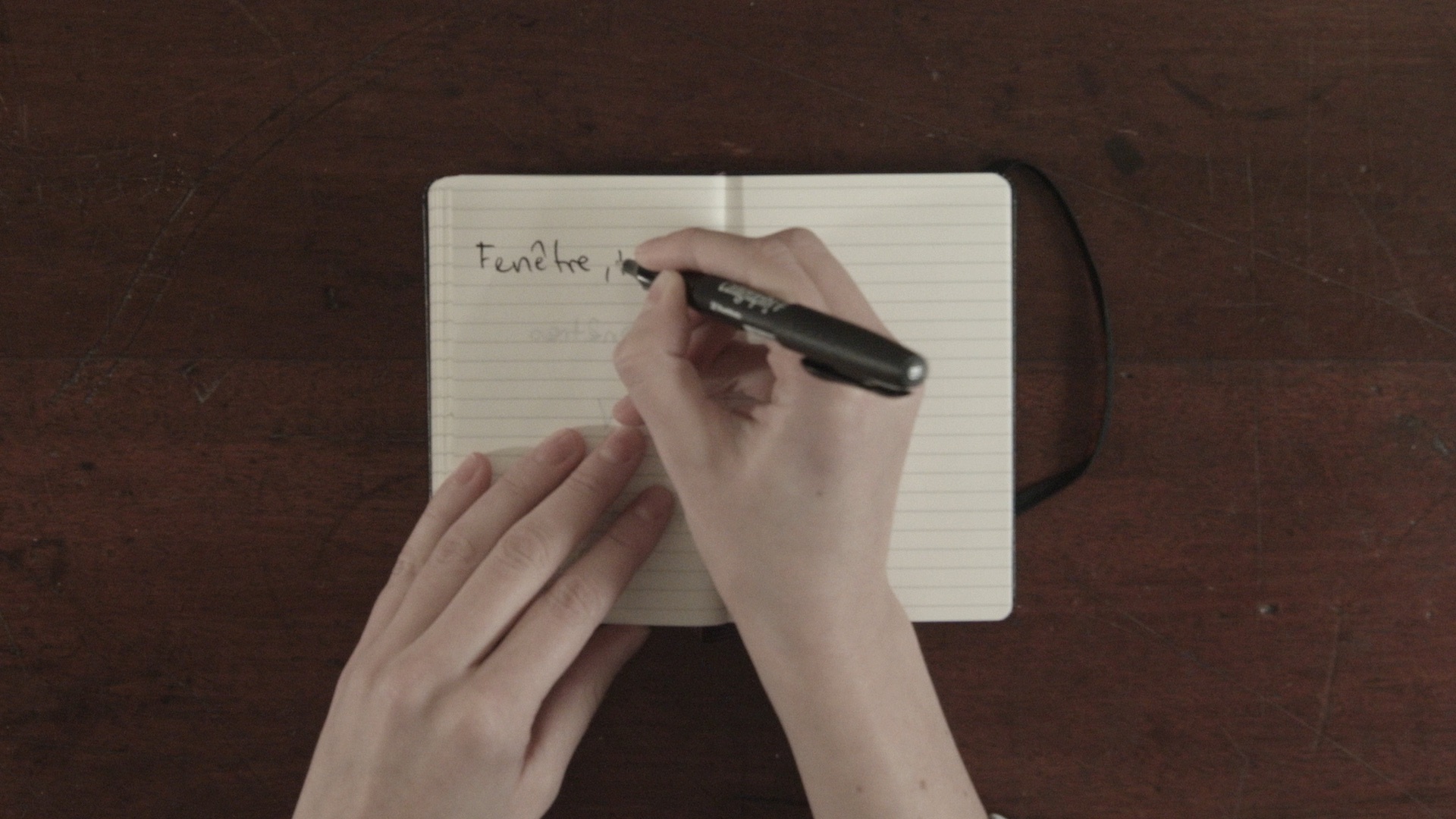
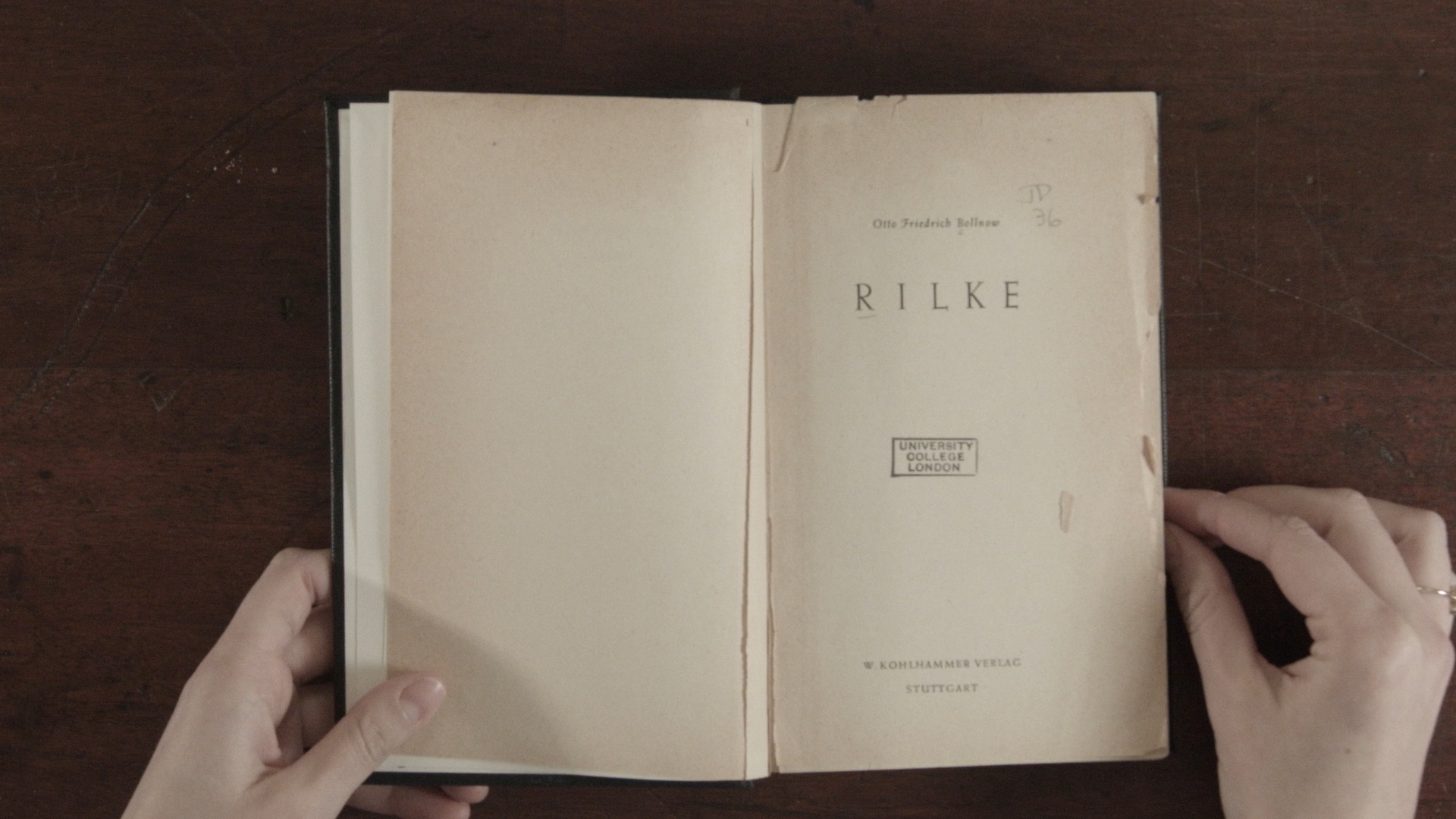
Just before the screen turns black, my hands are visible in to the left of the screen. My voice becomes part of the conversation. Taking up the role as both filmmaker and protagonist, I am flipping pages of a book, writing key words, or copying a poem in a foreign language. The lack of visual imagery prompted a film where what is seen, understood, communicated and heard remains unclear, enforced by the use of several languages: English, Italian, German and French. I make my voice more and more pronounced, culminating at the end of the film which repeats the beginning and my position as filmmaker is focused. I am the editor exploring Calcata and it’s spaces. I pick up on Penelope Haralambidou’s [2] suggestion that architectural essay films can construct memory as architecture, when I consider Portoghesi’s home in Calcata. We journey through the darkness, where fragments of his life and thoughts are make their way into conversation, or epitomised through published books and visual archival material.

In this way Portoghesi’s unforeseen suggestion to leave the camera behind, as a specific moment which happened in the making of the film Calcata, resulted in footage, techniques and editing drawn from the genre of the essay film. The result opens up new was to consider my engagement with the architectural history of the place and its people.
Paolo.00_00_24_05.Still003Paolo.00_00_44_23.Still004Paolo.00_05_20_10.Still007Paolo.00_07_28_13.Still001Paolo.00_12_09_02.Still008

[1] Timothy Corrigan, The Essay Film: From Montaigne After Maker (Oxford: Oxford University Press, 2011) 30.

[2] Penelope Haralambidou, “The Architectural Essay Film”, in Architectural Research Quarterly, 234 – 248, vol 19, no 3, 2016, 237.

Calcata (2017) premiered at the Essay Film Festival 2017 at Birkbeck University of London, as part of the session “The Making of an Architectural Essay Film”.

The project was realised with the kind support of:
Stenseth Grimsrud Arkitekter AS
The Bartlett Doctoral Research Projects Fund
The Norwegian Institute in Rome

Translation from Italian to English by Davide Spina

Thanks to:
Jane Rendell, Claire Thomson, Mikkel Due, Gregorio Astengo, Clara Jo, Léa-Catherine Szacka, Paolo Portoghesi, Maria Ercadi, Studio Portoghesi, The Bartlett Film+Place+Architecture Doctoral Network, Ole H. Gaudernack and The Norberg-Schulz Library, The Architectural Collections, The National Museum of Art Architecture and Design, Oslo.

Back to The Fenestral Essay Film
Journey to Italy (2016)

Journey to Italy, Anna Ulrikke Andersen (2016) HDV, 14:00

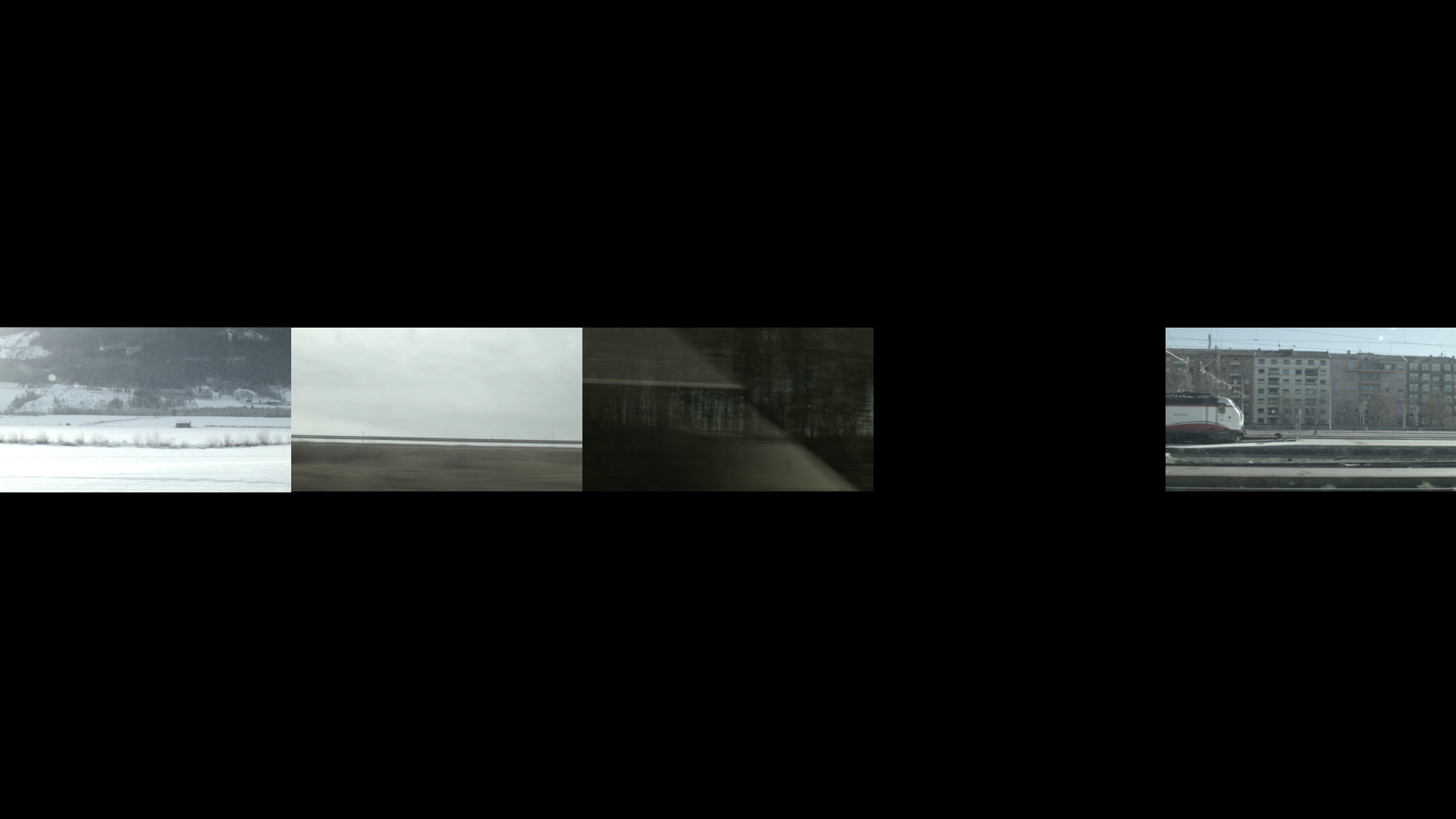
The film Journey to Italy (2016) springs from a five day train-journey taken between Norway and Italy in February 2016, following in the footsteps of the Norwegian architectural theorist Christian Norberg-Schulz (1926 – 2000). The film takes as a starting point his appearance in the film Livet finner sted (Life Takes Place, Helgesen, 1992, TV, NRK, 41:00); its opening scene depicting the aging theorist looking out the window of a train, recalling when he many years prior developed his theory of genius loci. The project considers the window of a train as a quite specific, and highly mobile, site where both thinking and life can take place. The lens constantly aimed towards west reinforces the theorist’s western focus, where use of MRI footage of the foot, uses alternative imaging technologies for alternative, even conflicting views of mobility and spatial orientation.

Journey to Italy 6Journey to Italy 7Journey to Italy 8Journey to Italy 3

The Bartlett PhD Projects Exhibition 2017

Journey to Italy (2016) was exhibited as part of Film | Making | Space at the Royal Academy of Arts Architecture, The Royal Society of Geography, 13. February 2017, and the PhD Projects at The Bartlett School of Architecture, UCL 21. February  – 7. March 2017. The film will also be screened at Harstad Kino, at the Arctic Moving Image and Film Festival, Harstad, Norway, 19 – 22 October 2017.

The project was realised with the kind support of:
Stenseth Grimsrud Arkitekter AS
The Bartlett Doctoral Research Projects Fund
The Norwegian Institute in Rome

Thanks to:
Jane Rendell, Claire Thomson, Mikkel Due.

Back to The Fenestral Essay Film
The Death of the Chemist (2016)

This project consists of the following parts: 

The Death of the Chemist, film, by Anna Ulrikke Andersen (2016), HDV, 13:00. Language: Norwegian. Subtitles: English.  

The Death of the Chemist, installation, Gamle Kjemi, Gløshaugen, NTNU, 23 – 26 May 2016. 

The Death of the Chemist, lecture, Kunstarken Trondheim Academy of Fine Arts/NTNU, 23 May 2016. 

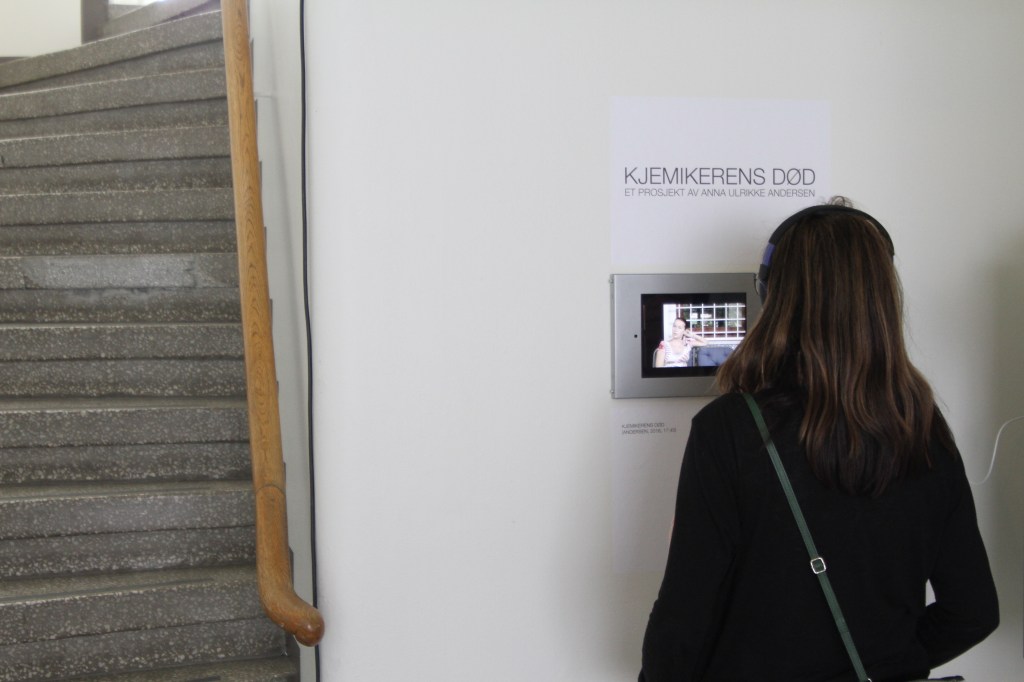
Christian Norberg-Schulz never met his father, who died falling through a window months before the birth of his child. This film, installation and lecture, engage with the story about Norberg-Schulz’s father’s death when he was working as a chemist at the Norwegian Technical University in Trondheim.  90 years after the tragic accident, I visit the building with caretakers Stig Pallesen and Raymond Sterten. Shot with a Blackmagic Cinema Camera, the footage is of the building Gamle Kjemi, NTNU (1910), played back in 50% of normal speed. The sound, recorded with two wireless Philips Radio-Microphones connected to a Zoom H4n Recorder, captures the conversation between myself and the caretakers exploring the buidlings and archival material. Sound and image is separated throughout the film.

An integral part of my PhD thesis, this ‘fenestral essay film’ and the installation are example of how I engage with sites, histories and archives through filmmaking, as I try to find the exact location where a chemist died, falling through a window, in 1926. I later return to the building with a finished film and install the film in the space where I believe the accident took place. With the installation, I brought film into architecture, making an impact on the building and the people who use the building on a daily basis. 

The installation took place at the Norwegian University of Science and Technology (NTNU) Trondheim, 23 – 26 May 2016. The film was screened as part of a lecture I gave at the Trondheim Academy of Fine Arts / Kunstarken 23 May 2016.

The project is realised with the kind support of:
Stenseth Grimsrud Arkitekter AS
The Norwegian Institute in Rome
The Municipality of Trondheim
The Bartlett Doctoral Reserach Project Fund

In collaboration with Kunstakademiet Trondheim/NTNU.

Back to The Fenestral Essay Film
Windows (2015)

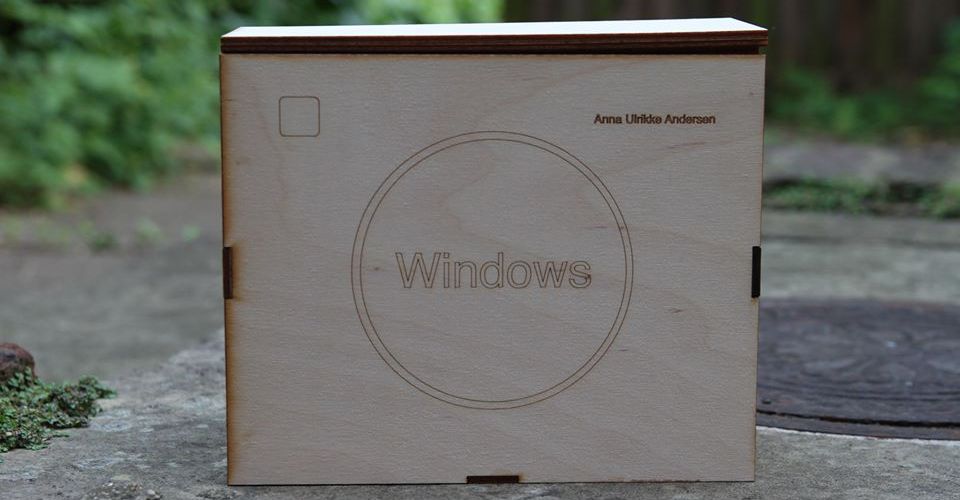
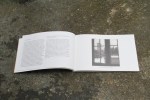
As part of the PhD in Architectural Design at The Bartlett School of Architecture, UCL, candidates must complete a MPhil degree and upgrade to PhD status. My submission consisted of a box, a booklet, and a DVD containing a selection of short films, together meeting the formal requirements of upgrade. These elements are interwoven, and should not be looked at separately. The experience of moving back and forth between the different mediums – design, text and film – is therefore an important part of the reading experience.

My upgrade submission is a practice-led project. I intend for my research questions and initial results to be addressed not only through the words I write, but also in how and where these words or ideas are expressed. In designing my submission, I have turned to Anne Friedberg and her argument that the window is both an architectural element, but also a frequently-used metaphor; she argues that the window appears in language, and could be used to describe screens and projections (Friedberg: 2006). I also embrace Lutz Koepnick’s claim that the window is a membrane where all these various uses and meanings, ranging from architecture to cinema and language, intermingle (Koepnick: 2007).How could my submission reflect the window as a multifaceted concept not only with written words, but also through design?

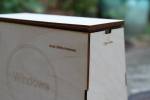
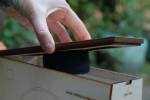
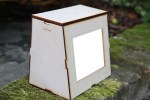
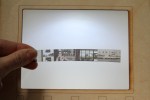
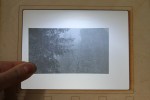
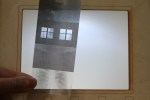
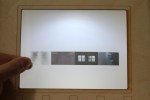
The design of the box itself is based upon my Blackmagic Design Cinema Camera. I have translated the camera into a hollow box made from Finish Birch and translucent Perspex, laser cut and glued together. In doing so, the many windows of filmmaking (specifically lens, screen and projection), acquire different properties, meanings and uses.

1) The lens is replaced with the word window, suggesting interplay between word and object

2) The screen at the back of the camera is replaced by an opening in the wood, which functions as a light box.

3) The potential of projection lies within the box: as a DVD

4) The transparent sheets within the booklet that could be read using the light box, offer another way of reading/viewing.

Does this camera-box allow for many different kinds of windows to overlap/intersect, underscoring the window as a multifaceted concept? What happens in overlap/translation of meaning between different media?

With this work I aim to clarify and define the scope of my research, and to pose questions and queries to be answered and addressed over the next few years. This submission provides an outline of the different ways in which I aim to discuss and communicate my research, various ways in which academic research and creative practice can inform each other, balancing creativity with the more formal requirements of the doctoral thesis.

Back to The Fenestral Essay Film

The Norwegian Institute in Rome (2016)

The Norwegian Institute in Rome, Anna Urikke Andersen (2016), HDV, 19:00. Featuring Else L’Orange. Language: Norwegian. Subtitles: English. 

The extension and renovations of the Norwegian Institute in Rome (1962) stands as Christian Norberg-Schulz’s final and southern-most architectural design project. This film unravels the history of the building springing from a visit to the Norwegian Institute in Rome with Else L’Orange, whose father co-founded the institute. A long shot of the roof terrace of the Insitute is shot with a Blackmagic Cinema Camera, edited next to archival material of plans of the building. The sound is recorded with two Philips Radio-Microphones, capturing the conversation between L’Orange and myself. Sound and image are separated, until we move into the frame of the roof-terrace and sound and image are united.

This project was realised with the kind support from
Stenseth Grimsrud Arkitekter AS
The Norwegian Institute in Rome
The Bartlett Doctoral Research Projects Fund

Back to The Fenestral Essay Film
The Window and I (2015)

The Window and I, Anna Ulrikke Andersen (2015), HDV, 03:00.

The Window and I (2015) is a self-portrait investigating how the sets of windows filter air, light and view, and affect the body. Filmed in London, UK, Alfaz Dei Pi, Spain and Budor, Norway, the work is a commentary and critique of Christian Norberg-Schulz’s tendency to generalise experience, replacing his use of WE with the I. Alternative views and frames are created with digital film,  X-ray, moving from exterior through interior and eventually into the body.

The Window and I by Anna Ulrikke Andersen.

The Window and I by Anna Ulrikke Andersen The window and I by Anna Ulrikke Andersen
11025805_10153045999271578_478136832384421646_n


11058632_10153045999286578_1734908787342848090_n

The Window and II by Anna Ulrikke Andersen

The film was screened at the Materialist Ecological Architecture seminar at The Bartlett School of Arcitecture, UCL 11.03.2015; at the Nordic Geographers Meeting 2015 Conference at the University of Tallinn and Tartu, Estonia, 16.06.2015; and at Universidad Piloto de Colombia, Bogota 31.08.2018.  It was exhibited as part of of the exhibition “Film as Resonance” with the Bartlett Film+Place+Architecture Doctoral Network at Architecture Film Festival London 2017.

Back to The Fenestral Essay Film

Translation Transposition Translocation

Translation Transposition Translocation: The Development of a Phenomenology of Architecture by Christian Norberg-Schulz, 1973 – 1980.

The title Translation Transposition Translocation derives from an until now unknown, single page document written by architectural theoretician Christian Norberg-Schulz in 1979. By interpreting this document through a step by step analysis uncovering his references, this report aims at allowing new aspects of Norberg-Schulz’s theoretical formation to be brought to light. A particular focus is on the period from his research-related stay in Rome 1973-74 until the publication of his landmark treatise Genius Loci: Towards a Phenomenology of Architecture in 1980. This development of a phenomenology of architecture is seen in relation to the reality of his life; a polyglot and frequent international traveller, translation and translocation was an integral part of his every day. A journey through this document invites a broader theoretical framework and discourse of architectural history including Vitruvius, Gottfried Semper, George Steiner, Rosi Braidotti, Walter Benjamin, Martin Heidegger, Jorge Otero-Pailos and the wider field of translation studies. Norberg-Schulz’s conception of Norwegian Architecture, specifically adapted to Norwegian conditions are also key. This enquiry is based on archival research; in particular exploring the Christian Norberg-Schulz Archive, but also The NRK Archive (The Archive of the Norwegian Broadcasting Collaboration), Oslo, has led to pivotal discoveries. Close sustained reading of the multiple texts Norberg-Schulz wrote in the period has been key in investigating the multilingual process of publishing, writing and translating Genius Loci. Additionally, several people who knew and worked with Norberg-Schulz has been interviewed and this oral history has filled the gaps of existing biographical literature.

Read the MA report here: Translation Transposition Translocation Anna Ulrikke Andersen


The Spirit of the [Natural] Place

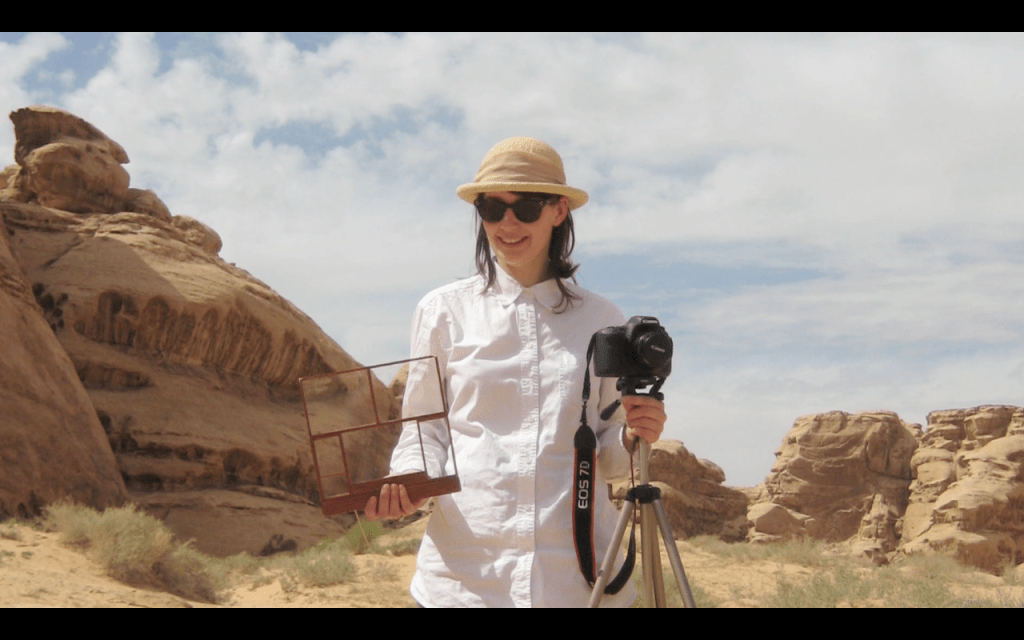
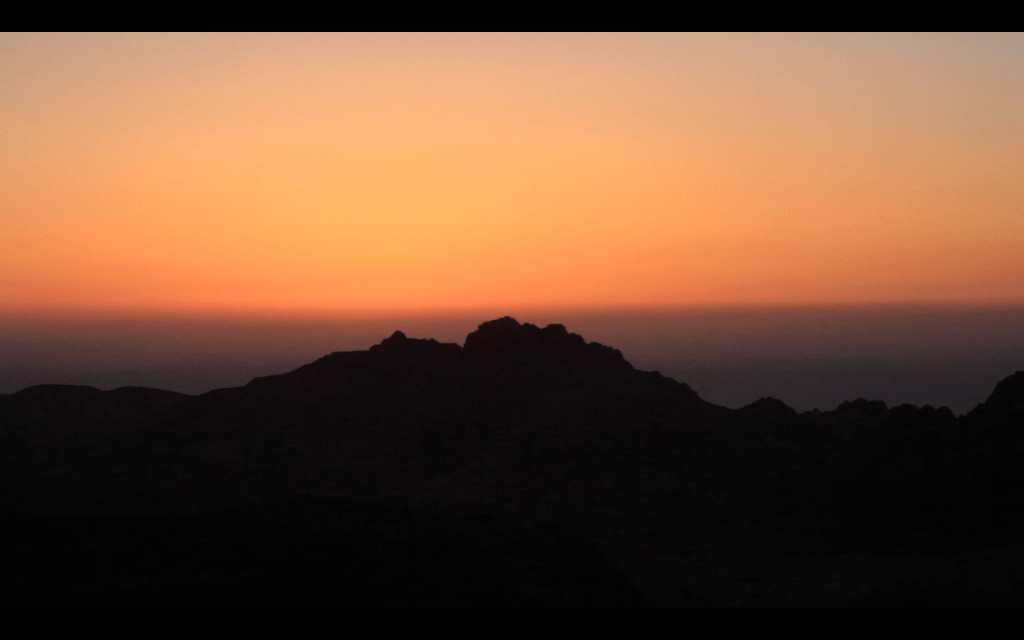
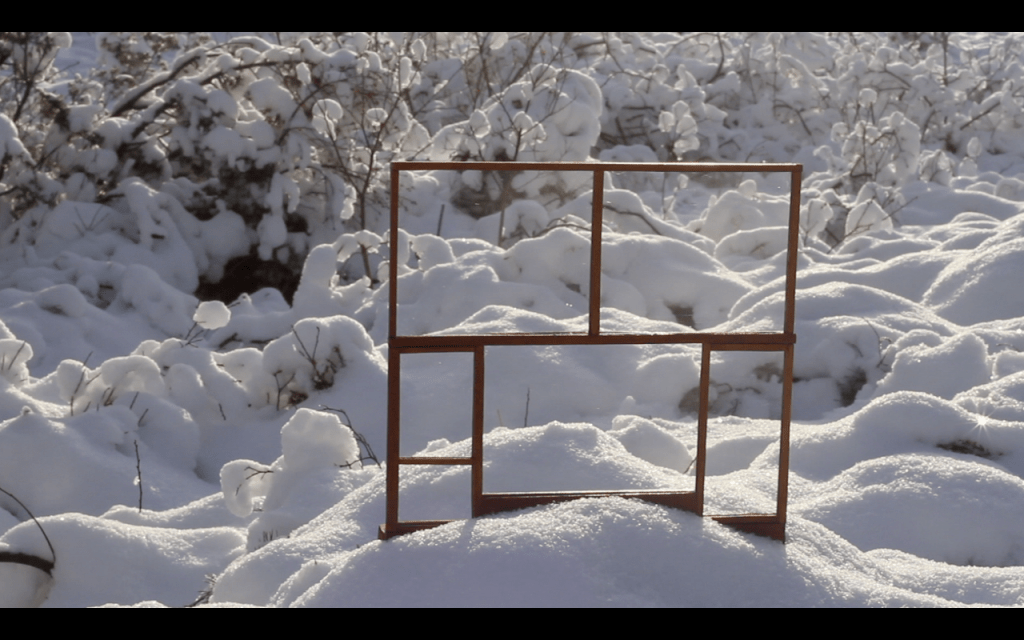
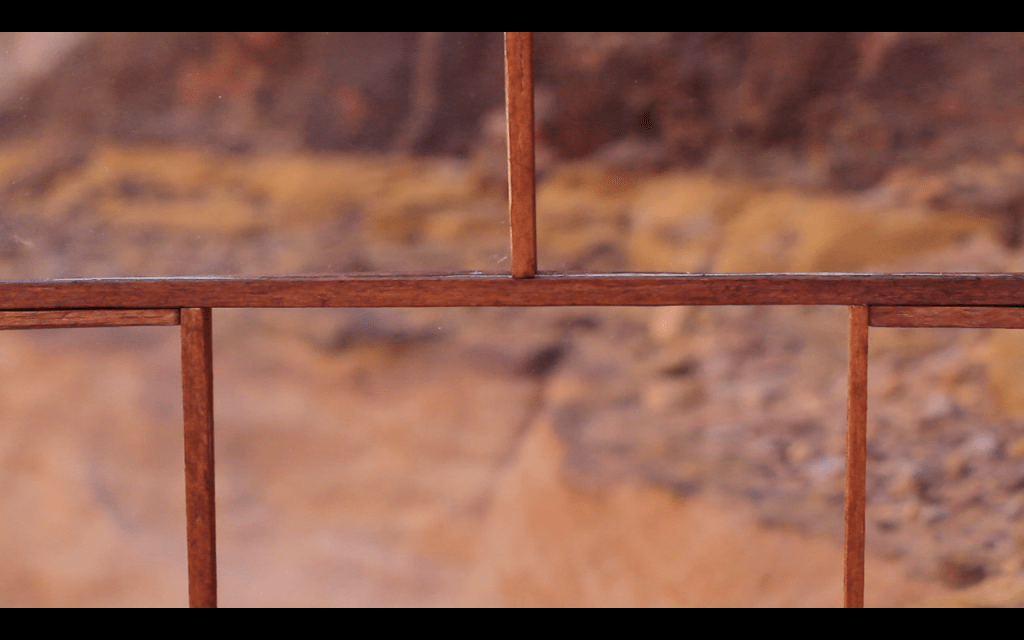
Based on a chapter in Christian Norberg-Schulz’ Genius Loci: Towards a phenomenology of Architecture (1980) this film questions his categories of natural landscape by juxtaposing images from romantic (Norway) and cosmic (Jordan) landscape. This is not a confrontational critique and the language in the film is Norberg-Schulz’ own. However, certain disturbing elements are concealed within the (spatial) texture. Minor and major adjustments of Norberg-Schulz’s original material (as the addition of a model – window, constructed and displaced) creates ambiguity within a dynamic network of focalizer and focalized.
The film was screened as part of the Site-Writing/Site-Reading Exhibtion at Cities Methodologies, 2013
A second video was recorded as a commentary. Here I discuss my choices, methodology and treatment and use of theory.

Filming in Wadi Rum, Jordan, April 2013. The Spirit of the [Natural] Place.
Norway, Halden. The Spirit of the [Natural] Place.
The Window. The Spirit of the [Natural] Place.

The project received financial support from Halden Kommune.
Back to The Fenestral Essay Film